In the realm of industrial automation and control systems, proximity sensors are indispensable components for non-contact object detection. Among the various output configurations, the 3-wire PNP (Positive-Negative-Positive) proximity sensor stands out for its widespread use, particularly in regions following European and Asian electrical standards. This article delves into the fundamentals, wiring, operation, and practical considerations of PNP 3-wire inductive proximity sensors, a common type for metallic target detection.
At its core, a 3-wire proximity sensor integrates three distinct connections: a positive supply voltage wire (typically brown), a negative or ground wire (typically blue), and a signal output wire (typically black). The "PNP" designation refers to the type of transistor used in the sensor's output switching circuit. In a PNP configuration, the output transistor switches the positive supply voltage to the load. When the sensor is inactive (no target present), the output signal line is effectively disconnected from the positive supply (open circuit). Upon detecting a valid target within its sensing range, the internal PNP transistor switches on, connecting the output signal wire to the positive supply voltage. This action provides a "high" signal or positive voltage to the connected load, such as a programmable logic controller (PLC) input, relay, or indicator lamp.
The standard wiring procedure for a DC-powered PNP 3-wire sensor is straightforward. The brown wire connects to the positive terminal of the DC power supply (commonly +24V DC in industrial settings). The blue wire connects to the negative terminal or 0V of the same DC power supply, establishing the common ground. The black output wire is connected to one side of the load device. The other side of the load is then connected back to the negative/0V supply line. This forms a complete circuit where the sensor acts as a switching source for the positive voltage. It is crucial to verify the sensor's datasheet for voltage ratings and ensure correct polarity to prevent damage.
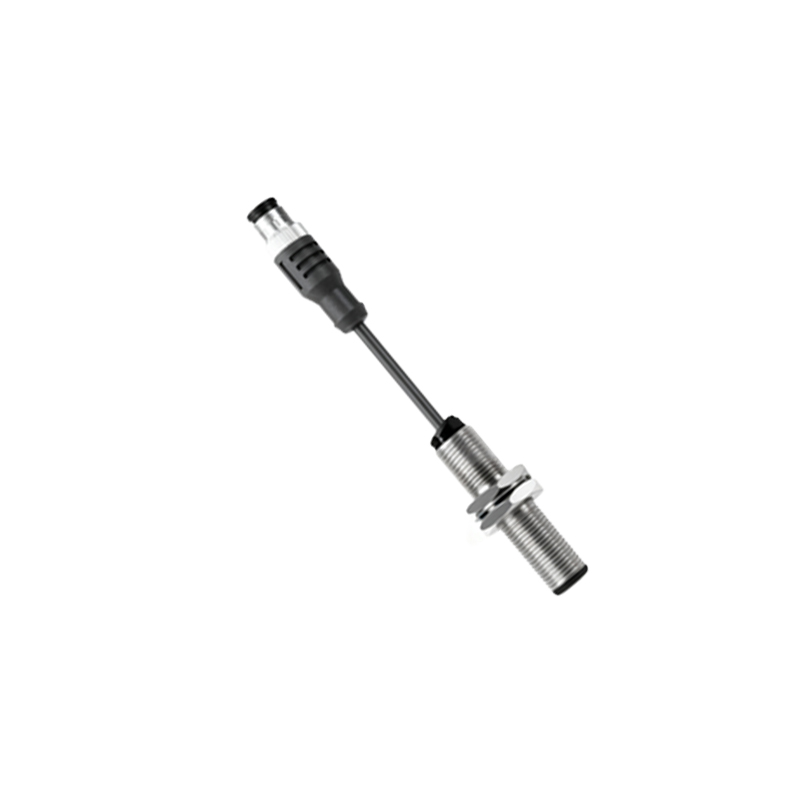
Understanding the difference between PNP and its counterpart, NPN (Negative-Positive-Negative), is critical for system compatibility. While a PNP sensor sources current to the load, an NPN sensor sinks current, meaning it provides a path to ground for the load. The choice between PNP and NPN often depends on the input configuration of the controller. Many modern PLCs are designed to accept both types by allowing the user to configure the common terminal as either positive or negative (sourcing vs. sinking input modules). A simple way to remember is: PNP = Positive Switching, Output is Positive when active.
Key operational characteristics define a sensor's performance. The sensing distance, or nominal range (Sn), is specified for a standard target material, usually mild steel. Factors like target size, shape, and material (e.g., aluminum, copper, stainless steel) can reduce the effective sensing distance. Hysteresis is the difference between the switch-on and switch-off points, which prevents output chatter when a target is at the edge of the sensing range. Response frequency indicates how quickly the sensor can detect objects passing by, a vital parameter for high-speed counting applications. Additionally, many sensors feature built-in LED indicators for power and output status, aiding in installation and troubleshooting.
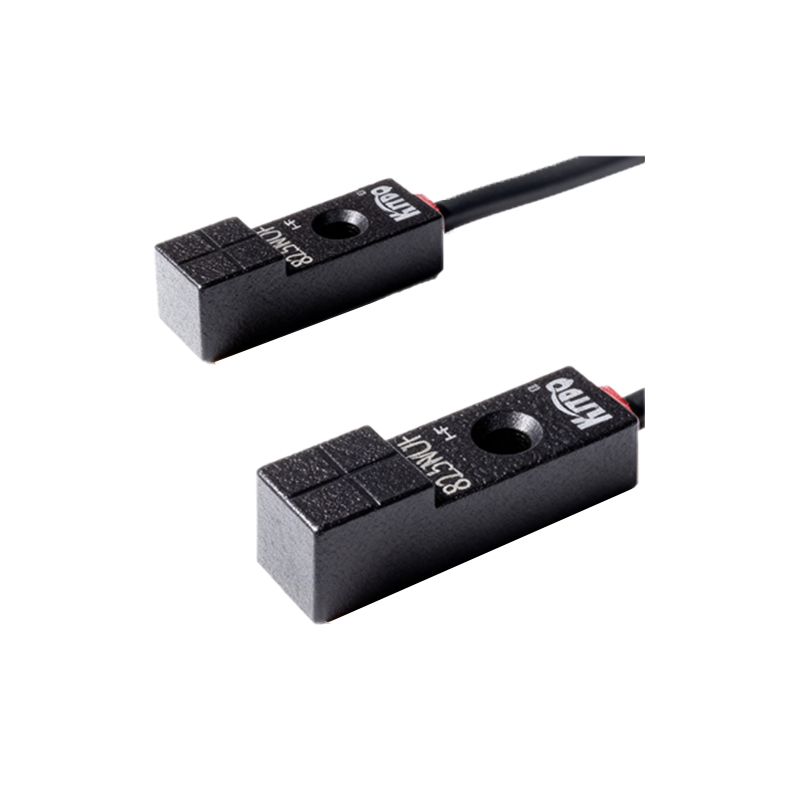
The advantages of 3-wire sensors over 2-wire versions are significant. They offer electrically isolated outputs, allowing for lower leakage current and compatibility with a wider range of control devices. They also generally provide faster switching speeds and more stable performance. PNP 3-wire inductive proximity sensors find applications across numerous industries. Common uses include detecting the presence or absence of metal parts on conveyor lines, monitoring robot arm positions, counting products, confirming cylinder end positions in pneumatic systems, and ensuring safety in machinery by verifying guard doors are closed.
For reliable operation, proper installation and environmental considerations are paramount. Ensure the sensor is mounted securely without undue stress on the cable or housing. Maintain the specified clearance around the sensing face to avoid interference from surrounding metal (non-target material). Consider environmental factors such as temperature extremes, chemical exposure, and washdown conditions, selecting sensors with appropriate ingress protection (IP) ratings like IP67 or IP69K for harsh environments. Electrical noise from motors or frequency drives can sometimes cause interference; using shielded cables and proper grounding practices is recommended for noise immunity.
In conclusion, the PNP 3-wire proximity sensor is a robust, versatile, and reliable solution for automated sensing tasks. Its design for sourcing positive voltage to a load makes it a logical and safe choice for many control system architectures. By mastering its wiring principles, understanding its switching behavior, and applying it within its specified operational limits, engineers and technicians can ensure efficient, accurate, and trouble-free object detection in complex industrial systems. Always consult the manufacturer's documentation for specific details regarding wiring,