In the rapidly evolving landscape of industrial automation, smart inductive proximity sensors have emerged as a cornerstone technology, driving efficiency, safety, and precision across diverse applications. These advanced sensors, which detect the presence or absence of metallic objects without physical contact, are integral to modern manufacturing, robotics, and process control systems. Unlike traditional sensors, smart inductive proximity sensors incorporate embedded intelligence, enabling real-time data processing, self-diagnostics, and seamless integration with Industrial Internet of Things (IIoT) platforms.
The fundamental principle behind inductive proximity sensors is based on electromagnetic induction. A coil within the sensor generates an oscillating magnetic field. When a metallic object enters this field, eddy currents are induced on the object's surface, causing a change in the oscillation amplitude. The sensor's circuitry detects this change and triggers an output signal. Smart variants enhance this basic functionality by integrating microprocessors and communication interfaces, such as IO-Link, Ethernet/IP, or PROFINET. This allows for parameter configuration, condition monitoring, and predictive maintenance, reducing downtime and operational costs.
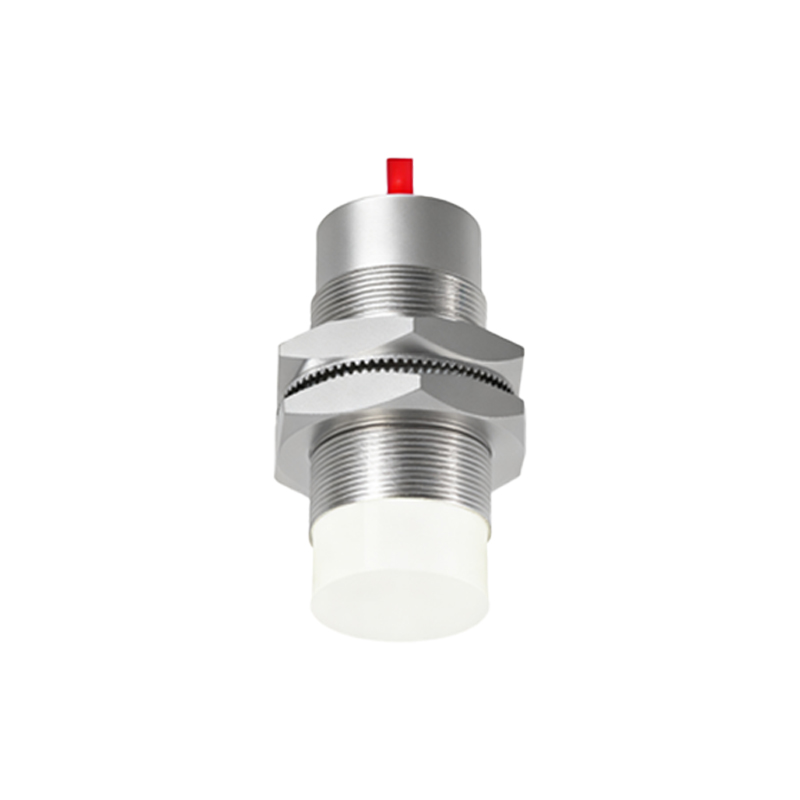
Key features of smart inductive proximity sensors include high switching frequencies, exceptional repeat accuracy, and robust construction resistant to harsh industrial environments. They are available in various form factors, including cylindrical, rectangular, and ring-shaped designs, catering to specific installation requirements. Materials like stainless steel or PBT housings ensure durability against dust, moisture, chemicals, and mechanical stress. Additionally, these sensors offer adjustable sensing ranges and teach-in capabilities, simplifying setup and optimization for different tasks.
Applications span numerous sectors. In automotive assembly lines, smart inductive sensors precisely position components and monitor robotic arm movements. In packaging machinery, they detect metal lids or caps, ensuring proper sealing and labeling. The food and beverage industry utilizes them for conveyor belt control and fill-level detection in metal containers, while in logistics, they facilitate automated sorting and inventory management. Their role in safety systems is also critical, as they can trigger emergency stops when objects breach designated zones.
The integration of smart inductive proximity sensors with IIoT ecosystems unlocks transformative benefits. Through continuous data collection on parameters like temperature, vibration, and operational cycles, these sensors enable predictive analytics. Maintenance teams receive alerts before failures occur, minimizing unplanned outages. Furthermore, centralized management via cloud-based platforms allows for remote configuration and performance analysis across global facilities, enhancing scalability and decision-making.
Despite their advantages, selecting the right sensor requires consideration of factors such as target material (ferrous or non-ferrous metals), sensing distance, environmental conditions, and output type (PNP/NPN analog or digital). It is also essential to adhere to international standards like IEC 60947-5-2 for performance and safety. Regular calibration and firmware updates ensure long-term reliability.
Looking ahead, advancements in miniaturization, energy efficiency, and AI-driven analytics will further expand the capabilities of smart inductive proximity sensors. As industries embrace Industry 4.0, these sensors will continue to be pivotal in creating agile, connected, and intelligent automation systems, fostering innovation and competitiveness in the global market.