In the intricate world of modern aviation, the Airbus A320 family stands as a testament to advanced engineering and reliable systems integration. Among the myriad of components ensuring its safe and efficient operation, proximity sensors play a critical, though often overlooked, role. These sensors are fundamental to monitoring the position and status of various moving parts, providing essential data to the aircraft's flight control computers and indicating systems. A precise count of these sensors is not merely an academic exercise but a key to understanding the aircraft's redundancy and safety design philosophy.
The Airbus A320 utilizes a significant number of proximity sensors across its major systems. Based on standard aircraft maintenance manuals and system schematics, the total number of installed proximity sensors on a typical A320 aircraft is approximately 80 to 90 units. This figure can vary slightly depending on the specific customer options, the aircraft's production block, and whether it is a classic (A320-200) or neo (A320neo) variant, though the core sensor architecture remains consistent.
These sensors are strategically distributed to monitor the landing gear, flight control surfaces, and engine systems. Starting with the landing gear, each main landing gear assembly incorporates multiple sensors. Typically, each gear has sensors to detect "gear up and locked," "gear down and locked," and "gear in transit" positions. The nose landing gear has a similar suite. Furthermore, sensors monitor the status of landing gear doors (both uplock and downlock positions). In total, the landing gear system accounts for a substantial portion, roughly 20-25 proximity sensors.
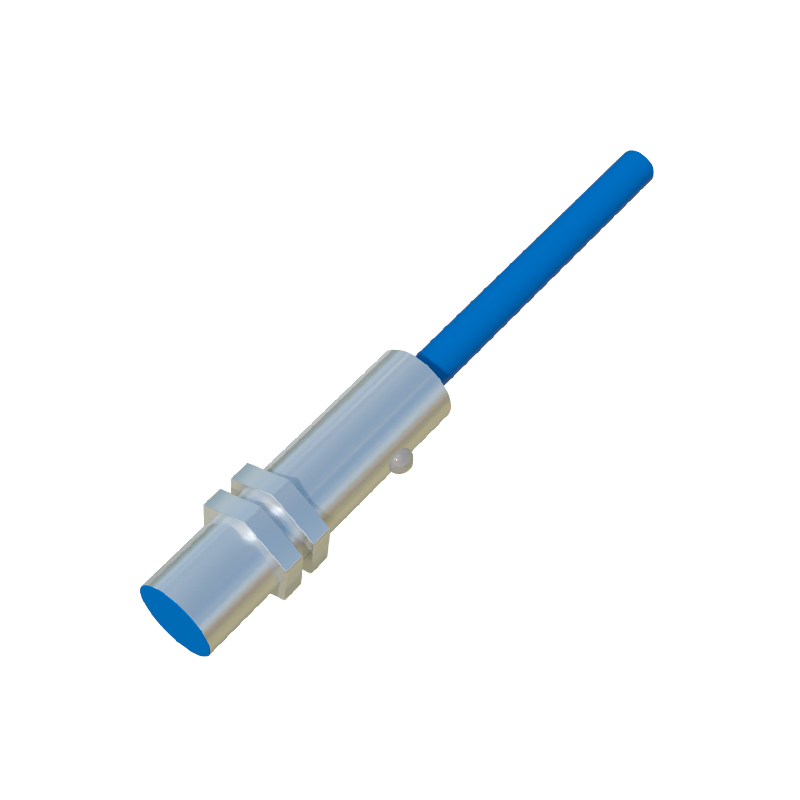
The flight control system is another major area of application. The A320's fly-by-wire system relies on precise feedback regarding the position of its primary control surfaces: ailerons, elevators, and the rudder. Each surface is equipped with sensors that provide position feedback to the Flight Control Primary Computers (FCPCs) and the Flight Control Secondary Computers (FCSCs). For instance, each aileron and elevator is typically monitored by two or more sensors per actuator for redundancy. The spoilers and high-lift devices (slats and flaps) also employ numerous proximity sensors to confirm their extended/retracted and locked positions. This subsystem can easily encompass 30-40 sensors.
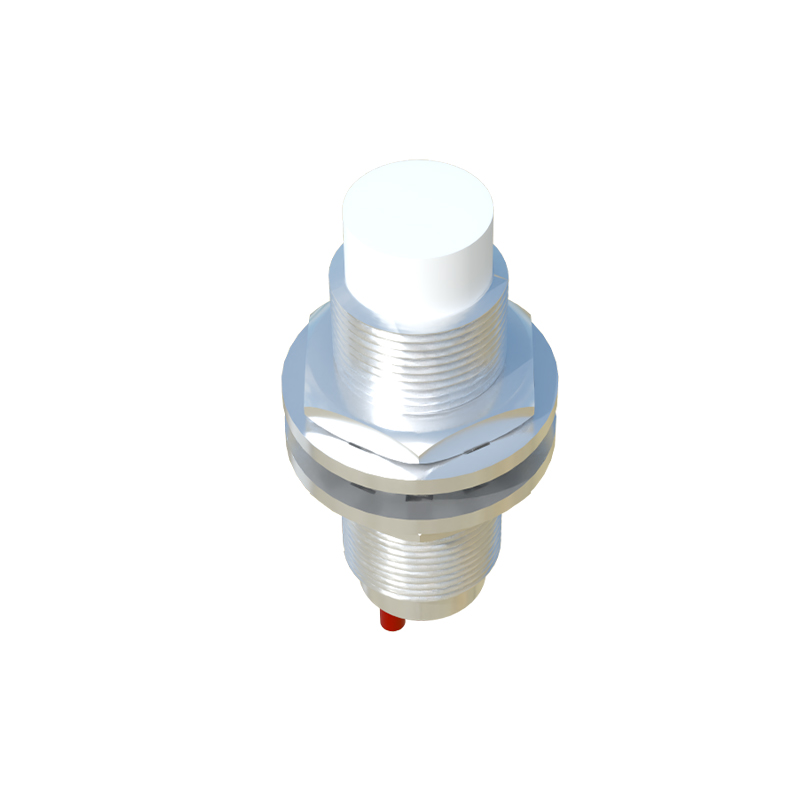
Engine monitoring is crucial for performance and safety. On the A320's CFM56 or V2500 engines (or LEAP-1A/PW1100G on the neo), proximity sensors are used to monitor the position of the thrust reverser sleeves, ensuring they are stowed and locked during normal flight. Sensors also check the status of the fan cowl doors and other access panels. The Engine Interface Unit (EIU) receives signals from these sensors. Typically, each engine nacelle houses around 10-15 proximity sensors.
Additional sensors are found in other areas. These include sensors for monitoring cargo door locks, avionics bay access doors, and certain hydraulic system components like valve positions. The exact count in these auxiliary systems can contribute the remaining 10-15 sensors to reach the total estimate.
The technology behind these sensors is predominantly inductive or capacitive. They are non-contact devices, detecting the presence or absence of a metallic target. This design offers high reliability, long service life, and resistance to contamination—vital attributes in the harsh aerospace environment. Their outputs are typically discrete signals (open or closed circuit) fed into the aircraft's central computers.
Understanding the quantity and function of these sensors underscores the A320's design emphasis on redundancy. Critical functions are monitored by multiple, independent sensors. This ensures that a single sensor failure does not lead to a loss of information or generate erroneous commands. Maintenance procedures heavily rely on the data from these sensors for troubleshooting and ensuring airworthiness.
In conclusion, while the exact number may have minor variations, an Airbus A320 aircraft is equipped with an estimated 80 to 90 proximity sensors. This network forms a silent, vigilant web, continuously reporting the state of key mechanical systems. It is a perfect example of how modern aviation integrates numerous simple, reliable components to create an exceptionally safe and complex transportation system. For engineers and technicians, a deep familiarity with the location, type, and function of each of these sensors is integral to effective maintenance and operational support of the A320 fleet.