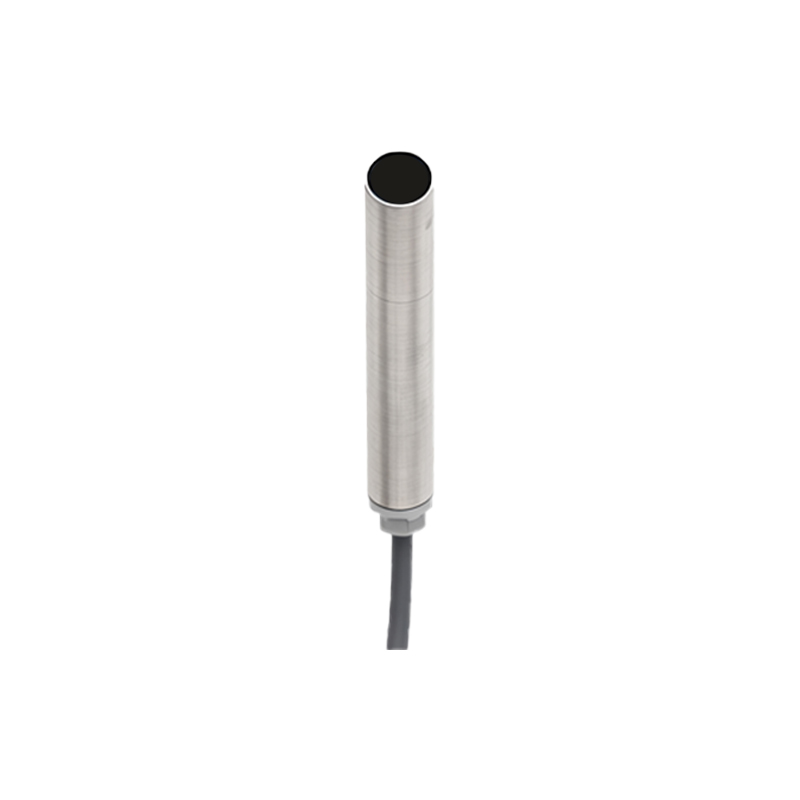
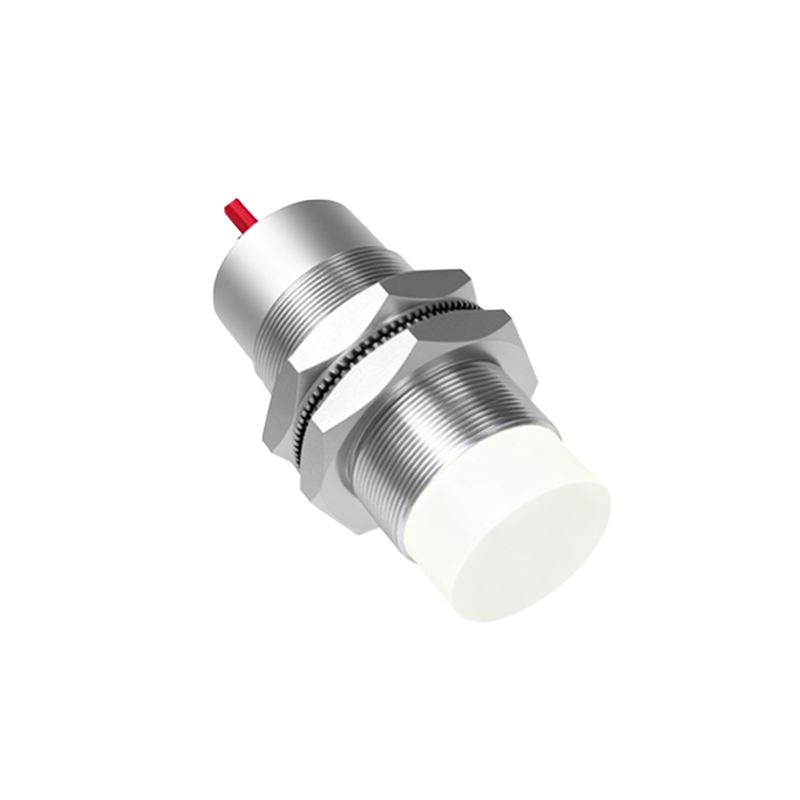
In the realm of industrial automation, the demand for precise, reliable, and durable sensing solutions is paramount. Among the diverse array of sensors available, the M4 proximity switch sensor stands out as a cornerstone technology for countless applications. Characterized by its compact cylindrical housing with an 18mm diameter, the M4 sensor provides a robust and versatile solution for non-contact detection of metallic objects. Its operational principle is primarily based on electromagnetic induction, allowing it to sense ferrous metals, or in some specialized variants, non-ferrous metals as well, without any physical contact. This non-contact nature is a critical advantage, eliminating mechanical wear and tear, ensuring long-term operational stability, and enabling high-speed detection cycles that are essential in modern manufacturing lines.
The core of an M4 inductive proximity sensor consists of an oscillator circuit, a signal evaluator, and a solid-state switching output. The oscillator generates a high-frequency electromagnetic field that radiates from the active face of the sensor. When a metallic target enters this field, eddy currents are induced within the target, causing a change in the oscillation amplitude. The sensor's internal circuitry detects this damping effect and triggers a change in its output state—typically switching a PNP or NPN transistor. This clean, bounce-free electrical signal is then used to control machinery, count parts, confirm positioning, or initiate subsequent processes. The switching point is remarkably repeatable, offering the precision necessary for tasks like robotic arm positioning or spindle tool detection in CNC machines.
One of the defining features of the M4 form factor is its exceptional environmental resilience. Most industrial-grade M4 sensors are built to withstand harsh conditions. They commonly feature ingress protection ratings of IP67 or higher, making them resistant to dust and temporary immersion in water. This allows for reliable operation in environments with coolants, oils, and metal chips. Furthermore, many models are designed with robust housing materials like nickel-plated brass or stainless steel, providing excellent resistance to mechanical impacts and chemical corrosion. The integrated LED status indicator is a simple yet invaluable feature for quick visual confirmation of the sensor's operational state and switching activity, significantly aiding in installation, troubleshooting, and maintenance.
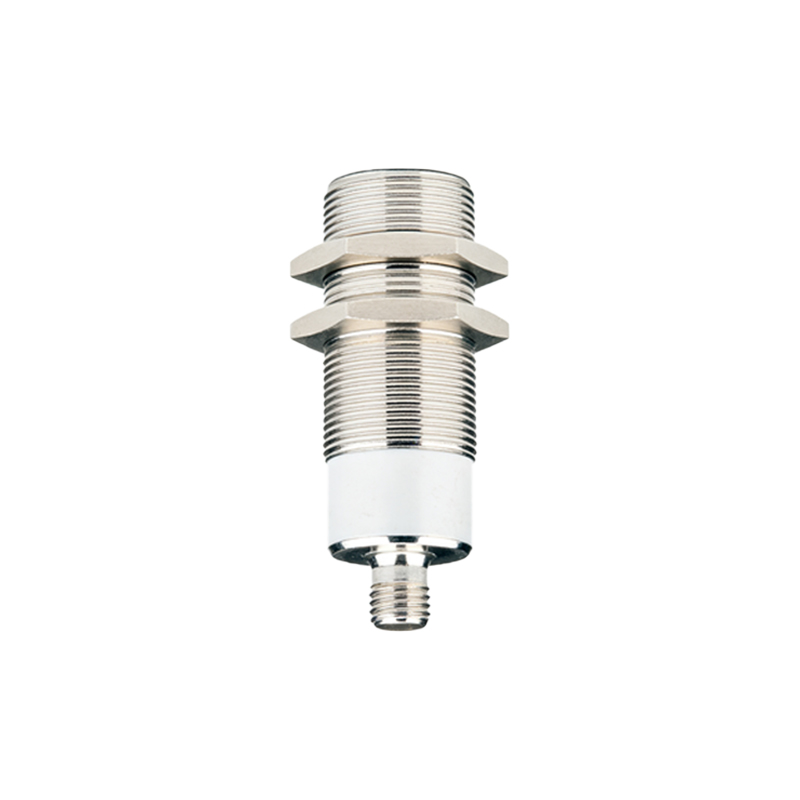
The application spectrum for M4 proximity sensors is vast. They are ubiquitous in automotive assembly lines for verifying the presence of components like pistons or bolts. In packaging machinery, they detect the position of foil lids or metallic elements on containers. Within material handling systems, they serve as limit switches for cylinder position feedback or as part of safety interlock systems. Their small size is particularly advantageous in confined spaces where larger sensors cannot be installed, such as inside grippers of collaborative robots or on compact indexing tables. The availability of different sensing ranges (e.g., 2mm, 4mm, 8mm), output configurations (NO/NC, analog, IO-Link), and connection types (pre-wired cables or quick-disconnect plugs) further enhances their versatility, allowing engineers to select the perfect model for a specific task.
When integrating an M4 sensor into a control system, several key considerations must be addressed. Proper mounting is crucial; flush-mounted sensors can be installed without lateral clearance, but their sensing range is reduced. Non-flush (shielded) models offer a longer range but require a metal-free zone around the sensing face. The choice between PNP (sourcing) and NPN (sinking) outputs must align with the input module of the programmable logic controller (PLC) being used. Electrical specifications such as operating voltage (commonly 10-30V DC) and load current must not be exceeded. Additionally, in environments with multiple sensors in close proximity, mutual interference can occur. Maintaining adequate spacing between sensors or using models with anti-interference technology is essential to prevent false triggering.
Looking forward, the evolution of M4 sensor technology continues. The integration of smart features via IO-Link communication transforms a simple binary switch into an intelligent device capable of reporting parameters like operating temperature, switch cycle counts, and signal strength for predictive maintenance. This digital layer adds immense value by enabling condition monitoring and seamless integration into Industry 4.0 data architectures. In conclusion, the M4 proximity sensor, through its blend of compact design, rugged construction, and precise inductive sensing, remains an indispensable and evolving component. It provides the fundamental "eyes" for automated equipment, ensuring accuracy, enhancing safety, and driving efficiency in the dynamic landscape of industrial automation.