Proximity sensors are widely used in industrial automation, robotics, and consumer electronics for non-contact detection of objects. One critical performance parameter that often determines their suitability for specific applications is the switching frequency. This article provides a comprehensive overview of proximity sensor switching frequency, covering its definition, influencing factors, measurement methods, and practical considerations for selection and optimization.
Switching frequency, typically expressed in Hertz (Hz), refers to the maximum number of on/off cycles a proximity sensor can perform per second. It defines how quickly the sensor can detect an object, output a signal, reset, and be ready to detect the next object. A higher switching frequency enables faster response times, making the sensor suitable for high-speed applications such as counting small parts on a conveyor belt, monitoring rotational speed, or controlling rapid assembly processes.
Several key factors influence the achievable switching frequency of a proximity sensor. First, the sensor's operating principle plays a fundamental role. Inductive sensors, which detect metallic objects, and capacitive sensors, which detect both metallic and non-metallic materials, generally have different frequency characteristics due to their underlying electronics and field interaction. Second, the physical size and design of the sensing face and oscillator coil impact the speed at which the electromagnetic field can be established and collapsed. Third, the characteristics of the target object are crucial: the material (e.g., steel, aluminum, plastic), size, shape, and the distance at which it passes the sensor (the sensing distance) all affect the response time. A smaller, faster-moving target requires a higher switching frequency for reliable detection.
The electrical output type is another major determinant. Sensors with digital transistor outputs (PNP or NPN) often have higher maximum switching frequencies than those with analog current or voltage outputs, as the latter require additional time for signal processing. Furthermore, the load connected to the sensor output, such as a programmable logic controller (PLC) input module or a relay, must be capable of handling the intended frequency to avoid signal degradation.
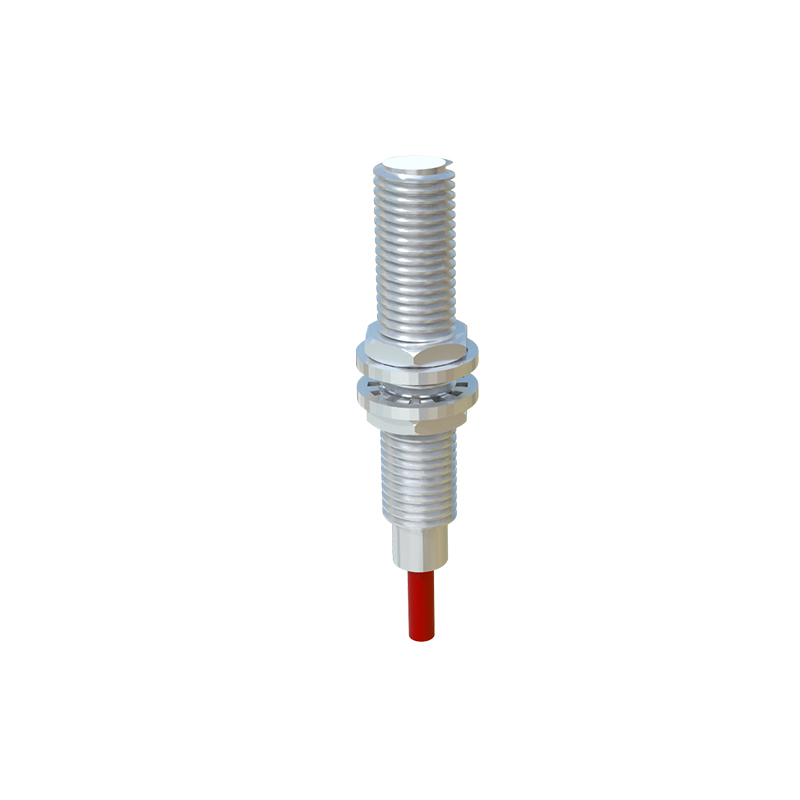
Manufacturers specify the switching frequency in datasheets, usually under defined standard conditions (e.g., a standard target at a nominal distance). It is essential to understand that real-world performance may differ. Environmental factors like temperature extremes, electrical noise, or the presence of other sensors can reduce effective frequency. Therefore, derating—allowing a safety margin below the maximum specified frequency—is a common practice in critical applications to ensure reliability and longevity.
When selecting a proximity sensor for a high-frequency task, engineers must calculate the required frequency based on application parameters. For example, to count bottles moving at a line speed of 2 meters per second, with each bottle being 10 cm wide, the sensor must detect the leading edge of one bottle and reset before the leading edge of the next arrives. This calculation directly yields the minimum necessary switching frequency. Choosing a sensor with a frequency rating significantly above this minimum provides a buffer for variations in speed or alignment.
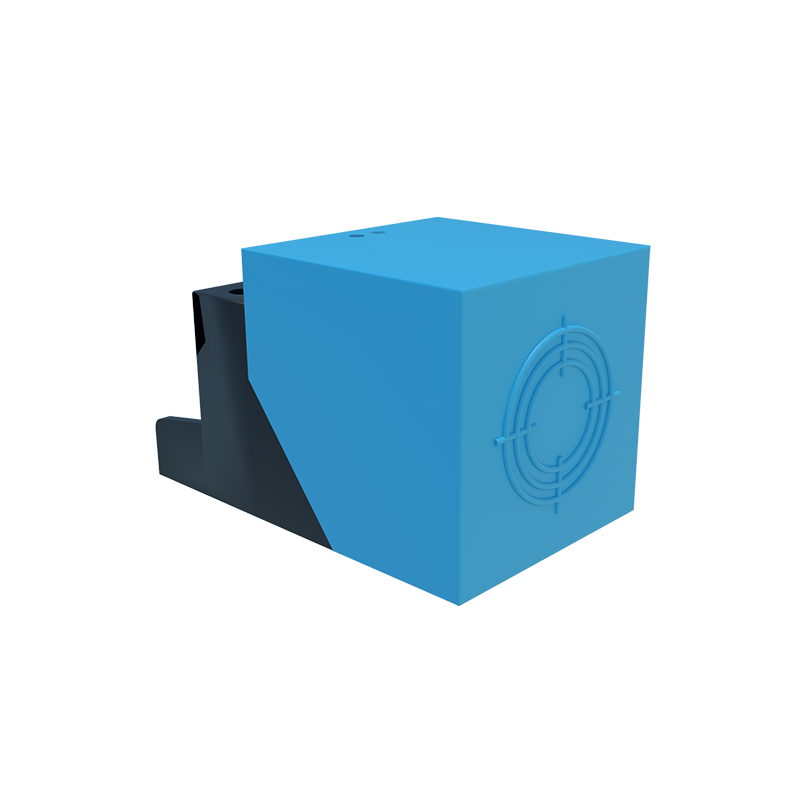
Installation and wiring also impact performance. Using shielded cables, keeping wiring runs short, and avoiding parallel runs with power cables minimize electromagnetic interference, which can cause false triggering and effectively limit the usable switching frequency. Proper mounting, ensuring the target approaches the sensor head correctly (usually perpendicularly), is vital for consistent operation at high speeds.
In summary, switching frequency is a vital specification that dictates how fast a proximity sensor can operate. Understanding its dependencies on sensor type, target, output, and environment allows for informed selection and deployment. By matching the sensor's capabilities to the application's speed demands and following best practices for installation, users can achieve reliable, high-performance object detection, maximizing efficiency in automated systems.