Proximity photoelectric reflective sensors are indispensable components in modern industrial automation, offering non-contact detection capabilities for a wide range of applications. These sensors operate on a simple yet effective principle: they emit a beam of light, typically infrared or visible LED-based, and detect the reflection from a target object. The presence or absence of the reflected signal triggers an output, enabling precise object detection, counting, positioning, and quality control without physical contact.
The core mechanism involves an emitter and a receiver housed in a single unit. The emitter projects a focused light beam toward the target area. When an object enters the sensing range, light reflects off its surface and returns to the receiver. The sensor's internal circuitry processes this reflected signal, comparing it to a predefined threshold to determine the object's presence. Key factors influencing performance include the reflectivity of the target surface, environmental conditions (such as ambient light or dust), and the sensor's alignment. For optimal operation, engineers must consider the sensing distance, which varies by model—typically ranging from a few millimeters to several meters—and the response time, crucial for high-speed production lines.
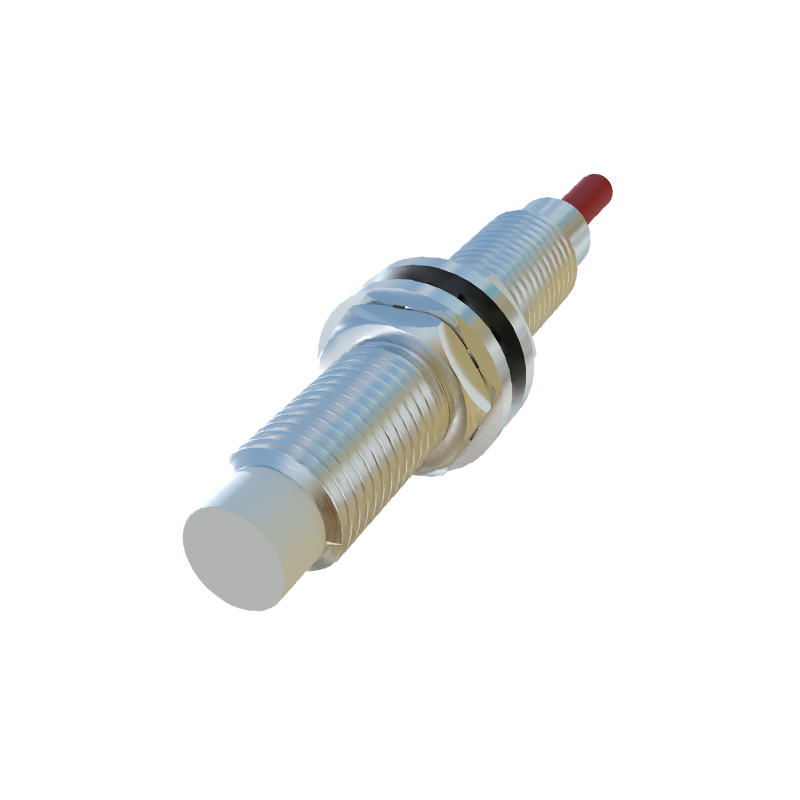
In industrial settings, these sensors are favored for their durability and versatility. They can detect diverse materials, including metals, plastics, glass, and liquids, as long as the surface reflects sufficient light. Common applications include conveyor belt monitoring, where sensors count packages or detect jams; assembly line automation, ensuring components are correctly positioned; and safety systems, like guarding hazardous machinery by detecting human proximity. Advanced models feature background suppression technology, which ignores reflections from distant objects, or polarized filters to reduce glare from shiny surfaces, enhancing reliability in complex environments.
Selecting the right sensor requires careful evaluation of operational parameters. The sensing mode—diffuse reflective, retro-reflective, or through-beam—must align with the task. Diffuse reflective types, the most common for proximity detection, rely on direct reflection from the target, making them suitable for short-range applications. Engineers should also assess environmental ratings, such as IP67 for dust and water resistance, and output types (e.g., NPN/PNP transistors or analog signals) to ensure compatibility with control systems like PLCs. Regular maintenance, including lens cleaning and alignment checks, helps sustain accuracy over time.
Despite their robustness, challenges like interference from ambient light or highly absorptive materials (e.g., black rubber) can affect performance. Solutions involve using sensors with modulated light signals to filter out noise or adjusting the sensitivity settings. As Industry 4.0 evolves, these sensors are integrating with IoT platforms, enabling real-time data collection for predictive maintenance and smarter automation. In summary, proximity photoelectric reflective sensors are vital for efficient, contactless operations, driving productivity and safety across manufacturing, packaging, and logistics sectors. Their adaptability and precision make them a cornerstone of automated systems worldwide.