In the intricate world of industrial automation and machinery, the ability to detect the presence, absence, or position of an object without physical contact is a fundamental requirement. This critical function is performed by a class of devices universally known as proximity sensors. These sensors are the silent, reliable sentinels of modern manufacturing, enabling precise control, enhancing safety, and ensuring efficiency across countless applications.
At its core, a proximity sensor is a device that emits an electromagnetic field or a beam of electromagnetic radiation (like infrared light) and looks for changes in the field or return signal. The object being detected is often referred to as the sensor's "target." The key distinction from limit switches or other mechanical sensors is the complete lack of physical contact, leading to significantly higher reliability, longer operational life, and faster response times.
The industrial landscape features several primary types of proximity sensors, each operating on a distinct principle and suited for specific target materials and environmental conditions.
Inductive Proximity Sensors: These are arguably the most common type in metal-working industries. They generate an oscillating electromagnetic field. When a metallic target enters this field, it induces eddy currents within the target, which causes a change in the oscillation amplitude. This change is detected by the sensor's circuitry, triggering an output signal. Inductive sensors are robust, resistant to dirt, dust, and moisture, and are excellent for detecting ferrous and non-ferrous metals, though with varying sensing ranges. They are ideal for applications like counting metal parts, detecting piston position in cylinders, or as end-of-travel sensors on machine tools.
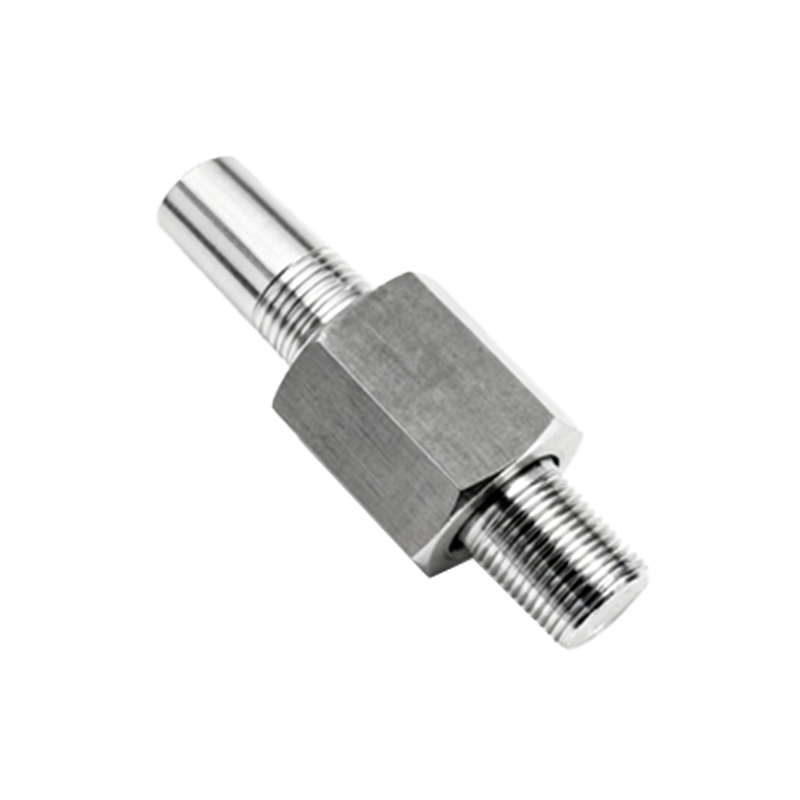
Capacitive Proximity Sensors: These sensors can detect both metallic and non-metallic targets, including liquids, powders, plastics, and wood. They function by generating an electrostatic field. Any object that enters this field alters the capacitance of the sensor's circuit. This alteration is measured, and when it reaches a preset threshold, the sensor activates. This makes capacitive sensors versatile for tasks such as liquid level detection in non-metallic tanks, monitoring presence of plastic caps on bottles, or detecting wood or glass panels on a conveyor line.
Ultrasonic Proximity Sensors: Operating on a principle similar to sonar, these sensors emit high-frequency sound waves (ultrasonic pulses) and evaluate the echo reflected back from a target. By measuring the time interval between sending the signal and receiving the echo, the sensor can calculate the distance to the object. Ultrasonic sensors are effective for detecting objects of virtually any material, shape, or color, and are particularly useful for longer-range detection, transparent object detection, and applications involving harsh environments where optical sensors might fail due to dirt or smoke.
Photoelectric Sensors: While sometimes categorized separately, they perform a key proximity detection function. They consist of a light emitter (usually LED) and a receiver. They detect objects by interpreting changes in the received light beam. The three main modes are through-beam (separate emitter and receiver), retro-reflective (target breaks a beam reflected off a reflector), and diffuse (sensor detects light reflected directly off the target). Photoelectric sensors offer very long sensing ranges and are perfect for detecting small objects, transparent materials, and for use in clean environments.
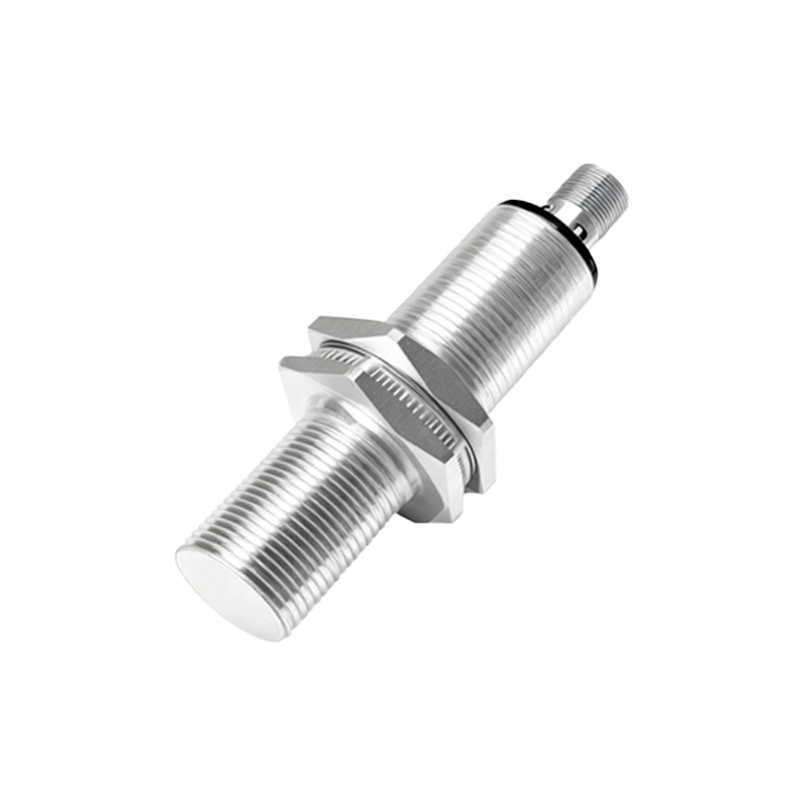
Magnetic Proximity Sensors (Reed Switches/Hall Effect): These sensors detect the presence of a permanent magnet. Reed switches use hermetically sealed ferromagnetic reeds that close or open in the presence of a magnetic field. Hall Effect sensors produce a voltage output when exposed to a magnetic field. They are commonly used for detecting the position of cylinder pistons (with a magnet embedded in the piston) or in safety door interlocks.
Selecting the right proximity sensor involves careful consideration of several factors: the target material, required sensing distance, environmental conditions (temperature, presence of chemicals, washdown requirements), output type (PNP/NPN, analog, IO-Link), and electrical requirements. The nominal sensing distance, or "Sn," specified in datasheets, is defined for a standard target. In real-world applications, factors like target size, shape, and material can affect the actual usable range.
The applications are virtually limitless. From ensuring a robotic gripper has picked up a component, to verifying a bottle is in place for filling, to preventing a press from operating without a workpiece, proximity sensors provide the essential data for automated decision-making. They are integral to Industry 4.0 and smart factory concepts, often serving as the primary data-generating nodes on the factory floor.
In conclusion, the device used to detect close-range presence without contact is definitively the proximity sensor. Its various forms—inductive, capacitive, ultrasonic, photoelectric, and magnetic—provide engineers with a powerful toolkit to solve diverse detection challenges. Understanding their operating principles, strengths, and limitations is crucial for designing robust, efficient