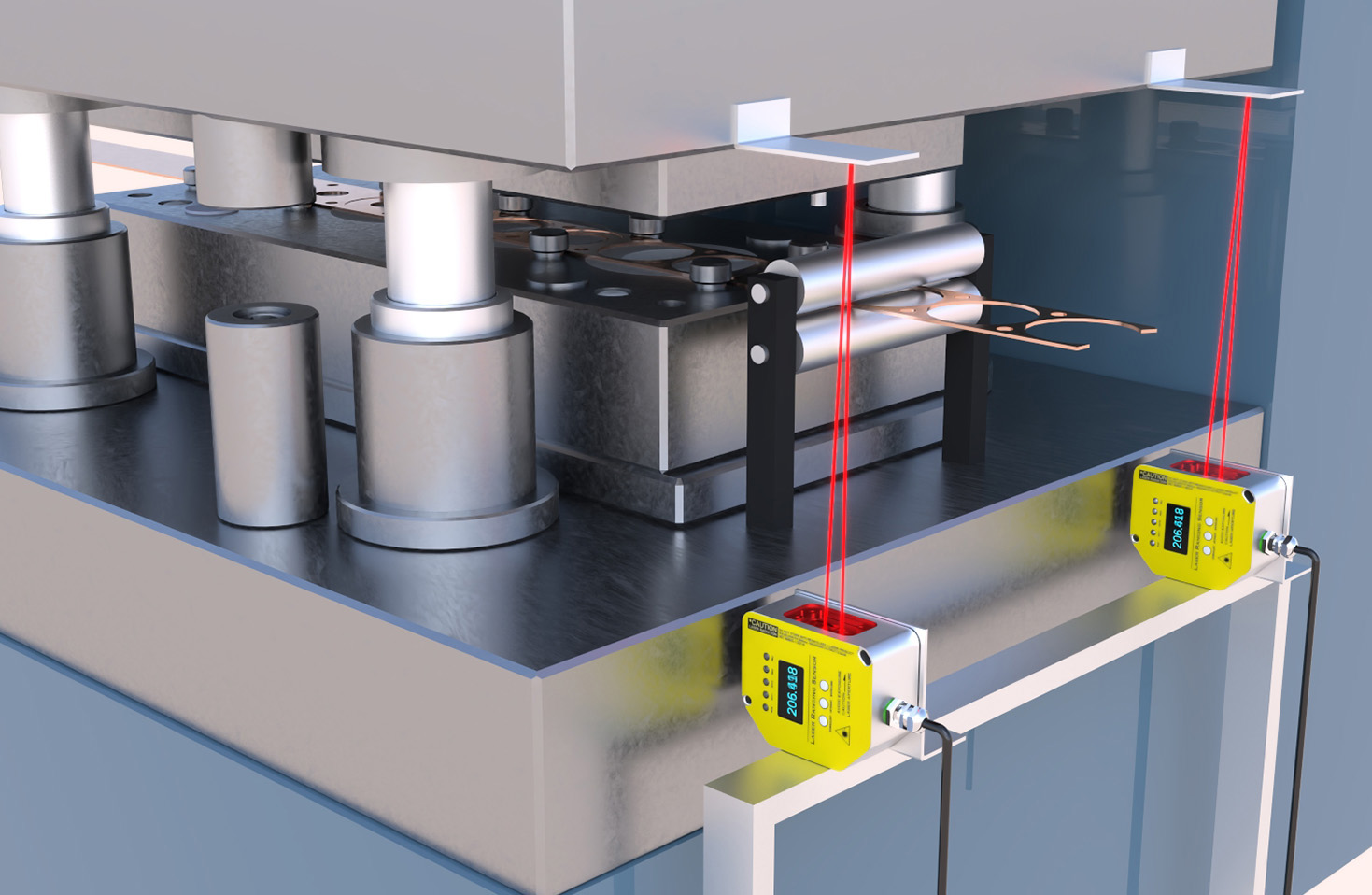
In the rapidly evolving landscape of industrial automation, laser color sensors have emerged as a critical technology for ensuring quality control, enhancing efficiency, and enabling sophisticated material handling. These sensors utilize laser light sources to detect and differentiate colors with high accuracy, even in challenging environments where traditional optical sensors may falter. By emitting a focused laser beam onto a target surface and analyzing the reflected light spectrum, laser color sensors can identify subtle color variations that are imperceptible to the human eye. This capability is invaluable across diverse sectors, from manufacturing and packaging to pharmaceuticals and automotive industries.
The core mechanism of a laser color sensor involves a laser diode, typically operating in the visible or near-infrared spectrum, which projects a coherent light beam. When this beam strikes an object, the reflected light is captured by a photodetector array. Advanced algorithms then process the spectral data to determine the color based on predefined thresholds or learned patterns. Unlike conventional RGB sensors, laser-based systems offer superior stability against ambient light interference, thanks to the coherent nature of laser light. This makes them ideal for applications in fluctuating lighting conditions, such as outdoor settings or factory floors with variable illumination.
One of the standout features of laser color sensors is their precision in color matching and sorting. In textile production, for instance, they ensure fabric dyes meet exact color specifications, reducing waste and rework. In the food and beverage industry, these sensors verify packaging labels and detect contaminants by color anomalies, safeguarding consumer safety. Additionally, in electronics manufacturing, they assist in component identification and placement by recognizing color-coded parts, streamlining assembly lines. The non-contact nature of laser sensing also prevents damage to delicate materials, preserving product integrity.
Recent advancements have further expanded the utility of laser color sensors. Integration with IoT (Internet of Things) platforms allows for real-time data monitoring and predictive maintenance, enabling proactive adjustments in production processes. Machine learning enhancements enable sensors to adapt to new color profiles dynamically, reducing setup times and improving flexibility. Moreover, miniaturization has led to compact sensor designs that can be embedded into robotic arms or mobile units, facilitating automated inspection in confined spaces.
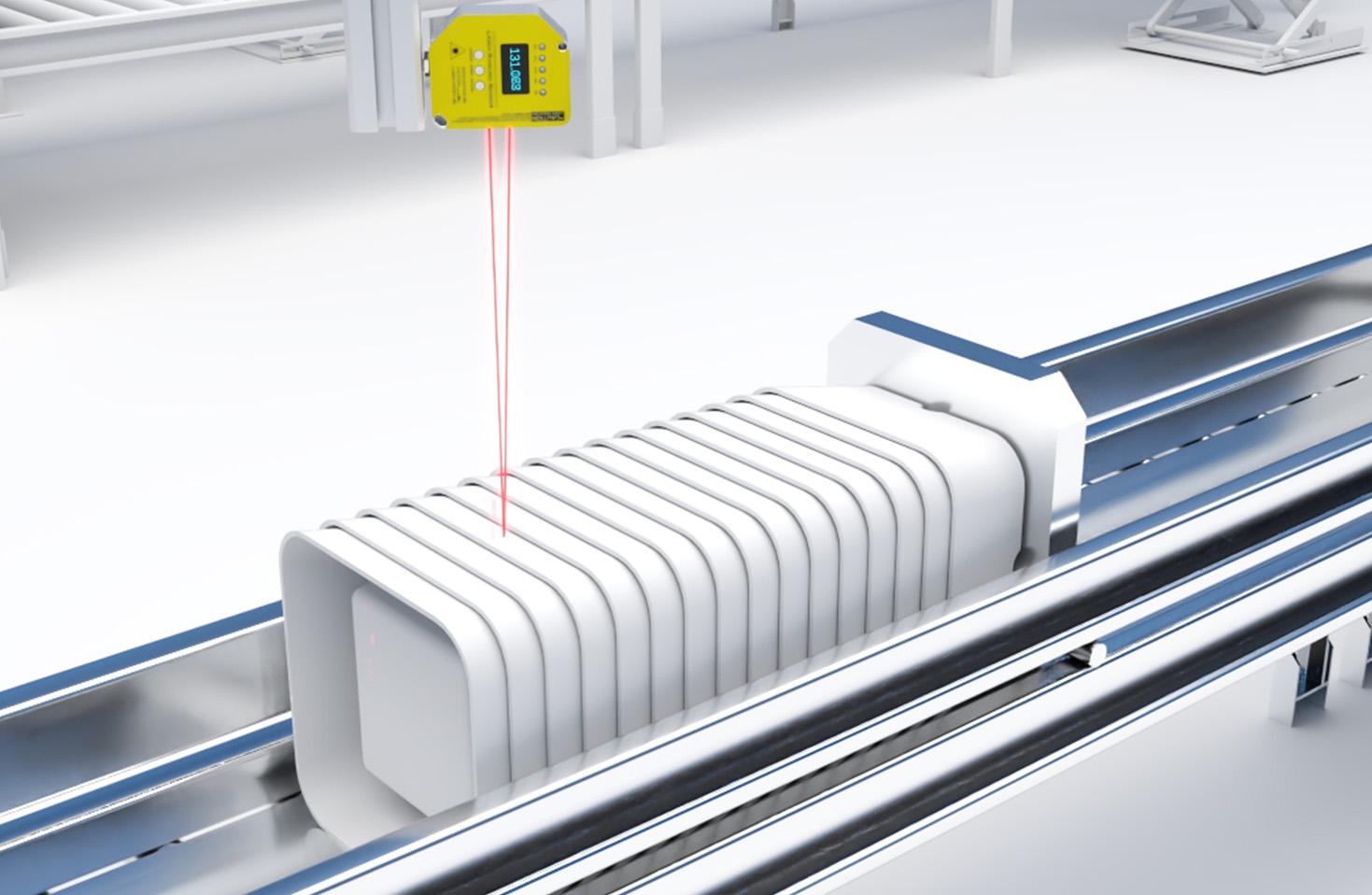
Despite their advantages, selecting the right laser color sensor requires careful consideration of factors such as measurement distance, target surface properties, and environmental conditions. For example, glossy or transparent materials may require specialized calibration to avoid erroneous readings. Regular maintenance, including lens cleaning and calibration checks, is essential to sustain accuracy over time. Industry standards, such as those from ISO (International Organization for Standardization), provide guidelines for implementation to ensure reliability and interoperability.
Looking ahead, the future of laser color sensors is poised for growth with trends like hyperspectral imaging and AI-driven analytics. These innovations will enable even finer color discrimination and broader application scopes, from environmental monitoring to medical diagnostics. As industries continue to prioritize automation and quality assurance, laser color sensors will remain a cornerstone technology, driving innovation and operational excellence. By leveraging their precision and adaptability, businesses can achieve higher productivity, reduce errors, and meet stringent regulatory demands in a competitive global market.
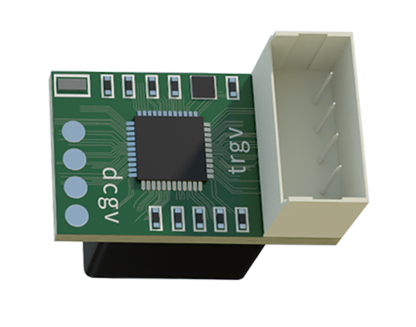
In summary, laser color sensors represent a fusion of optical engineering and digital intelligence, offering robust solutions for modern industrial challenges. Their ability to deliver consistent, high-resolution color data makes them indispensable tools for professionals seeking to optimize processes and enhance product quality. As technology evolves, these sensors will undoubtedly play an even more pivotal role in shaping the factories and supply chains of tomorrow.