In the world of industrial automation and machine design, proximity and photoelectric sensors are fundamental components. A common and critical question from engineers, procurement specialists, and project managers is: "How much do these sensors cost?" The answer is rarely a single figure, as the price is influenced by a complex matrix of technical specifications, brand positioning, and purchasing variables. Understanding this cost structure is essential for accurate budgeting and selecting the optimal sensor for an application.
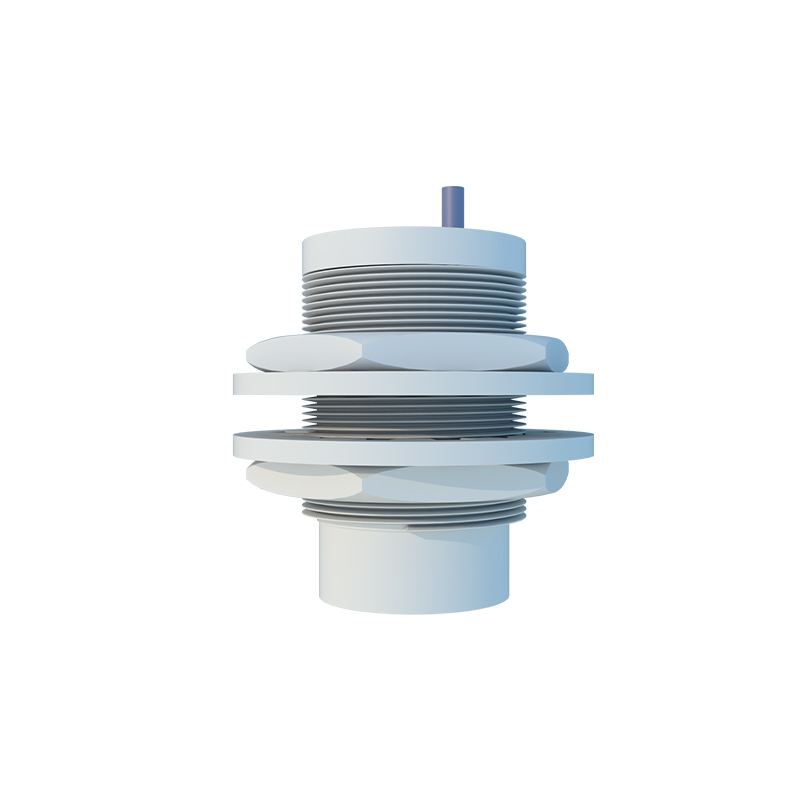
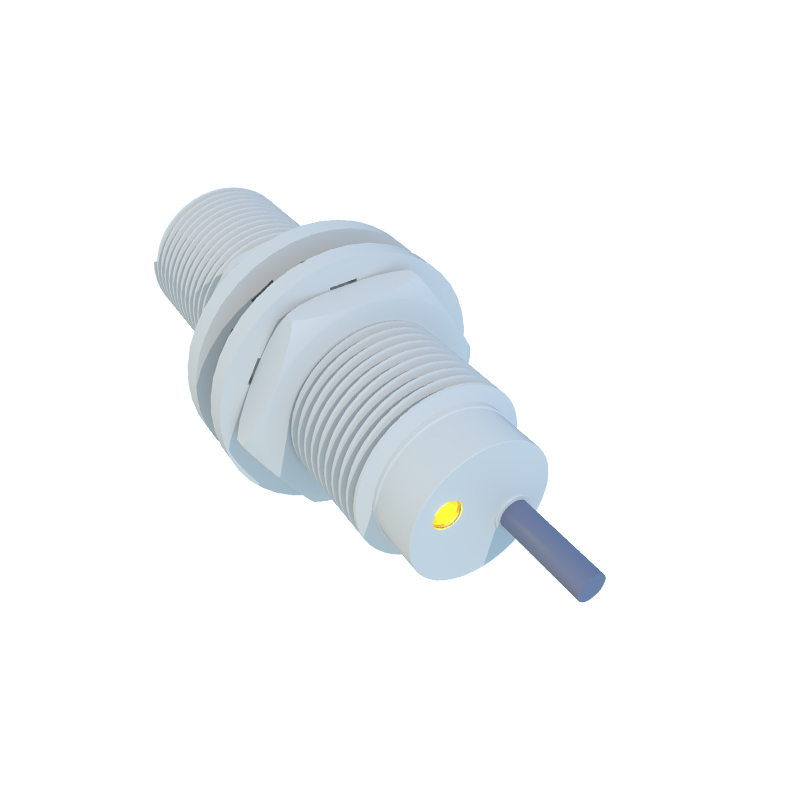
The primary determinant of cost is the sensor's underlying technology and its specifications. Inductive proximity sensors, used for detecting metallic objects, are generally the most economical, with basic shielded barrel models starting as low as $20 to $50 USD. However, prices escalate for models with extended sensing ranges, higher switching frequencies, or specialized housing materials like stainless steel for washdown environments, which can reach $150 or more. Capacitive sensors, capable of detecting non-metallic materials, typically carry a 20-40% premium over comparable inductive models.
Photoelectric sensors represent a broader and often higher-priced category due to their versatility. Basic diffuse-reflective sensors with a fixed sensing range might be found in the $40-$80 range. More advanced retro-reflective or through-beam models, offering longer ranges and higher reliability in challenging conditions, can range from $80 to $250. The most significant cost jump comes with specialized variants: Background Suppression (BGS) sensors, which ignore objects beyond a set distance, and True Color Recognition sensors, which are sophisticated enough to differentiate colors, can easily cost between $200 and $600 per unit. Fiber optic amplifiers, paired with separate light guides, add another layer, where the amplifier unit itself may cost $150-$400, plus the cost of the fiber optic cable.
Brand reputation and origin play a substantial role. Established global leaders like Sick, Omron, Keyence, and Banner Engineering command premium prices, often 30-100% higher than generic or value-line brands. This premium buys not just the sensor, but also extensive R&D, proven reliability, comprehensive technical support, global availability, and sophisticated diagnostic features. In contrast, many automation component suppliers and online marketplaces offer competitively priced alternatives that can be perfectly adequate for less demanding applications, with prices potentially 40-60% lower.
Ordering volume is a classic economic lever. A one-off unit purchased from a distributor will be at list price. Significant project volumes (e.g., 100+ pieces) often unlock direct manufacturer quotes with substantial discounts, sometimes up to 25-40% off list price. Conversely, requiring specialized modifications, custom cable lengths, or unique connectors will add cost and lead time.
Beyond the initial purchase price, Total Cost of Ownership (TCO) is a crucial engineering consideration. A cheaper sensor that fails prematurely, causes machine downtime, or requires frequent recalibration can incur costs far exceeding the price difference with a more robust model. Factors affecting TCO include mean time between failures (MTBF), environmental sealing (IP67/IP69K ratings), resistance to electrical noise, and ease of installation and alignment. Investing in a sensor with clear status LEDs, IO-Link capability for digital parameterization and diagnostics, or ruggedized housing often pays dividends in reduced maintenance and troubleshooting time.
Finally, the supply chain context matters. List prices are typically quoted in USD, EUR, or JPY. Local tariffs, distributor markups, and shipping costs must be factored into the final landed cost. During periods of component shortages or logistical disruptions, lead times can extend from weeks to months, and spot market prices may inflate significantly.
In summary, while a basic sensor can be acquired for under $50, a fully featured, brand-name photoelectric sensor for a critical application can approach $1000. A disciplined specification process—clearly defining the required sensing range, target material, environmental conditions, output type, and required certifications—is the first step to cost-effective procurement. Engineers are advised to consult directly with technical sales representatives from both major and value brands, request samples for testing, and always evaluate cost within the broader framework of performance, reliability, and lifecycle value to the machine or system.