In the realm of industrial automation and electrical engineering, precise terminology is paramount. One frequently encountered component is the device designed to detect the presence or absence of metallic objects without physical contact. The correct and universally accepted English term for this device is a Metal Proximity Sensor.
This term is specific and descriptive. "Metal" clearly defines the target material. "Proximity" indicates the non-contact nature of the detection, which occurs within a certain range or distance. "Sensor" classifies it as a device that responds to a physical stimulus and transmits a resulting signal. It is a subset of the broader category of inductive proximity sensors, which operate on the principle of electromagnetic induction.
Understanding the operational principle is key to using the term correctly. A metal proximity sensor typically contains an oscillator circuit that generates a high-frequency electromagnetic field at its active face. When a metallic object enters this field, eddy currents are induced on the surface of the metal. This causes a change in the oscillation amplitude, which is detected by the sensor's circuitry. This change triggers a switching action in the sensor's output, signaling the presence of the metal target. This fundamental principle is why they are also accurately referred to as Inductive Proximity Sensors when discussing their technical operation. The terms "metal proximity sensor" and "inductive proximity sensor" are often used interchangeably in industry, though the former is more target-specific.
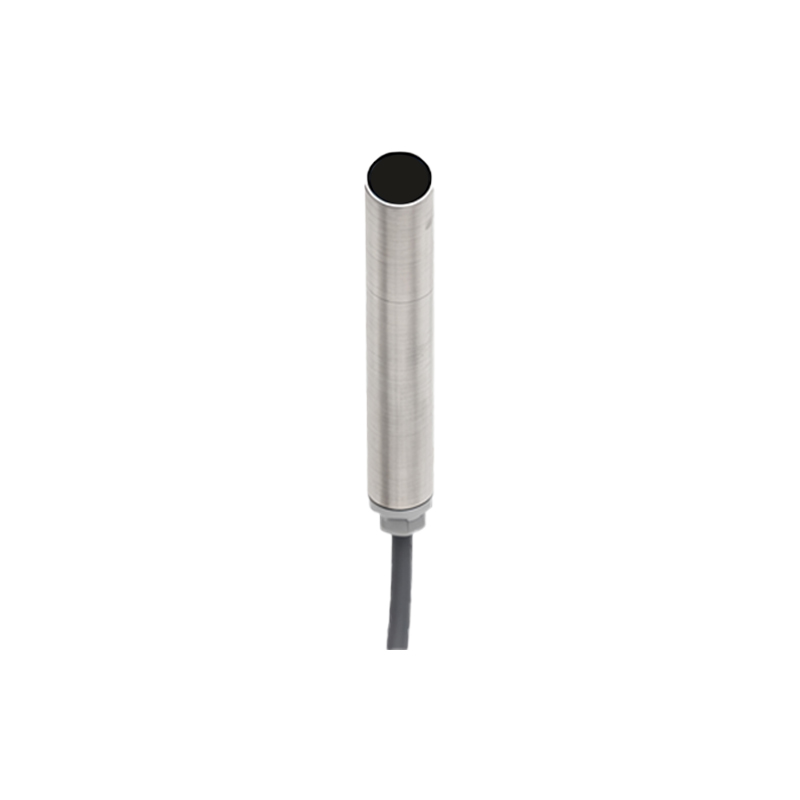
For engineers specifying or procuring these components, several key parameters are associated with the term:
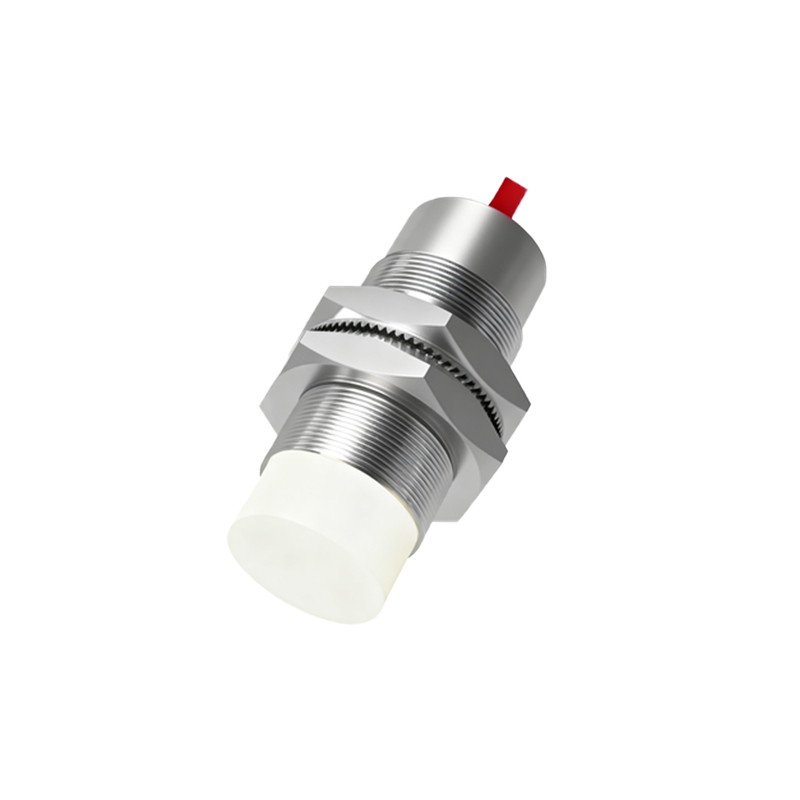
Sensing Distance (Sn): The nominal operating distance at which a standard target (usually mild steel) is detected.
Output Type: Common configurations include NPN (sinking), PNP (sourcing), Normally Open (NO), or Normally Closed (NC) outputs.
Shielded (Flush-mountable) vs. Unshielded (Non-flush): Shielded sensors can be mounted flush in metal without affecting their sensing field, while unshielded sensors offer a longer sensing range but require non-metallic surroundings.
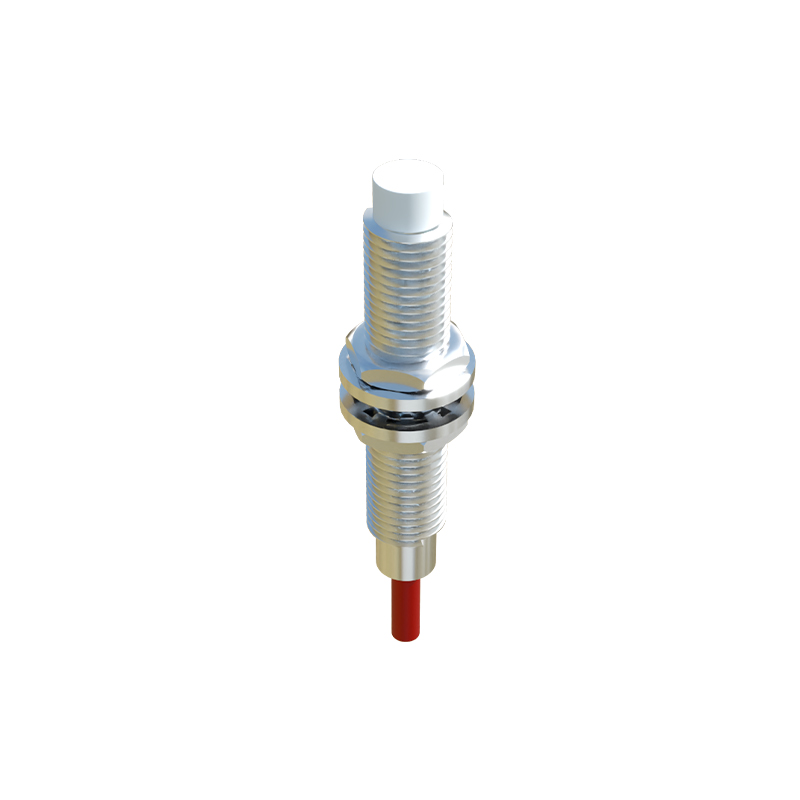
Housing Material: Typically constructed from nickel-plated brass, stainless steel, or PBT plastic for durability in harsh environments.
In technical documentation, datasheets, and PLC (Programmable Logic Controller) ladder logic, you will consistently see the term "Proximity Sensor" or "Inductive Sensor." In bill of materials (BOM) or part numbering systems, prefixes like "IM" (Inductive Metal) or "PRX" (Proximity) are common. For instance, a part number might be "IM12-04NPS-ZW1," where "IM" denotes an inductive metal sensor.
It is crucial to distinguish it from other sensor families. A Capacitive Proximity Sensor can detect both metallic and non-metallic materials (like liquids or plastics) and uses a different principle. An Ultrasonic Sensor uses sound waves for detection. A Photoelectric Sensor uses light beams. Therefore, specifying "metal" is essential for clarity in application engineering.
These sensors are ubiquitous in manufacturing. Applications include part presence verification on conveyor lines, end-of-travel detection for cylinders, rotary encoder indexing, and high-speed counting of metal parts. Their robustness, fast response time, and lack of moving parts make them exceptionally reliable.
When communicating with international colleagues or suppliers, using the precise term "Metal Proximity Sensor" ensures there is no ambiguity. While colloquial abbreviations like "prox sensor" or "metal detector" (though the latter more commonly refers to security or treasure-hunting devices) may be heard on the shop floor, professional technical communication demands accuracy. For the electrical engineer, mastering this terminology is as fundamental as understanding the sensor's wiring diagram—it is the language that ensures systems are designed, integrated, and maintained correctly across the global industry.