In industrial automation and control systems, proximity switch sensors are widely used for non-contact detection of objects. A common question among engineers and technicians is whether 220V AC proximity switches exhibit variations in sensing distance. The short answer is yes, but the details require a deeper understanding of their working principles, specifications, and influencing factors.
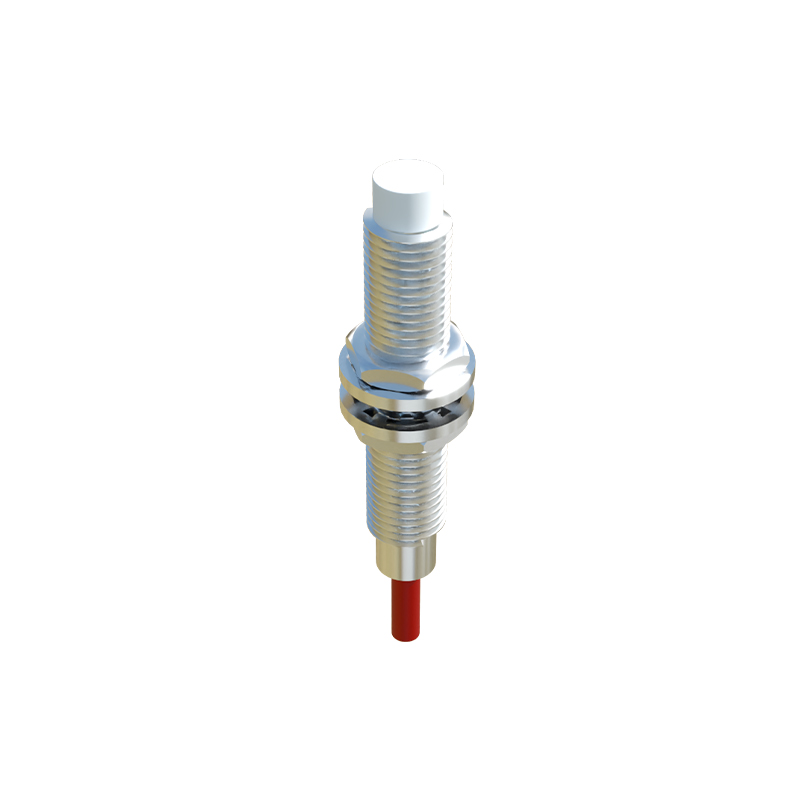
Proximity switches, including 220V AC models, operate based on electromagnetic, capacitive, or inductive principles. Inductive proximity sensors, for instance, generate an electromagnetic field and detect changes caused by metallic objects. The nominal sensing distance, often specified in datasheets, refers to the standard detection range under ideal conditions. For 220V AC inductive proximity switches, typical sensing distances range from a few millimeters to about 30 millimeters, depending on the design and target material. However, the actual effective distance can vary due to several factors.
First, the power supply voltage plays a role. While 220V AC is the operating voltage, fluctuations in the supply can affect sensor performance. Most industrial 220V AC proximity switches are designed to tolerate a voltage range, such as ±10% or 85-264V AC, but extreme deviations may alter the electromagnetic field strength, potentially reducing the sensing distance. It is crucial to ensure stable power within the specified range for consistent operation.
Second, environmental conditions impact distance. Temperature variations can cause thermal expansion or contraction of components, slightly shifting the sensing point. High humidity or contamination with dust, oil, or chemicals might interfere with the sensor's field, requiring derating—meaning the practical sensing distance should be less than the nominal value to ensure reliability. Industrial standards often recommend using 70-80% of the nominal distance in harsh environments.
Third, the target object's characteristics are critical. For inductive sensors, the sensing distance depends on the metal type, size, and shape. Ferrous metals like iron and steel are detected at the full nominal distance, while non-ferrous metals like aluminum or copper may reduce the distance by up to 50%. Additionally, the target must be large enough to interact effectively with the sensor's field; small or thin objects might decrease the range.
Fourth, installation and alignment matter. Improper mounting, such as embedding the sensor in metal surfaces without adequate clearance, can cause shielding effects that shorten the distance. Sensors should be installed according to manufacturer guidelines, with attention to lateral offsets and avoidance of adjacent metal objects that could interfere.
Modern 220V AC proximity switches often include features to mitigate distance variations. Some models offer adjustable sensitivity or built-in compensation circuits to maintain stable performance. However, these adjustments have limits and should not exceed the sensor's design parameters. Regular calibration and maintenance are advisable in precision applications.
In summary, 220V AC proximity switch sensors do have distance variations influenced by voltage stability, environment, target properties, and installation. Engineers should consult datasheets for nominal distances and derating factors, then test under actual conditions to determine the optimal setup. By understanding these aspects, users can ensure reliable detection and enhance system efficiency in industrial automation.