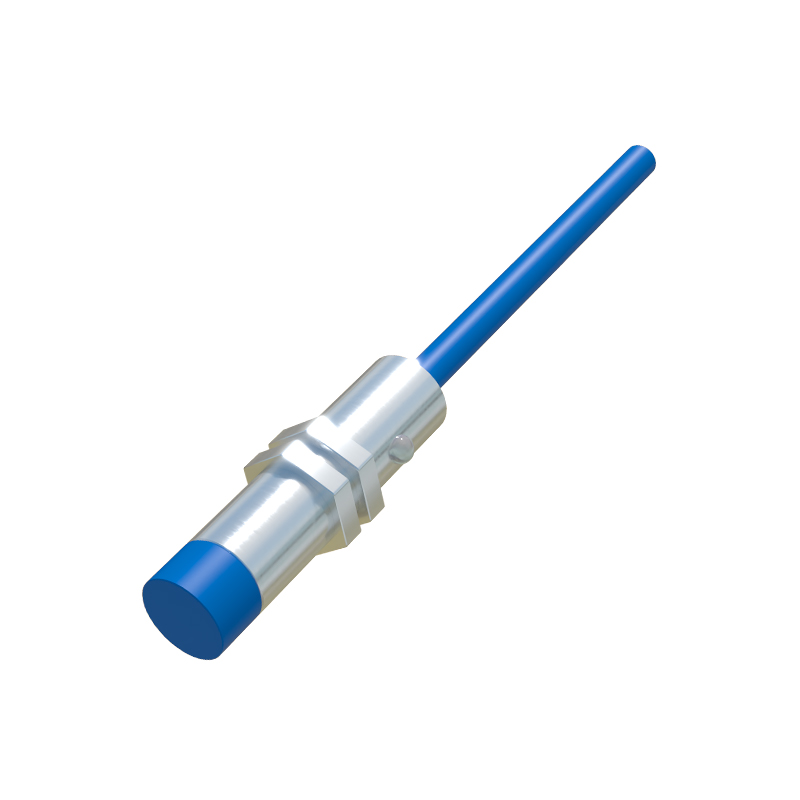
In the realm of industrial automation and machine design, the ability to detect the presence, absence, or position of an object without physical contact is paramount. Among the diverse family of proximity sensors, the diffuse reflective sensor stands out for its versatility and widespread application. This article delves into the operational principles, key advantages, common applications, and critical selection factors for diffuse reflective proximity sensors.
At its core, a diffuse reflective sensor, often simply called a diffuse sensor, is a type of photoelectric sensor. It operates on a straightforward principle: it contains both a light emitter (typically an LED) and a receiver (a phototransistor or photodiode) within a single housing. The emitter projects a beam of light—usually visible red, infrared, or laser—towards a target. When this beam strikes an object, the light is scattered or "diffused" in many directions. A portion of this scattered light reflects back to the receiver within the sensor. The sensor's internal electronics then evaluate the intensity of this returned light. If the intensity exceeds a pre-set threshold, the sensor's output switches state, indicating the detection of an object.
This self-contained, single-unit design differentiates it from other photoelectric types. Unlike through-beam sensors, which require a separate emitter and receiver unit placed opposite each other, diffuse sensors only need to be mounted on one side of the detection area. This simplifies installation, reduces wiring, and lowers cost. Compared to retro-reflective sensors, which rely on a dedicated reflector, diffuse sensors detect the object itself, eliminating the need for a separate reflector and allowing for detection of a wider variety of surfaces.
The advantages of diffuse sensors are numerous. Their one-sided mounting offers significant flexibility in cramped or complex machinery layouts. They are capable of detecting objects of various colors, textures, and materials, although the sensing distance is highly dependent on the target's size, color, and surface finish. Light-colored, matte surfaces reflect light well and allow for longer sensing ranges, while dark, shiny, or absorbent surfaces significantly reduce the effective range. Modern diffuse sensors often feature background suppression technology or fixed-field sensing. These advanced versions use triangulation principles to detect objects only within a specific, defined distance, effectively ignoring objects beyond that range or the background, which greatly enhances reliability in challenging environments.
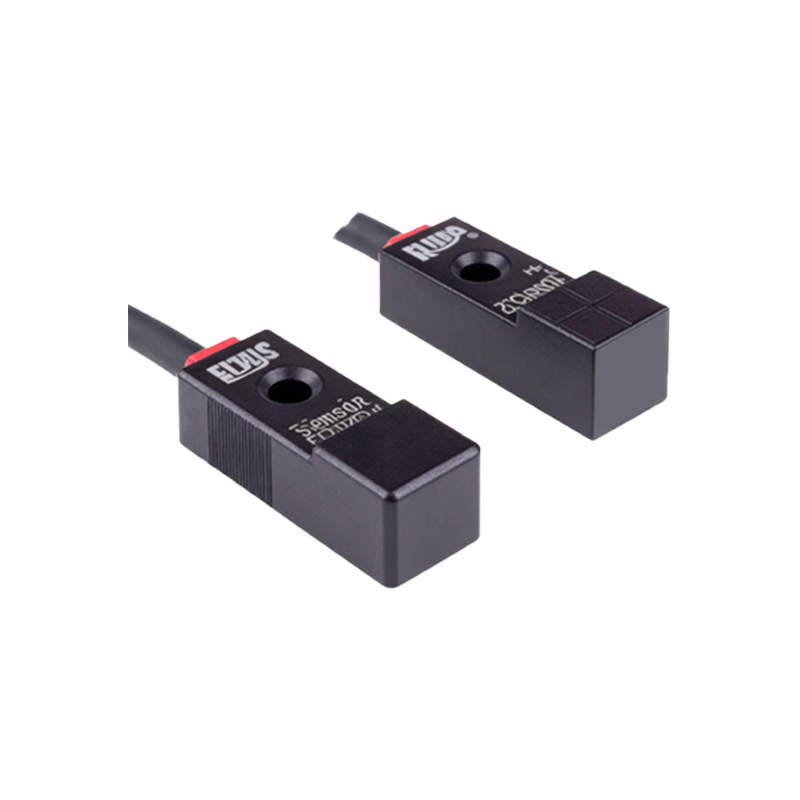
The applications for diffuse reflective sensors span virtually every industry. In packaging and material handling, they are used to detect the presence of boxes, bottles, or bags on conveyors, trigger filling operations, or count products. In the automotive sector, they verify part presence in assembly jigs or control robotic tooling. They are integral to printing machinery for paper jam detection and sheet counting. In electronics manufacturing, they ensure components are correctly positioned on PCBs. Their use in automated storage and retrieval systems for pallet detection is also common.
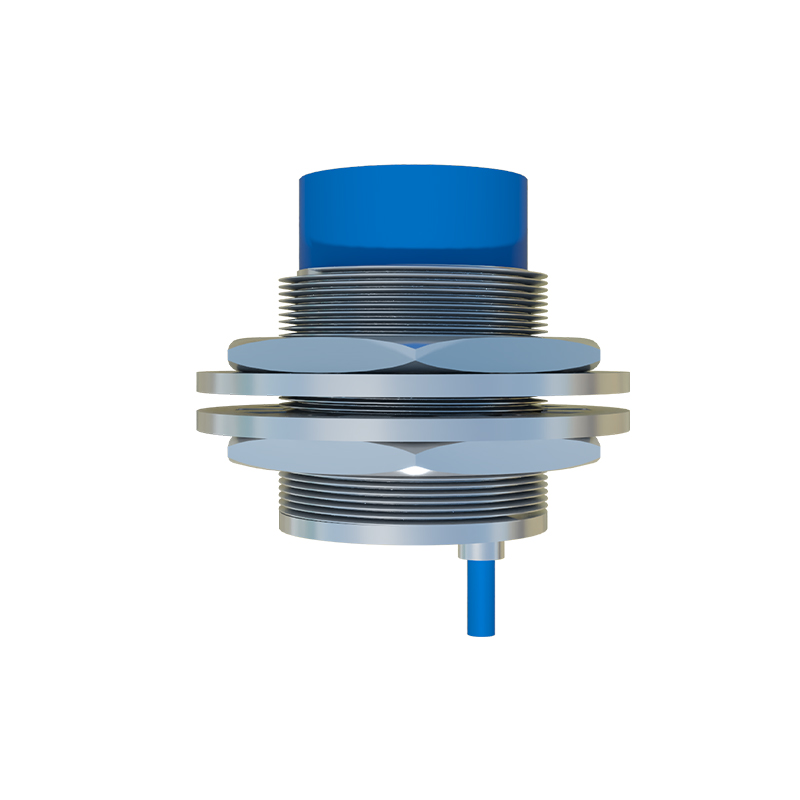
Selecting the appropriate diffuse sensor for an application requires careful consideration of several parameters. First, the required sensing distance must be determined, with a clear understanding that the published nominal range is typically based on a standard white test card. For dark targets, a substantial derating is necessary. The size, color, and reflectivity of the target object are the most critical factors influencing performance. Environmental conditions cannot be overlooked; factors such as ambient light (especially sunlight), dust, fog, or steam can interfere with the light beam. Sensors with modulated LED light and synchronous detection circuits offer high immunity to ambient light. The housing material (often metal or plastic) and ingress protection (IP) rating must suit the operational environment, whether it's a clean cabinet or a washdown area in food processing. Finally, the electrical output type (PNP/NPN, NO/NC analog, or IO-Link) must be compatible with the control system.
In conclusion, the diffuse reflective proximity sensor is a fundamental and highly adaptable component in automation. Its simple principle belies a sophisticated capability to solve a vast array of non-contact detection tasks. By thoroughly understanding its operating characteristics, limitations, and the nuances of the specific application, engineers and technicians can reliably integrate these sensors to enhance machine efficiency, safety, and intelligence. As sensor technology continues to evolve, features like longer ranges, better background discrimination, and smarter diagnostics will further solidify the diffuse sensor's role as an indispensable tool in the industrial landscape.