Proximity sensors are indispensable components in modern industrial automation, offering non-contact detection of objects with high precision and reliability. These sensors are widely deployed across various sectors due to their ability to operate in harsh environments, resist contamination, and provide consistent performance without physical wear. Understanding where to implement proximity sensors is crucial for optimizing efficiency, safety, and productivity in industrial settings.
In manufacturing and assembly lines, proximity sensors play a critical role in position detection and object counting. For instance, inductive proximity sensors are commonly used to detect metallic parts on conveyor belts, ensuring proper alignment before machining or packaging. Capacitive sensors, on the other hand, can identify non-metallic materials such as plastics, glass, or liquids, making them ideal for bottling or food processing industries. These sensors help in monitoring production flow, preventing jams, and triggering automated actions like sorting or labeling.
Robotics and automated guided vehicles (AGVs) heavily rely on proximity sensors for navigation and obstacle avoidance. Ultrasonic and photoelectric sensors enable robots to sense their surroundings, adjust movements, and handle objects with accuracy. In welding applications, magnetic proximity sensors ensure precise positioning of components, while in metal stamping, they verify the presence of sheets before pressing to avoid damage.
The automotive industry utilizes proximity sensors extensively in assembly and testing processes. They detect engine components, monitor tire installation, and control robotic arms during painting or welding. In safety systems, such as automatic doors or elevators, infrared proximity sensors prevent accidents by halting operation when an object is detected in the path.
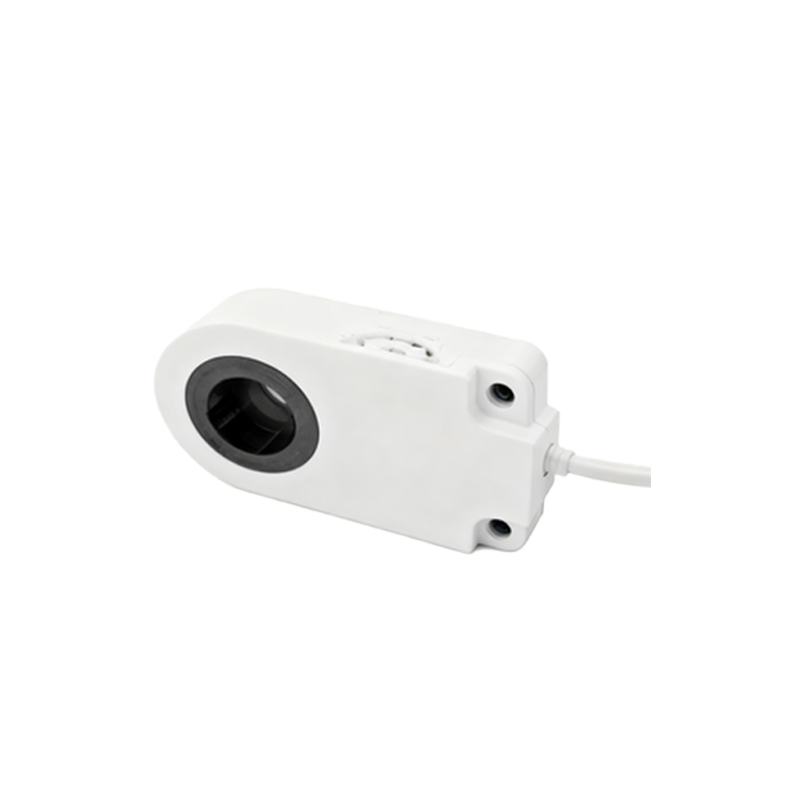
Proximity sensors are also vital in material handling and packaging. They monitor fill levels in silos or tanks using capacitive or ultrasonic variants, ensuring inventory management and preventing overflows. In printing and paper industries, sensors detect paper jams or misalignments, reducing downtime and waste.
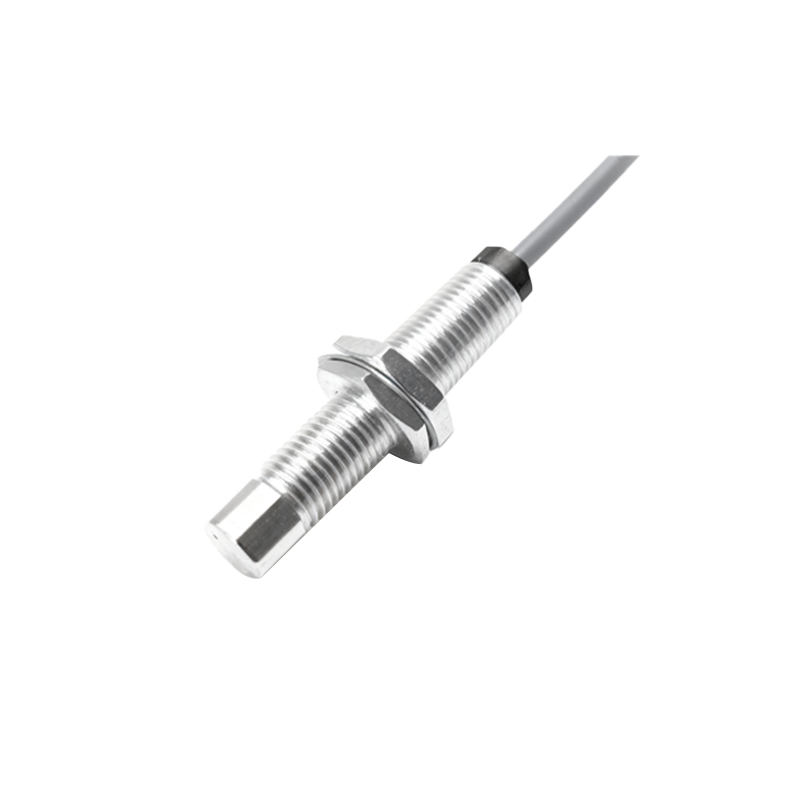
Energy and infrastructure sectors employ these sensors for monitoring and control. In wind turbines, proximity sensors track blade position and speed, while in conveyor systems for mining, they detect blockages or wear. Additionally, they are used in security systems for intrusion detection and in smart buildings to manage lighting or HVAC based on occupancy.
Selecting the right proximity sensor depends on factors like target material, sensing range, environmental conditions, and output requirements. Inductive sensors suit metallic objects, capacitive sensors handle diverse materials, and ultrasonic sensors work well for longer ranges or liquid levels. Proper installation—considering mounting, alignment, and interference avoidance—ensures optimal performance.
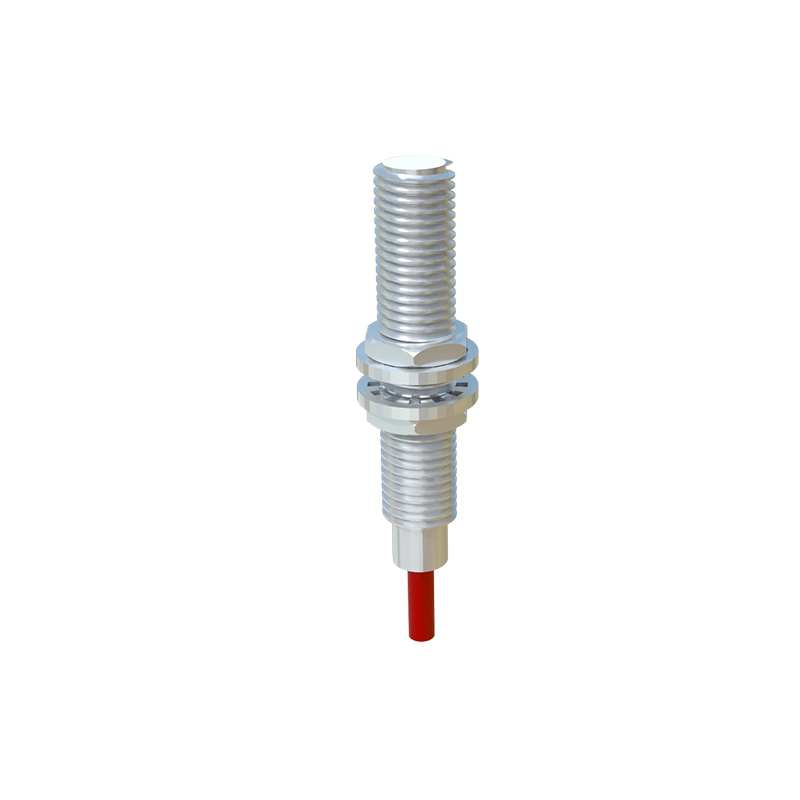
In summary, proximity sensors are foundational to industrial automation, enhancing precision and efficiency. Their applications span from manufacturing and robotics to safety and energy management, making them essential for modern industrial operations. By strategically deploying these sensors, industries can achieve higher automation levels, reduce costs, and improve overall system reliability.