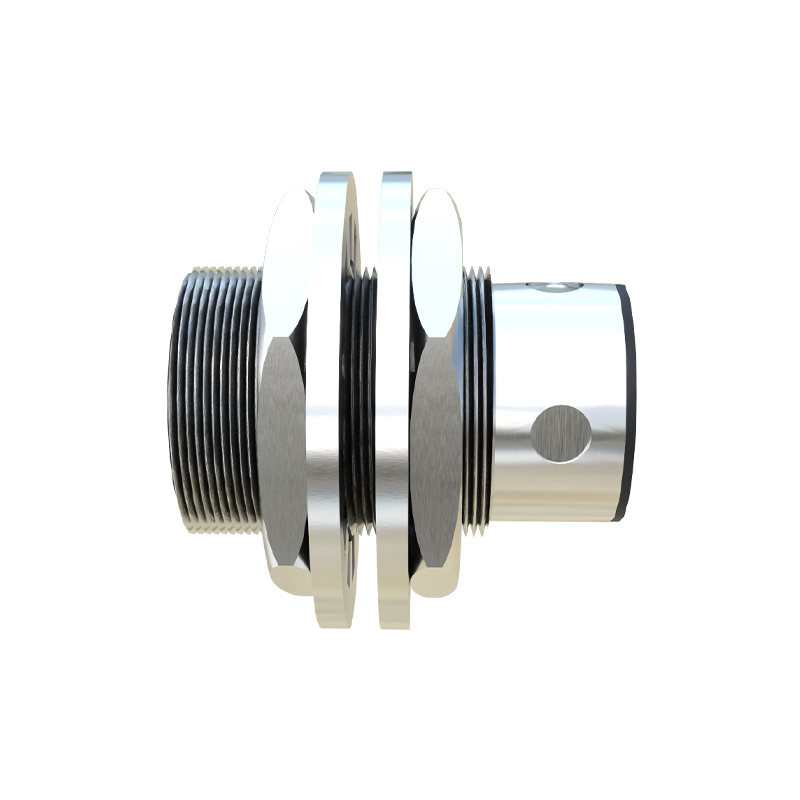
Proximity sensor housings play a critical role in protecting sensitive internal electronics from environmental hazards such as moisture, dust, chemicals, and mechanical impact. The manufacturing process and material selection directly influence the sensor's performance, durability, and suitability for specific industrial applications. This article delves into the core machining techniques and material science behind producing robust and reliable proximity sensor enclosures.
The primary manufacturing processes for sensor housings include injection molding, die casting, and CNC machining, each chosen based on material properties, production volume, and precision requirements. Injection molding is the predominant method for high-volume production of plastic housings. Engineering-grade thermoplastics like Polyamide (PA, Nylon), Polycarbonate (PC), and Polybutylene Terephthalate (PBT) are fed into a heated barrel, mixed, and forced into a mold cavity. Upon cooling and solidification, the part is ejected. This process allows for complex geometries, excellent repeatability, and integrated features like mounting brackets, cable glands, and internal ribs for component support. Key advantages include low per-unit cost at scale and fast cycle times. For metal housings, particularly those requiring high strength and EMI/RFI shielding, die casting of aluminum or zinc alloys is common. The molten metal is injected under high pressure into a steel mold, producing parts with good dimensional accuracy and a smooth surface finish. Post-casting, secondary operations like drilling, tapping, or milling may be required to achieve final tolerances.
For low-volume, high-precision, or prototype housings, CNC machining is the preferred choice. This subtractive manufacturing process uses computer-controlled mills and lathes to remove material from a solid block (billet) of metal or plastic. CNC machining offers unparalleled design freedom and the tightest tolerances (often within ±0.01mm), making it ideal for custom sensor designs, specialized alloys like stainless steel (e.g., 303, 316 for corrosion resistance), or high-performance plastics like PEEK. While more time-consuming and costly per part than molding or casting, it eliminates the need for expensive tooling, making it economical for small batches.
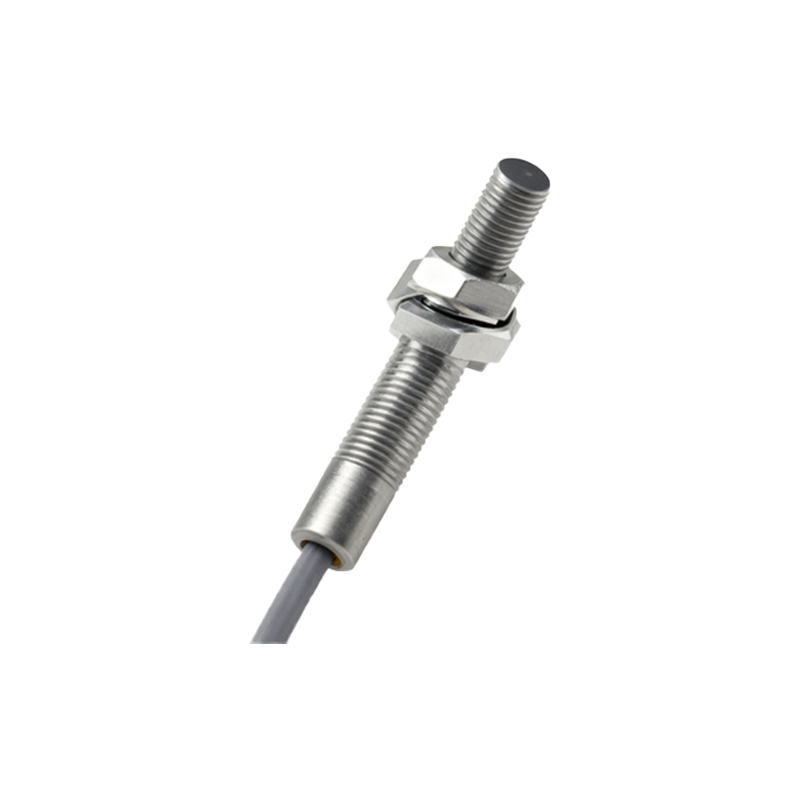
Material selection is a cornerstone of housing design. For plastic housings, the choice depends on the operating environment. Polyamide (Nylon) PA6 or PA66 offers excellent mechanical strength, good resistance to oils and fuels, and decent impact resistance. It is widely used in general industrial settings. Polycarbonate (PC) provides superior transparency (if needed for visual indicators) and very high impact resistance but can be susceptible to chemical attack. Polybutylene Terephthalate (PBT) excels in dimensional stability, high heat resistance (up to 150°C continuous), and strong resistance to a wide range of chemicals, making it suitable for automotive and harsh factory environments. For metal housings, aluminum alloys (e.g., A380) are lightweight, offer good corrosion resistance, and provide effective electromagnetic shielding. Stainless steel, particularly grade 316, is specified for applications requiring extreme corrosion resistance, such as in food processing, marine, or pharmaceutical industries.
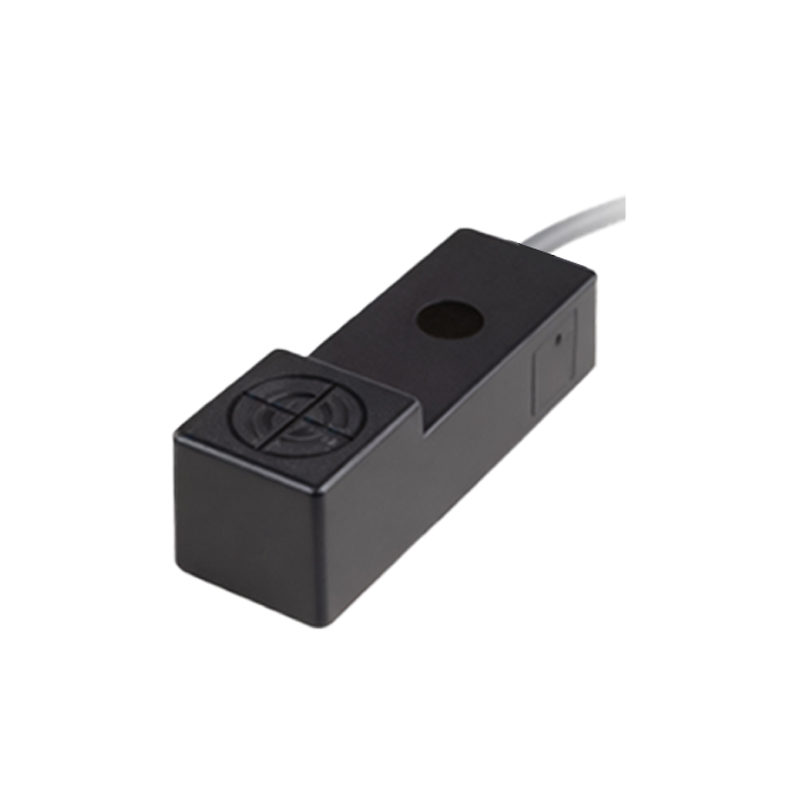
The manufacturing workflow involves several critical stages beyond primary forming. After the housing is produced, it often undergoes secondary finishing. This includes threading for conduit entries, laser engraving or pad printing for labels and logos, and surface treatments. For metals, anodizing (for aluminum) or passivation (for stainless steel) enhances corrosion resistance. Powder coating or plating may be applied for additional protection or specific color coding. Plastic parts might receive surface texturing to hide flow lines or improve grip. A crucial final step is the assembly and sealing process. High-quality housings incorporate sealing elements like molded-in gaskets, O-rings, or ultrasonic welding to achieve ingress protection ratings, commonly IP67 (dust-tight and protected against temporary immersion) or IP69K (protected against high-pressure, high-temperature jet washing).
In conclusion, the journey from raw material to a finished proximity sensor housing is a precise engineering endeavor. Selecting the optimal combination of manufacturing process—be it injection molding for cost-effective plastics, die casting for shielded metals, or CNC machining for precision prototypes—and material—engineered for specific mechanical, thermal, and chemical challenges—is paramount. This synergy ensures the final product delivers the reliability, longevity, and protection that modern industrial automation systems demand, safeguarding the sensor's functionality in the most demanding operational conditions.