In the industrial automation landscape, proximity sensors are indispensable components that enable non-contact detection of objects, ensuring efficiency, safety, and precision in various applications. As an experienced electrical engineer, I aim to provide a comprehensive guide on proximity sensor supply and quotation, addressing key factors that influence procurement decisions.
Proximity sensors operate on different principles, including inductive, capacitive, ultrasonic, and photoelectric technologies. Inductive sensors are ideal for detecting metallic objects, while capacitive sensors can handle non-metallic materials. Ultrasonic and photoelectric sensors offer longer detection ranges, suitable for complex environments. Understanding these technologies is crucial for selecting the right sensor, as it directly impacts performance and cost.
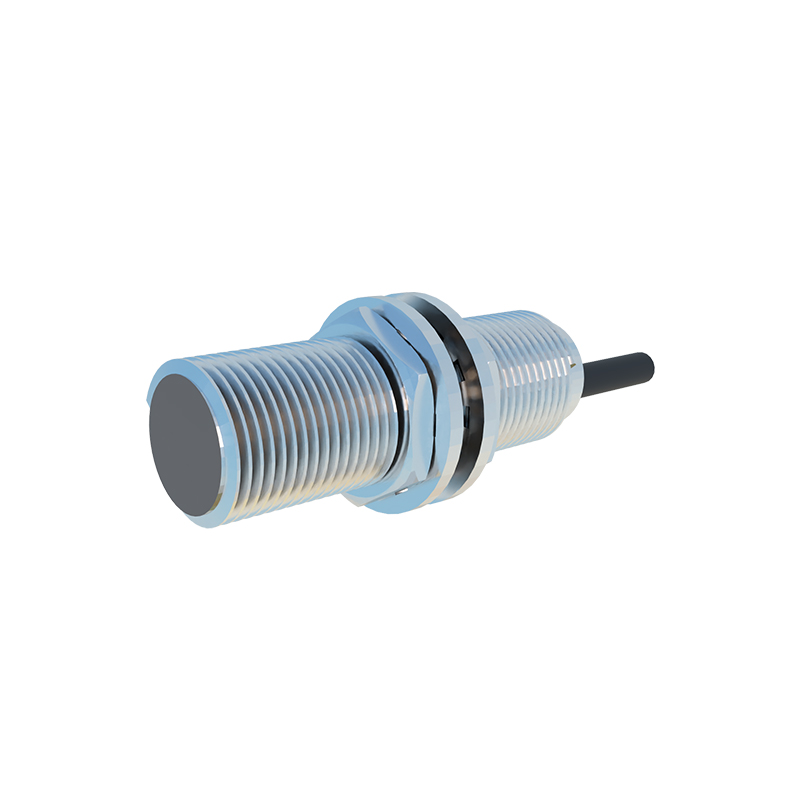
When sourcing proximity sensors, several factors affect supply and pricing. First, sensor specifications such as sensing range, output type (e.g., NPN/PNP, analog/digital), and housing material (e.g., stainless steel, plastic) play a significant role. High-precision sensors with extended ranges or specialized materials often command higher prices due to advanced manufacturing processes. Additionally, environmental ratings like IP67 or IP68 for dust and water resistance add to the cost but are essential for harsh industrial settings.
Supply chain dynamics also influence quotations. Global demand fluctuations, raw material availability, and logistics can lead to price variations. For instance, sensors with components sourced from specialized suppliers may have longer lead times and higher costs. It's advisable to engage with reputable suppliers who offer transparent pricing and reliable delivery schedules. Bulk purchasing typically reduces unit costs, but engineers must balance inventory management with project timelines.
Another critical aspect is customization. Many industrial applications require tailored solutions, such as custom cable lengths, connector types, or form factors. While off-the-shelf sensors are cost-effective, customized options involve additional engineering and production expenses, which should be factored into quotations. Always request detailed breakdowns from suppliers to avoid hidden costs.
In terms of market trends, the rise of Industry 4.0 and IoT integration has driven demand for smart proximity sensors with features like IO-Link communication or diagnostic capabilities. These advanced sensors offer enhanced data collection and predictive maintenance benefits but come at a premium. When evaluating quotations, consider long-term value, including energy efficiency, durability, and compatibility with existing systems.
To optimize procurement, engineers should conduct thorough needs assessments, comparing multiple supplier quotes. Key questions to ask include warranty terms, technical support, and compliance with industry standards like CE or UL. Online platforms and trade shows can provide insights into competitive pricing, but partnering with established brands often ensures quality and after-sales service.
In conclusion, navigating proximity sensor supply and quotations requires a blend of technical knowledge and strategic sourcing. By focusing on application requirements, market conditions, and total cost of ownership, industrial professionals can make informed decisions that enhance operational reliability and cost-effectiveness.