In the dynamic landscape of industrial automation, selecting the right proximity sensor is critical for ensuring operational efficiency, safety, and reliability. As a seasoned electrical engineer with extensive field experience, I have evaluated numerous models based on performance, durability, and application-specific needs. This article provides a professional recommendation of top-tier proximity sensor models that excel in various industrial environments, from manufacturing floors to harsh outdoor settings.
First, let's consider inductive proximity sensors, ideal for detecting metallic objects. The Omron E2E-X Series stands out for its exceptional performance. These sensors offer high sensitivity and a robust stainless-steel housing, making them resistant to cutting oils, coolants, and physical impacts. With sensing distances ranging from 2mm to 15mm, they are versatile for tasks like part presence detection on conveyor belts or position verification in assembly lines. Their consistent accuracy, even in environments with significant electrical noise, ensures minimal false triggers. For heavy-duty applications, the Sick IME Series provides remarkable durability. Encased in a rugged metal shell, these sensors can withstand extreme temperatures and high-pressure washdowns, common in food processing or automotive industries. Their advanced diagnostic capabilities, such as output status LEDs and short-circuit protection, simplify maintenance and reduce downtime.
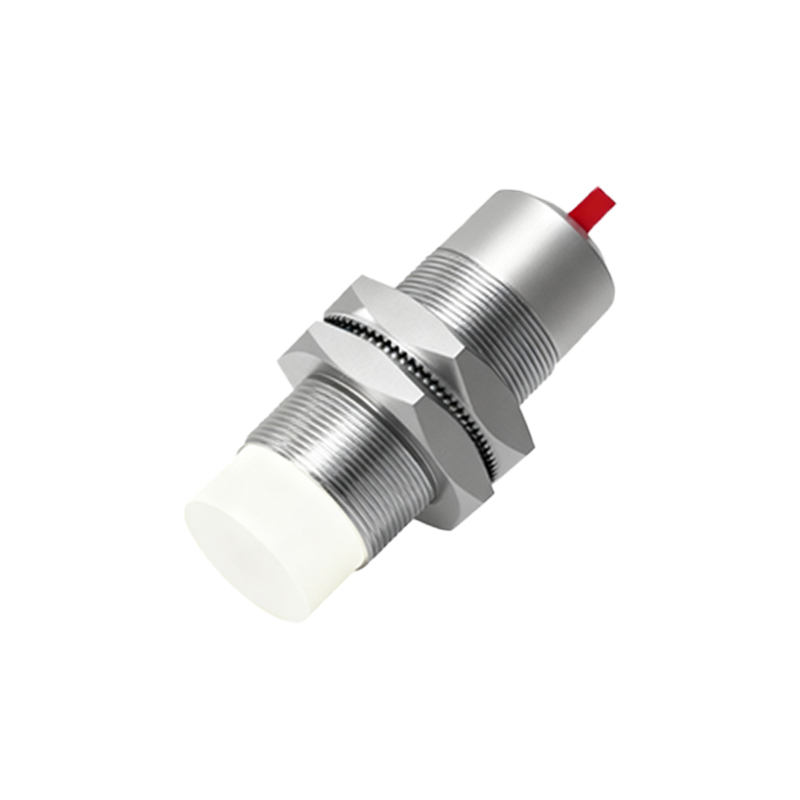
For non-metallic object detection, capacitive proximity sensors are indispensable. The Balluff BCS Series is a top recommendation. These sensors can detect materials like plastics, glass, liquids, and wood through non-metallic barriers. Featuring a compact design and adjustable sensitivity, they are perfect for level control in silos or detecting filled containers on packaging lines. Their immunity to environmental factors like dust or humidity ensures stable operation. Another excellent choice is the Pepperl+Fuchs C Series, known for its high switching frequency and analog output options. This allows for precise monitoring of material proximity, useful in applications such as web tension control in printing machines or edge guiding in textile manufacturing.
In environments where precise positioning is paramount, magnetic proximity sensors offer reliable solutions. The ifm SM Series is highly regarded for its longevity and precision. Utilizing reed switch technology, these sensors detect permanent magnets with exceptional repeat accuracy. They are commonly used in pneumatic cylinder position feedback, providing critical data for control systems in automated machinery. Their sealed design makes them suitable for wet or dusty conditions, often found in agricultural or construction equipment.
For applications requiring long-range detection or color-independent sensing, photoelectric sensors are superior. The Keyence PZ-V Series combines advanced technology with user-friendly features. With a sensing range of up to 2 meters and a focused beam, it accurately detects small objects, such as electronic components on PCBs. Its built-in amplifier simplifies setup, allowing engineers to adjust sensitivity via a potentiometer or teach-in function. In contrast, the Banner QS18 Series excels in versatility and toughness. Available in diffuse, retro-reflective, and through-beam models, it adapts to various layouts. The rugged housing resists impacts and chemicals, making it ideal for material handling in warehouses or robotic cell safety curtains.
Ultrasonic proximity sensors are optimal for challenging conditions involving transparent objects, liquids, or uneven surfaces. The Siemens 3RG Series delivers high performance with its sound cone technology, capable of detecting objects regardless of color, transparency, or material. It is extensively used in fill-level monitoring for tanks or distance measurement in automated guided vehicles (AGVs). Its programmable parameters enable customization for complex tasks, enhancing system integration.
When selecting a proximity sensor, key factors include sensing distance, environmental resistance (IP ratings), output type (PNP/NPN, analog, IO-Link), and supply voltage compatibility. Models with IO-Link communication, like the Balluff BNI Series, offer smart sensor capabilities, enabling real-time data exchange, parameter adjustment, and predictive maintenance alerts. This connectivity aligns with Industry 4.0 trends, boosting overall plant intelligence.
In summary, the optimal proximity sensor depends on specific operational demands. For metallic detection in harsh settings, Omron E2E-X or Sick IME models are reliable. Capacitive sensors like Balluff BCS excel with non-metallics, while magnetic ifm SM units ensure precise positioning. Photoelectric options from Keyence or Banner provide flexibility, and ultrasonic Siemens sensors handle unique material challenges. Investing in high-quality sensors from reputable brands minimizes failures, enhances safety, and supports long-term productivity. Regular calibration and adherence to manufacturer guidelines will maximize their lifespan and performance in any industrial application.