In the realm of industrial automation and control systems, proximity sensors play a pivotal role in enabling non-contact detection of objects, ensuring efficiency, safety, and reliability. Among the various packaging options available, the TO39 metal can encapsulation stands out as a robust and time-tested solution, particularly favored in demanding environments. This article delves into the technical aspects, applications, and advantages of TO39 metal can proximity sensors, providing insights for engineers and procurement specialists.
The TO39 package, characterized by its cylindrical metal housing, typically made of materials like stainless steel or nickel-plated steel, offers exceptional mechanical strength and environmental protection. This hermetic sealing is crucial for shielding sensitive semiconductor components—such as infrared LEDs, phototransistors, or Hall-effect chips—from external contaminants like dust, moisture, oils, and corrosive gases. In proximity sensing, this translates to consistent performance even in harsh settings, including automotive underhood applications, manufacturing floors with high vibration, or outdoor installations exposed to weather extremes.
Technically, TO39 proximity sensors operate based on principles like inductive, capacitive, or optical sensing, depending on the target material and detection requirements. For instance, inductive variants are ideal for detecting metallic objects without physical contact, leveraging electromagnetic fields generated by a coil within the can. The metal encapsulation not only enhances durability but also minimizes electromagnetic interference (EMI), ensuring signal integrity in electrically noisy industrial landscapes. Optical TO39 sensors, equipped with infrared emitters and detectors, excel in precise position sensing or object counting, where the sealed can prevents lens fogging or debris accumulation.

A key advantage of the TO39 form factor is its compact size and standardized footprint, which simplifies integration into existing circuit boards or assemblies. The can's design often includes a lens or window for optical types, optimized for specific sensing ranges and angles. Engineers appreciate the thermal management properties of the metal housing, which dissipates heat effectively, prolonging the lifespan of internal components under continuous operation. Moreover, TO39 sensors are compatible with automated soldering processes, such as reflow or wave soldering, making them cost-effective for high-volume production.
In practical applications, TO39 metal can proximity sensors are ubiquitous across industries. In automotive systems, they monitor wheel speed, gear position, or brake wear, contributing to advanced driver-assistance systems (ADAS). In industrial automation, they facilitate precise machine tool positioning, conveyor belt control, or robotic arm guidance. The medical field utilizes them in diagnostic equipment where hygiene and reliability are paramount, thanks to the sealed design that withstands sterilization procedures. Additionally, consumer electronics, such as printers or home appliances, leverage these sensors for safety interlocks or user interface enhancements.
When selecting a TO39 proximity sensor, engineers must consider parameters like sensing distance, response time, output type (digital or analog), and operating temperature range. The metal can's inherent shielding also aids in compliance with industry standards for electromagnetic compatibility (EMC) and ingress protection (IP ratings). As technology evolves, newer iterations incorporate advanced features like integrated signal conditioning or digital interfaces, yet the TO39 package remains a staple due to its proven resilience.
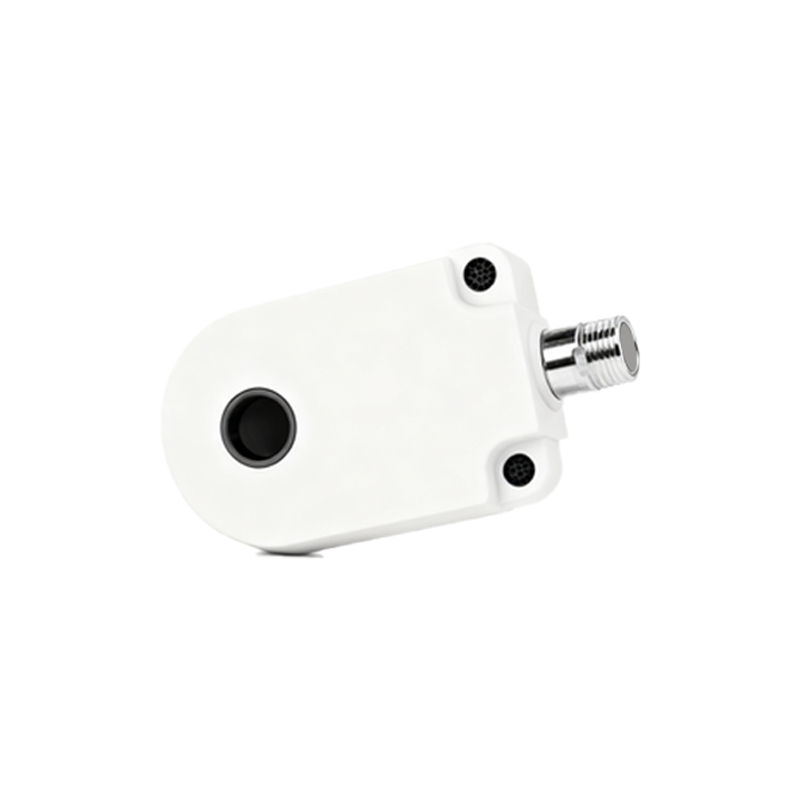
In conclusion, TO39 metal can proximity sensors represent a synergy of precision engineering and rugged design, offering a reliable solution for diverse sensing challenges. Their ability to endure tough conditions while maintaining accuracy makes them indispensable in modern industrial ecosystems. For professionals seeking durable, high-performance components, understanding the nuances of TO39 encapsulation can lead to optimized system designs and enhanced operational uptime.