In the realm of industrial automation and control systems, the reliability and precision of sensing components are paramount. Among these, the proximity switch sensor, particularly in the M4 form factor, stands out as a critical component for non-contact detection. This article delves into the technical specifications, operational principles, application scenarios, and selection criteria for the M4 proximity sensor, providing a detailed guide for engineers and technicians.
The M4 designation typically refers to the sensor's thread size, which is 4mm in diameter. This compact size makes it exceptionally suitable for applications where space is at a premium. Despite its small footprint, the M4 proximity sensor is engineered to deliver robust performance. These sensors are predominantly inductive, designed to detect metallic objects—primarily ferrous metals like steel and iron, though some variants are tuned for non-ferrous metals. The core operating principle involves an oscillator circuit that generates a high-frequency electromagnetic field at the active face of the sensor. When a metallic target enters this field, eddy currents are induced in the target, causing a change in the oscillation amplitude. This change is detected by the sensor's circuitry, which subsequently triggers a solid-state switch output.
Key technical parameters define the M4 sensor's capabilities. The sensing range, or nominal sensing distance (Sn), is typically very short, often between 0.5mm to 1.5mm, due to the small coil size. This short range is a design feature for precise positioning. The repeat accuracy is exceptionally high, often within microns, ensuring consistent operation. M4 sensors are available in various output configurations, including NPN (sinking) and PNP (sourcing) transistor outputs, as well as Normally Open (NO) or Normally Closed (NC) logic. The operating voltage range commonly spans from 10-30V DC, aligning with standard industrial control voltages. Furthermore, they are built to withstand harsh industrial environments, featuring high protection ratings like IP67, which denotes complete protection against dust and protection against temporary immersion in water.
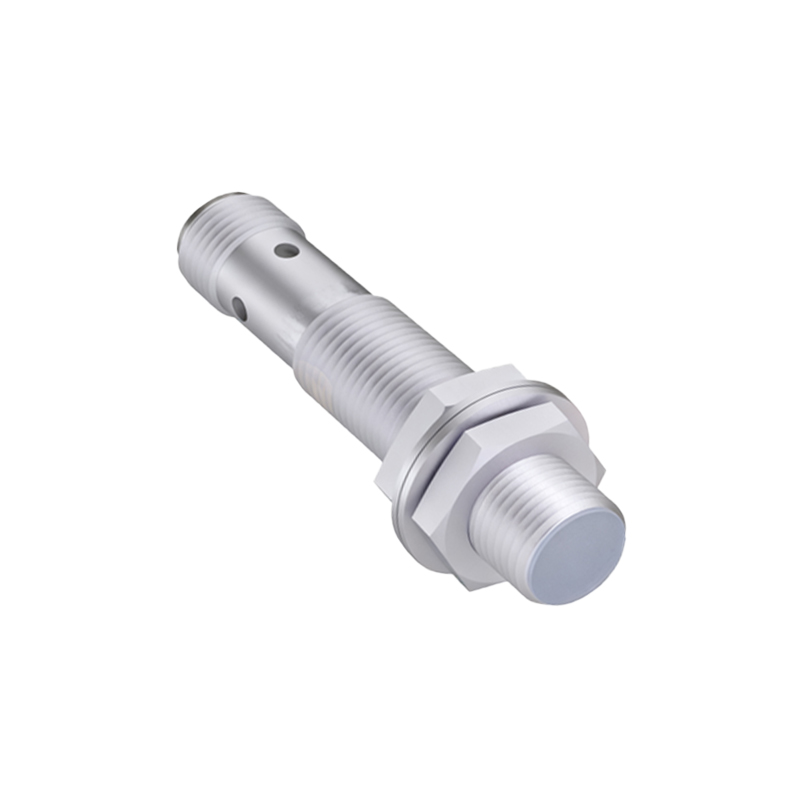
The application spectrum for M4 proximity switches is vast. They are indispensable in precision machinery such as CNC lathes and milling machines, where they are used for tool positioning, spindle orientation, and end-of-travel limit detection. In the electronics and semiconductor manufacturing industry, these sensors are deployed on pick-and-place machines, wafer handling robots, and miniature assembly lines to detect the presence of tiny components or PCBs. Another critical application is in automated packaging equipment, where they verify the presence of metallic lids, caps, or foil seals. Their small size also makes them ideal for integration into robotic grippers and end-effectors for part detection.
Selecting the right M4 proximity sensor requires careful consideration of several factors. First, the target material must be compatible; standard inductive sensors work best with steel, while special versions (e.g., with reduced sensing distance or different frequencies) are needed for aluminum, copper, or brass. The required sensing distance should be slightly less than the nominal Sn to account for tolerances and ensure reliable switching. Environmental conditions are crucial; factors like temperature extremes, presence of cutting fluids, coolants, or metal chips must be matched with the sensor's housing material (often stainless steel or nickel-plated brass) and protection rating. Electrical compatibility with the PLC or controller (NPN vs. PNP) is fundamental to proper circuit design. Finally, the switching frequency, or response time, must be adequate for high-speed applications.
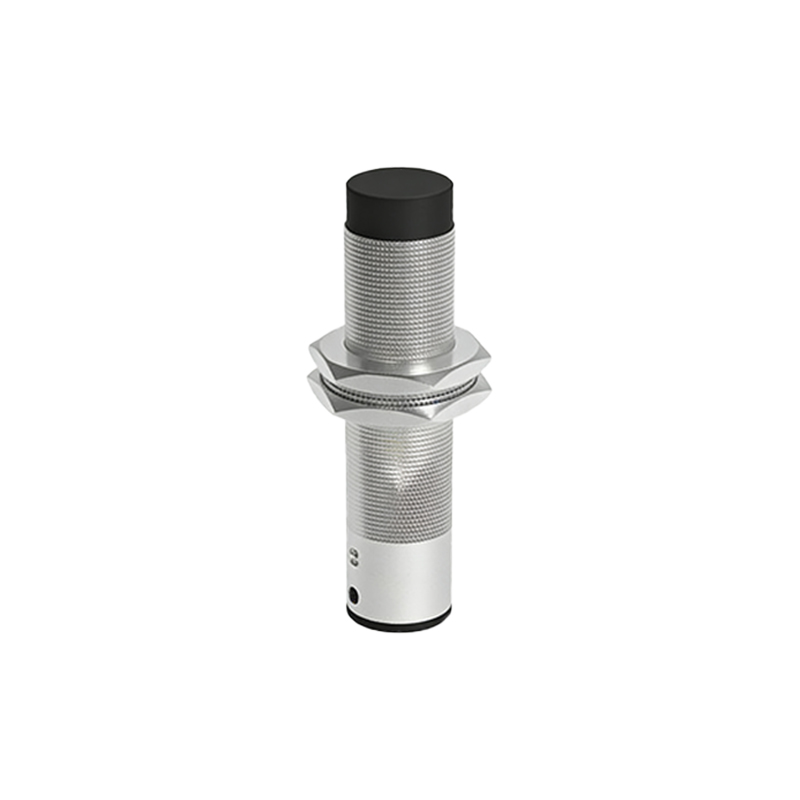
Installation and maintenance are straightforward but require attention to detail. Proper mounting is essential; the sensor should be securely threaded into place, ensuring the target approaches the active face perpendicularly. Adequate clearance around the sensor head is necessary to prevent false triggers from surrounding metal (the so-called "flush-mountable" feature). While these sensors are solid-state and have no moving parts, periodic checks for physical damage, buildup of debris on the sensing face, and verification of output signals are recommended as part of preventive maintenance.
In conclusion, the M4 proximity switch sensor is a masterpiece of miniaturized engineering, offering high precision and reliability in a tiny package. Its role in enabling automation, enhancing safety, and ensuring quality in modern manufacturing cannot be overstated. By understanding its technical nuances and application requirements, engineers can effectively leverage this powerful component to build more efficient, accurate, and resilient automated systems.