Proximity counting sensors are essential components in modern industrial automation, enabling non-contact detection and counting of objects across various manufacturing and processing lines. These sensors operate by emitting an electromagnetic field, light beam, or ultrasonic waves to detect the presence, absence, or passage of objects without physical contact. The selection of an appropriate proximity counting sensor depends on factors such as detection range, material composition of target objects, environmental conditions, and required counting accuracy. This article explores the primary types of proximity counting sensors used in industrial settings, detailing their operating principles, typical applications, and advantages.
Inductive proximity sensors are widely used for counting metallic objects. They generate an oscillating electromagnetic field from a coil and oscillator circuit. When a metallic object enters this field, eddy currents are induced, causing a change in oscillation amplitude. This change is detected by the sensor's circuitry, triggering an output signal. Inductive sensors are ideal for counting metal parts on conveyor belts, monitoring machine tool positions, or detecting metallic components in assembly lines. They offer high reliability, resistance to harsh environments (dust, moisture, and vibration), and fast response times. However, their detection range is limited, typically from a few millimeters to about 60 millimeters, and they cannot detect non-metallic materials.
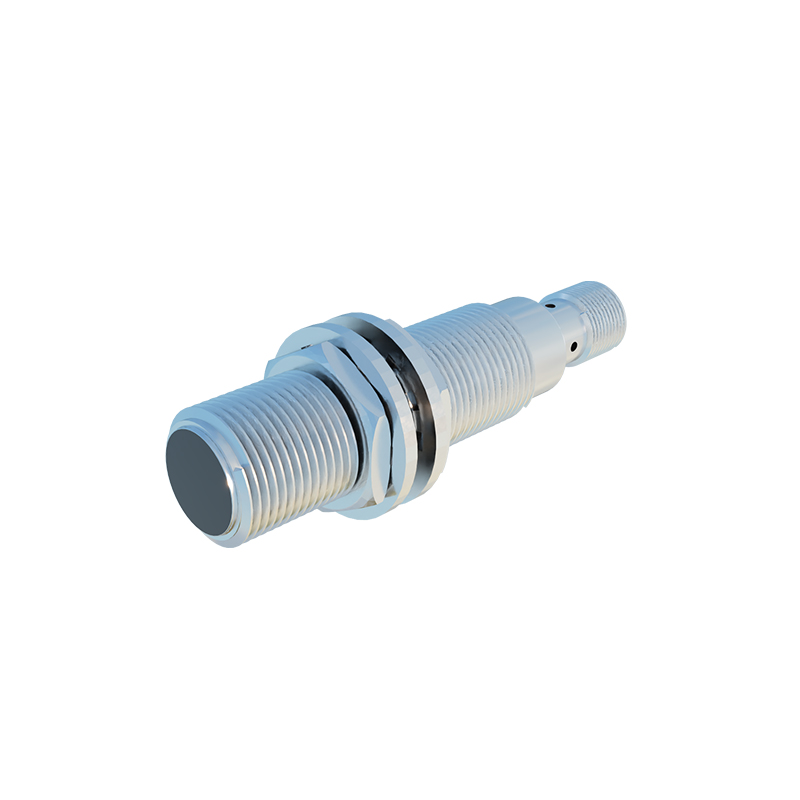
Capacitive proximity sensors can detect both metallic and non-metallic objects, including liquids, plastics, wood, and granular materials. These sensors utilize a capacitive coupling principle: they generate an electrostatic field between two electrodes. When an object enters this field, it alters the capacitance, which is measured by the sensor's circuit to produce an output signal. Capacitive sensors are suitable for counting containers filled with liquids, detecting plastic components, or monitoring material levels in hoppers. They often feature adjustable sensitivity to compensate for different material properties. While versatile, capacitive sensors may be influenced by environmental factors like humidity or temperature variations, and they generally have shorter detection ranges compared to other types.
Photoelectric sensors employ light beams (visible, infrared, or laser) to detect objects. They consist of a light emitter and a receiver. When an object interrupts or reflects the light beam, the receiver detects the change, triggering a counting signal. Photoelectric sensors are categorized into through-beam, retro-reflective, and diffuse-reflective types. Through-beam sensors have separate emitter and receiver units, offering long detection ranges (up to several meters) and high accuracy, making them excellent for counting fast-moving objects on packaging lines. Retro-reflective sensors use a reflector to bounce light back to the receiver, suitable for medium-range applications like carton counting. Diffuse-reflective sensors detect objects by reflecting light directly off the target, ideal for short-range counting where space is limited. Photoelectric sensors are highly precise and can detect small or transparent objects, but they may be affected by ambient light, dust, or dirt.
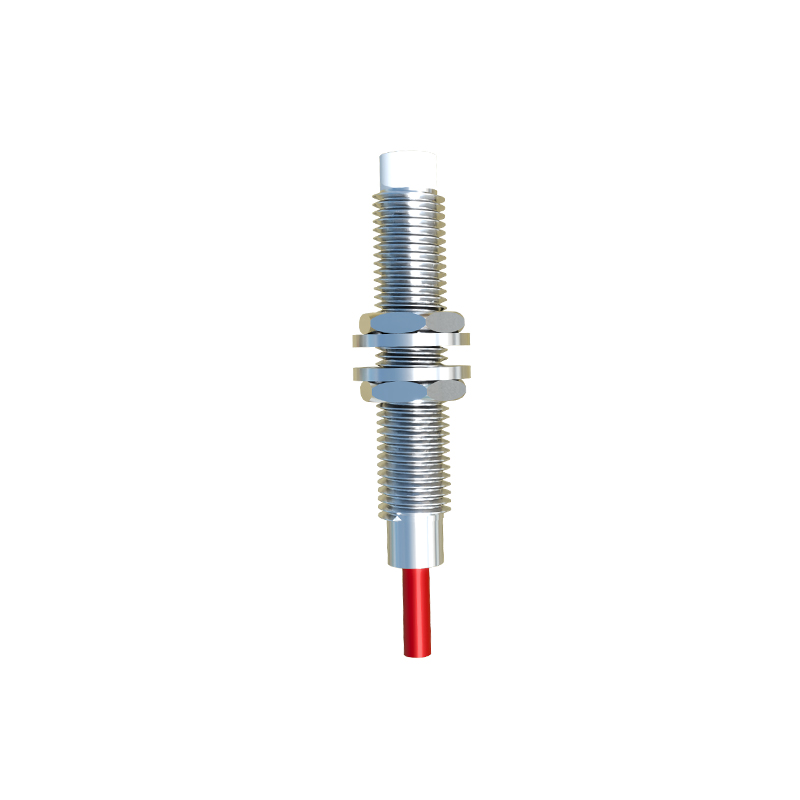
Ultrasonic proximity sensors use high-frequency sound waves (typically above 20 kHz) to detect objects. They emit ultrasonic pulses and measure the time taken for echoes to return after hitting an object. By calculating the time-of-flight, these sensors determine the presence and distance of targets. Ultrasonic sensors are effective for counting objects of various materials, including irregular shapes or transparent items, and are used in applications like liquid level monitoring, bulk material counting, or detecting objects in challenging environments (e.g., foggy or dusty areas). They offer long detection ranges (up to several meters) and are insensitive to color or light conditions. However, they may be influenced by temperature fluctuations or air turbulence, and their response time can be slower than other sensors.
Magnetic proximity sensors detect magnetic fields, often from permanent magnets attached to moving objects. They use reed switches or Hall effect elements to sense magnetic presence. When a magnet approaches, the sensor activates, generating a counting signal. These sensors are commonly used for counting revolutions in motors, detecting position in cylinders, or monitoring door openings in machinery. They are highly durable, with no moving parts, and operate reliably in extreme temperatures or wet conditions. However, their application is limited to scenarios where magnets can be integrated into targets.
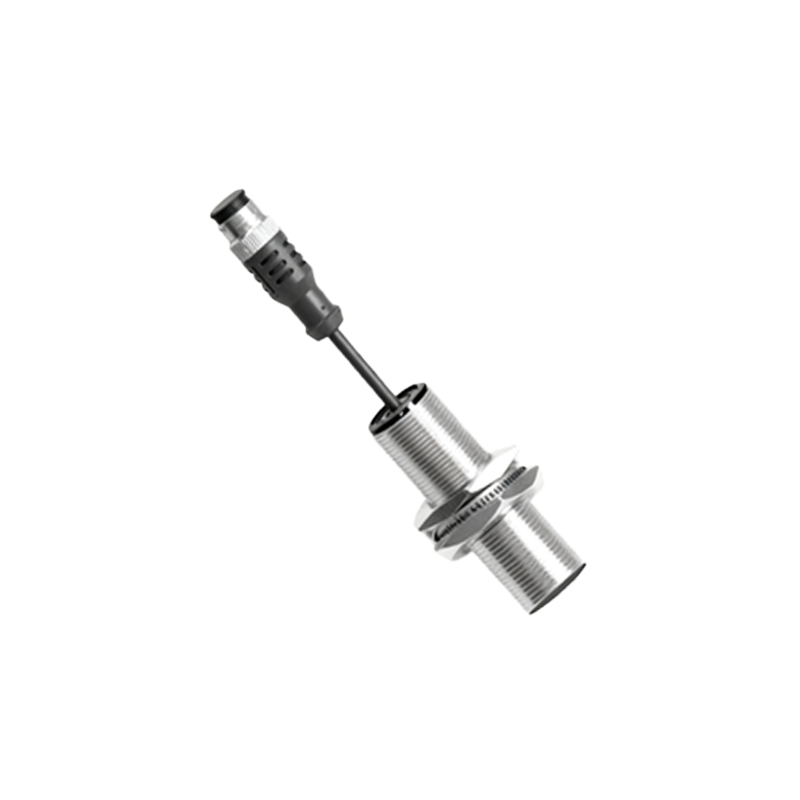
In summary, proximity counting sensors enhance efficiency and accuracy in industrial automation. Inductive sensors excel with metals, capacitive sensors handle diverse materials, photoelectric sensors offer precision for light-based detection, ultrasonic sensors provide versatility in harsh conditions, and magnetic sensors ensure reliability in magnetic environments. Choosing the right sensor involves evaluating object properties, environmental factors, and operational requirements to optimize counting performance and system integration. Regular maintenance, such as cleaning lenses or calibrating sensitivity, helps sustain long-term accuracy and reliability in counting applications.