For electrical engineers, automation specialists, and procurement professionals, determining the cost of a proximity sensor is a critical step in system design and budgeting. Unlike a simple commodity, the price of a proximity sensor is influenced by a complex matrix of technical specifications, performance requirements, and market factors. A basic, inductive tubular sensor for general metal detection might start as low as $15-$30 USD. However, this is merely the entry point. High-performance models featuring extended sensing ranges, specialized housings (e.g., stainless steel for washdown environments), or analog output capabilities can quickly escalate to the $75-$150 range. For more sophisticated technologies like capacitive (for non-metallic material detection) or ultrasonic sensors, prices commonly range from $50 to $200, with complex multi-function units exceeding $300.
The core technology is the primary cost driver. Inductive sensors, detecting metallic objects, are typically the most economical. Capacitive sensors, capable of sensing liquids, plastics, and other materials, command a higher price due to their more complex circuitry. Ultrasonic sensors, offering precise distance measurement, sit at a premium tier. Magnetic (reed or Hall effect) sensors are often low-cost for simple position detection. Laser distance sensors represent the high-end for precision, often costing several hundred dollars.
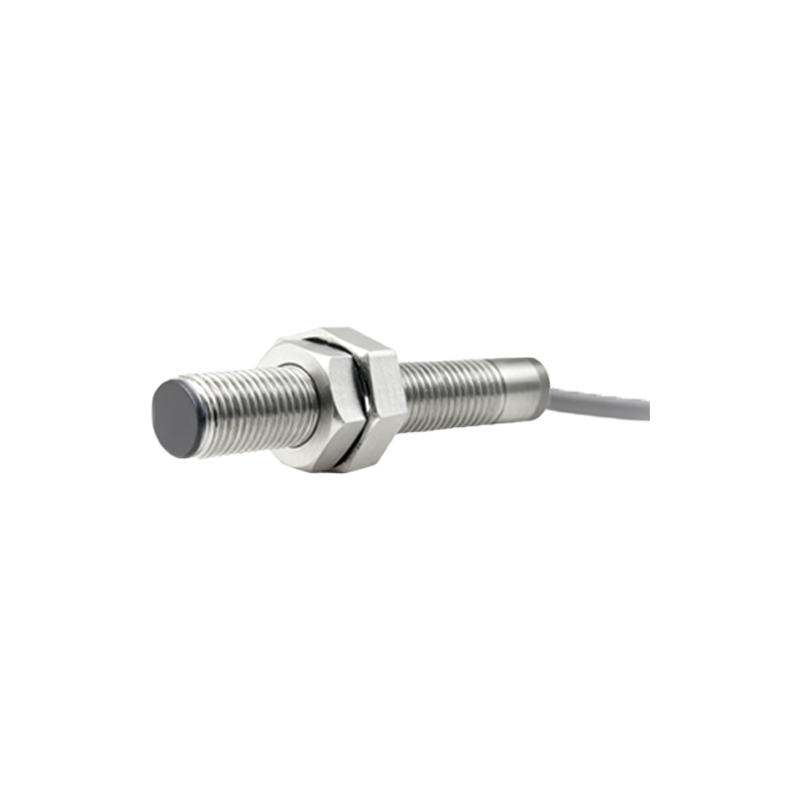
Beyond the core type, specifications drastically alter the price. Sensing range is pivotal; a sensor with a 2mm range is far less expensive than one rated for 20mm. The housing material is another significant factor. Standard plastic or nickel-plated brass is cost-effective, while ruggedized stainless steel or PBT housings for extreme temperatures, chemicals, or pressure wash environments add cost. Output configuration matters too. A basic 2-wire DC sensor is cheaper than a 3-wire NPN/PNP or a 4-20mA analog output device. Features like IO-Link communication for Industry 4.0 integration, teach-in functionality, or short-circuit protection add layers of functionality and cost.
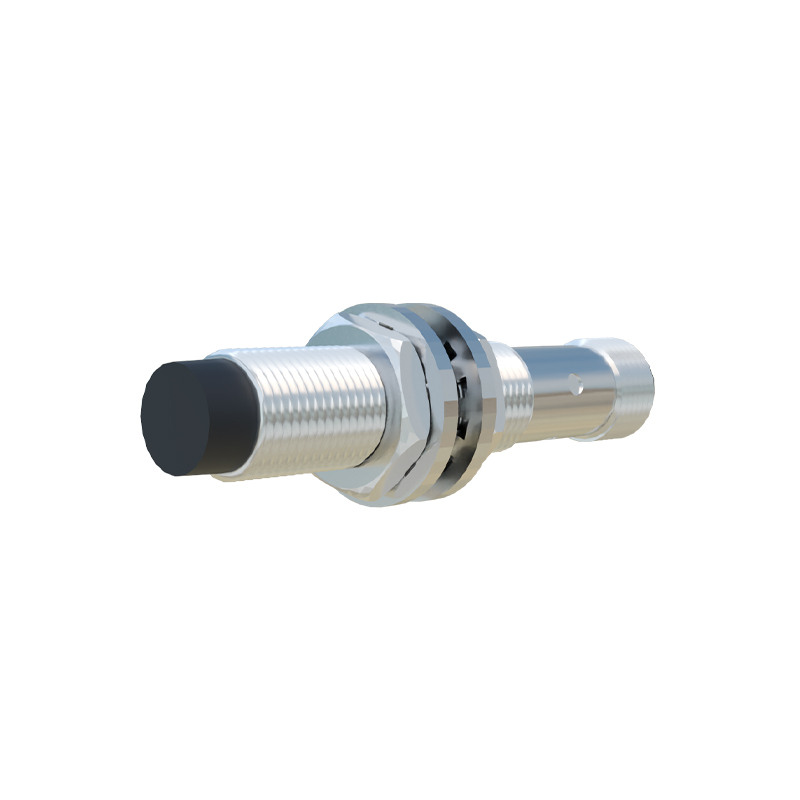
Brand reputation and supply chain positioning heavily influence market pricing. Established global brands like Siemens, Omron, Pepperl+Fuchs, and Balluff are associated with high reliability, extensive documentation, and global support, reflecting in a 20-40% premium over generic or lesser-known brands. However, these generic or regional brands can offer substantial savings for non-critical applications, though often with potential trade-offs in longevity or consistency. Purchasing volume is paramount. A single unit purchased from a distributor carries the highest unit cost. OEM volumes, involving direct contracts with manufacturers for hundreds or thousands of pieces, can reduce unit costs by 30-60%.
The total cost of ownership (TCO) must be considered beyond the initial purchase price (CAPEX). A cheaper sensor that fails prematurely, causing production line downtime, incurs immense operational expenses (OPEX). Factors like mean time between failures (MTBF), environmental rating (IP67/IP69K), and the availability of replacement parts or technical support are intangible costs embedded in the price of a reputable brand. For mission-critical applications in automotive, food & beverage, or pharmaceutical manufacturing, investing in a higher-priced, robust sensor is almost always the more economical long-term decision.
In conclusion, asking "how much does a proximity sensor cost" is akin to asking the price of a vehicle—the answer spans from a bicycle to a tractor-trailer. Engineers must begin with a precise specification: required sensing technology, target material, necessary range, environmental conditions, output signal, and required certifications. With this list in hand, obtaining quotes from multiple suppliers for different brand tiers and evaluating cost against the projected TCO will lead to the most technically sound and economically optimal procurement decision. Budgeting should therefore account for a range, from $20 for simple applications to over $500 for highly specialized, long-range, or intelligent sensing solutions.