In the realm of industrial automation and control systems, proximity switch sensors stand as critical components for non-contact detection. Among these, the UN2 series has established itself as a reliable and versatile solution. This article delves into the technical specifications, operational principles, application scenarios, and best practices for integrating the UN2 proximity sensor into modern industrial setups.
The UN2 proximity sensor operates primarily on the inductive sensing principle. It generates an electromagnetic field from its active face. When a metallic target, typically ferrous or non-ferrous metals like steel, aluminum, or copper, enters this field, it induces eddy currents. The sensor detects the resultant damping of the oscillation amplitude, triggering a solid-state output switch. This non-contact method ensures high reliability, minimal mechanical wear, and long operational life, making it ideal for harsh environments with dust, oil, or moisture.
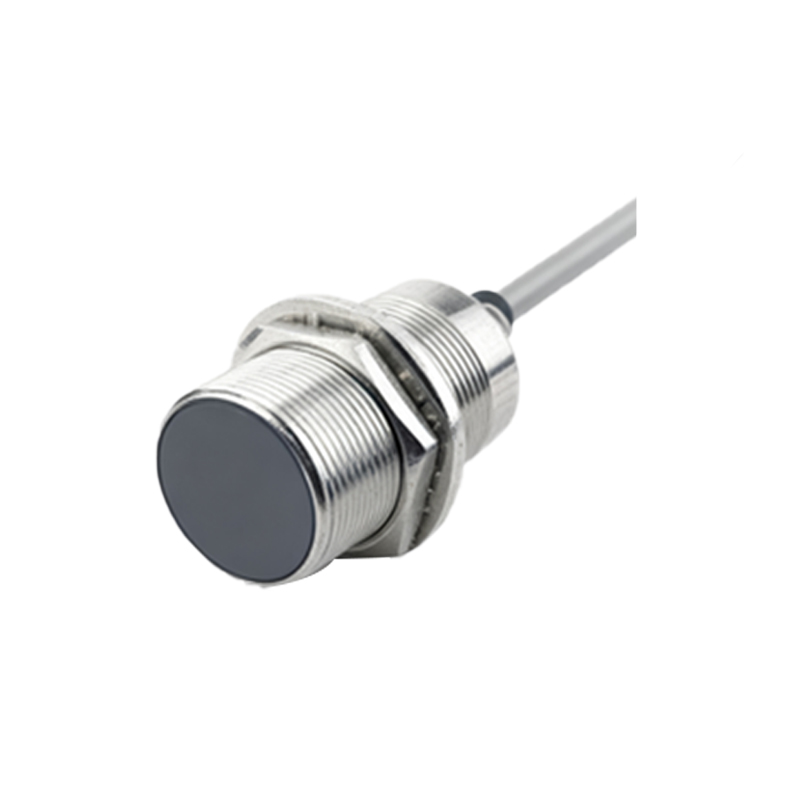
Key technical specifications of the UN2 series often include a sensing range varying from 1mm to 15mm, depending on the specific model and target material. It commonly features a DC 3-wire configuration (PNP or NCP output) or a 2-wire AC/DC version, with supply voltages ranging from 10-30V DC or 90-250V AC. The housing is typically constructed from nickel-plated brass or stainless steel, offering IP67 or higher ingress protection ratings. This robust design ensures resistance to mechanical impacts, cutting fluids, and washdown procedures. Response frequencies can reach up to 5 kHz, allowing for high-speed counting or positioning tasks.
Installation and wiring are straightforward but require attention to detail. For optimal performance, ensure the sensor is mounted securely without misalignment to the target's approach path. Maintain the specified sensing distance, accounting for factors like target material, size, and temperature. For instance, the effective sensing distance for mild steel is nominal, but for aluminum or copper, it reduces, often requiring a correction factor (e.g., 0.4 for aluminum). Always refer to the manufacturer's datasheet for precise derating curves. Wiring must follow the designated color codes: brown for positive (+V), blue for negative (0V), and black for the output signal. In noisy electrical environments, using shielded cables and proper grounding is crucial to prevent false triggering.
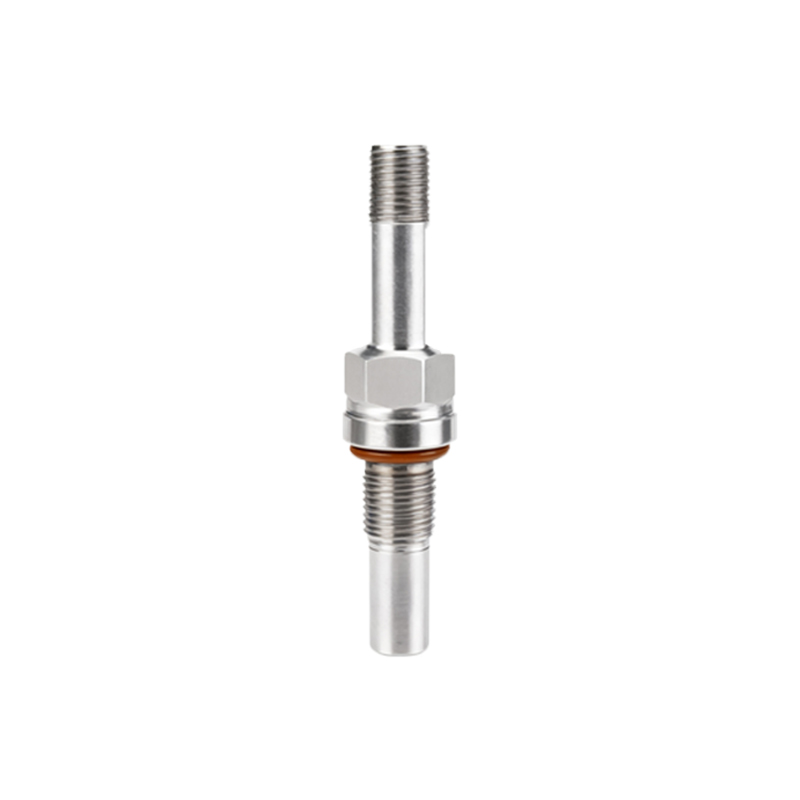
The applications for the UN2 proximity sensor are vast across industries. In automotive manufacturing, they are used for part presence verification on assembly lines, robotic arm end-position detection, and pallet counting in logistics. In packaging machinery, they monitor fill levels, detect missing caps, or control product ejection. Metalworking CNC machines utilize them for tool breakage detection, workpiece positioning, and door interlocking for safety. Their robustness also makes them suitable for material handling in food and beverage processing, despite frequent washdowns.
When selecting a UN2 sensor, consider the operating environment. For high-temperature applications near ovens or welding stations, choose high-temperature variants. In areas with strong magnetic fields or adjacent sensors, ensure sufficient mounting distance to prevent mutual interference—typically 2-3 times the sensor diameter. Regular maintenance involves visual inspection for physical damage and cleaning the sensing face from accumulated debris, which can attenuate the sensing field. Avoid using compressed air directly on the sensor, as it may force contaminants into the housing.
Troubleshooting common issues often involves a systematic approach. If the sensor fails to detect, verify the power supply voltage, check for wiring faults or loose connections, and confirm the target material and size meet specifications. False triggering might stem from electrical noise, vibration, or nearby metallic objects. Utilizing a stable power supply with adequate filtering and ensuring proper sensor shielding can mitigate these problems. For persistent issues, consulting the diagnostic LEDs (if available) on the sensor can indicate power status and output switching.
In conclusion, the UN2 proximity switch sensor represents a mature technology that continues to evolve with enhanced sensing distances, smarter diagnostics, and improved connectivity options like IO-Link. Its durability, precision, and adaptability make it a cornerstone in achieving efficient, safe, and automated industrial processes. By understanding its capabilities and adhering to installation guidelines, engineers can maximize system uptime and performance, ensuring seamless integration into both new and legacy automation frameworks.