In industrial automation, manufacturing, robotics, and countless other fields, proximity sensors are the silent, reliable sentinels that detect the presence or absence of objects without physical contact. The process of ordering these critical components, however, is far from a simple click-and-buy operation. Selecting the wrong sensor can lead to system failures, production downtime, and costly rework. This guide provides a structured approach to navigating the proximity sensor ordering process, ensuring you procure the ideal sensor for your specific needs.
The journey begins not with a product catalog, but with a thorough analysis of your application requirements. The first and most critical parameter is the sensing technology. Inductive sensors are the workhorses for detecting metallic objects, commonly used in machine tools and automotive assembly. Capacitive sensors can detect both metallic and non-metallic materials like plastics, wood, or liquids, making them suitable for level detection or packaging. Ultrasonic sensors use sound waves to measure distance or detect objects, excelling in harsh environments with dust or moisture. Photoelectric sensors, using light beams, offer the longest sensing ranges and are versatile for detecting a vast array of materials. Misunderstanding this fundamental choice is the primary source of ordering errors.
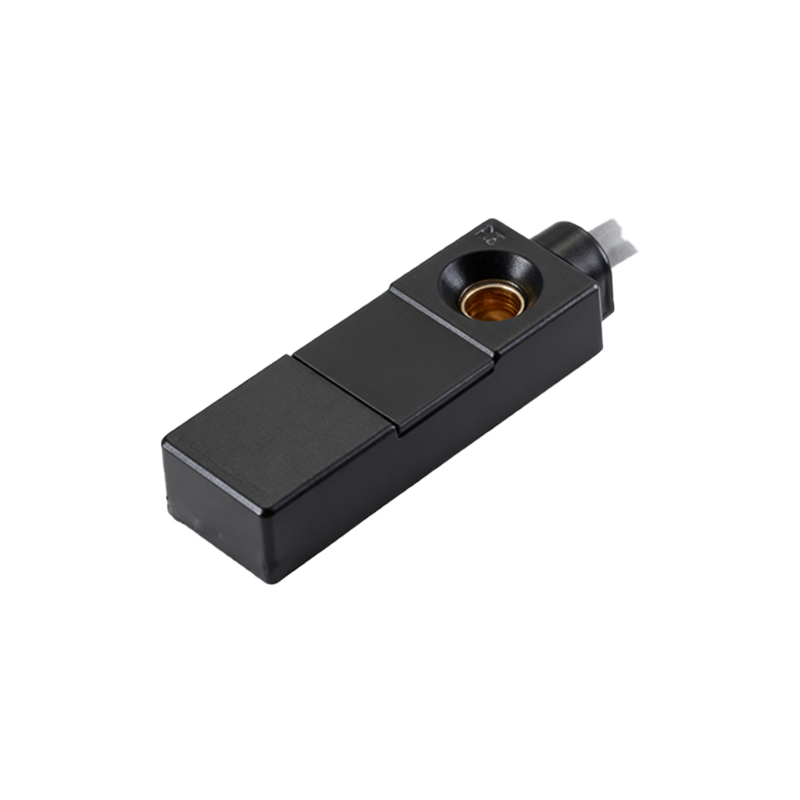
Once the technology is determined, a detailed specification list is your most valuable tool. Key electrical characteristics include the operating voltage (e.g., 10-30V DC, 90-250V AC) and output type. Do you need a simple two-wire AC sensor, a three-wire DC sensor with a PNP (sourcing) or NPN (sinking) transistor output, or an analog output (4-20mA, 0-10V) for distance measurement? The output current rating must also be sufficient to drive your connected load, such as a PLC input or a relay.
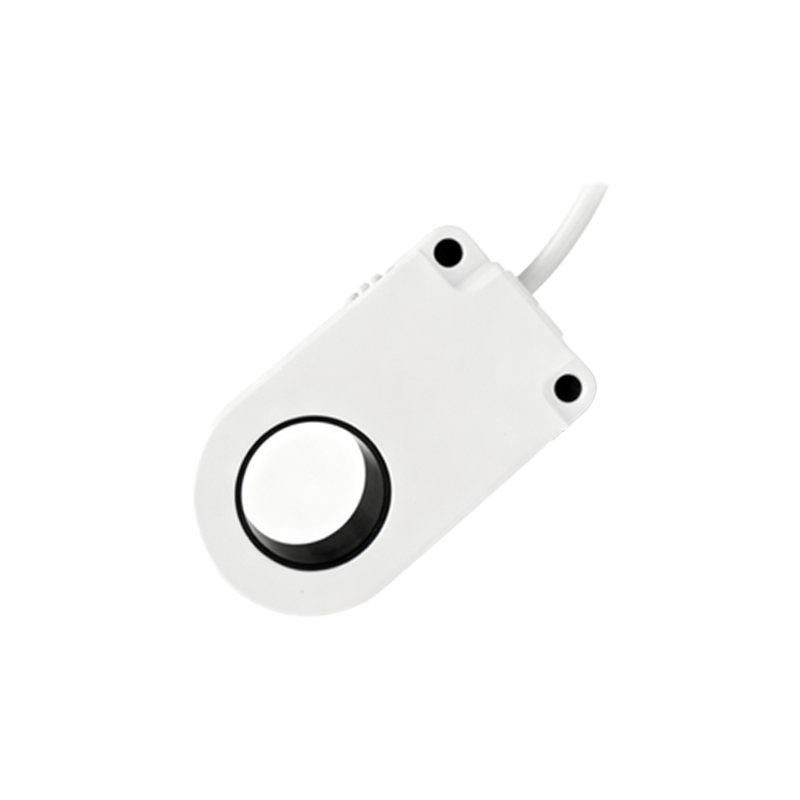
Physical and environmental factors are equally decisive. The required sensing distance, or nominal range, must be specified, typically choosing a sensor with a range 20% greater than your actual need to account for tolerances. The sensor's housing material—stainless steel, nickel-plated brass, or PBT plastic—must withstand the operating environment. Consider factors like exposure to chemicals, washdown conditions, extreme temperatures, and mechanical impacts. The size and form factor (barrel-style, rectangular, ring-shaped) must fit the mechanical constraints of your installation space. Don't forget the electrical connection: pre-wired cables, quick-disconnect M8 or M12 connectors, or terminal boxes.
With a complete specification sheet in hand, you can effectively engage with suppliers. Reputable distributors and manufacturers offer extensive online catalogs with parametric search filters. Utilize these tools to narrow down options by technology, sensing distance, housing style, and electrical specs. However, for complex applications, direct consultation with a technical sales engineer is invaluable. They can clarify nuances, such as the difference between shielded (flush-mountable) and unshielded sensors in metallic environments, or recommend specialized variants like analog sensors, high-temperature models, or those with IO-Link digital communication for advanced diagnostics.
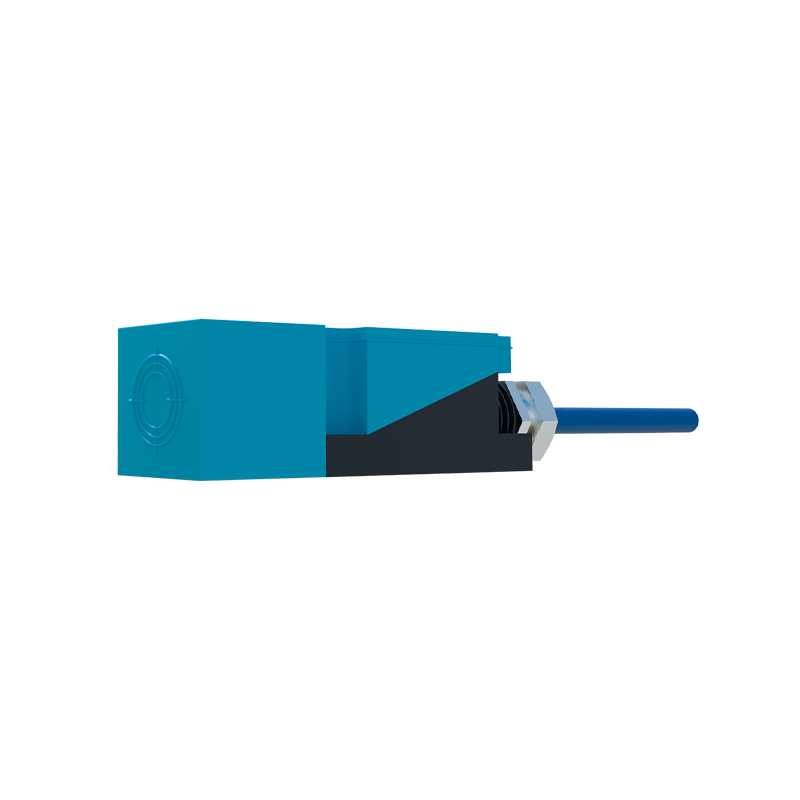
Finally, the ordering phase involves more than just a part number. Confirm pricing, availability (lead times can be significant), and minimum order quantities. Review the datasheet one final time against your requirements. Clarify packaging and documentation needs. For first-time applications or critical installations, consider ordering a single sample unit for testing and validation before committing to a full production batch. This step can prevent massive headaches down the line.
By methodically defining your application, specifying all technical parameters, consulting with experts, and validating your choice, the process of ordering proximity sensors transforms from a potential pitfall into a strategic procurement activity. This diligence ensures seamless integration, reliable operation, and long-term value for your automation investment.