In the vast landscape of industrial automation and consumer electronics, proximity sensors are indispensable components. A common and crucial question among design engineers and technical professionals is: what type of light do these sensors rely on for their operation? The answer is not monolithic, as different proximity sensor technologies employ different principles. However, for the widely used optical proximity sensors, the workhorse is typically infrared (IR) light.
Optical proximity sensors function by emitting a beam of light and detecting its reflection from a nearby object. The choice of infrared light, specifically in the near-infrared spectrum (wavelengths roughly between 850 nm and 950 nm), is deliberate and driven by several key engineering and practical considerations.
Firstly, infrared light is invisible to the human eye. This is a critical feature in many applications. In devices like smartphones, where a proximity sensor detects when the phone is held to the ear to turn off the display, using visible light would be distracting and aesthetically unpleasing. The invisible nature of IR ensures seamless user interaction.
Secondly, IR light sources, such as Light Emitting Diodes (LEDs) and sometimes laser diodes, are highly efficient, reliable, low-cost, and have a long operational life. Infrared LEDs can be modulated at high frequencies, which is essential for improving noise immunity. By pulsing the IR light at a specific frequency and tuning the receiver to detect only that frequency, the sensor can effectively filter out ambient light interference from sunlight, fluorescent lamps, or other artificial lighting. This modulation technique greatly enhances accuracy and reliability in diverse environmental conditions.
Thirdly, the near-infrared spectrum offers a good balance between absorption and reflection by common materials. While it is reflected sufficiently by most solid objects to be detected, it is less susceptible to certain environmental interferences compared to other wavelengths. It's important to note that some materials, like dark plastics or fabrics, may absorb IR more strongly, which can affect sensing range and must be accounted for during system design.
The basic architecture of an IR-based proximity sensor consists of an IR emitter and an IR photodetector (often a photodiode or phototransistor). They are placed close together but are optically isolated to prevent direct internal reflection. When an object enters the sensing field, the emitted IR light reflects off the object and is captured by the detector. The sensor's internal circuitry, often an Application-Specific Integrated Circuit (ASIC), then processes this signal. It measures the intensity of the reflected light, which correlates inversely with the square of the distance (following the inverse-square law for light in ideal conditions), to determine the object's presence and approximate distance.
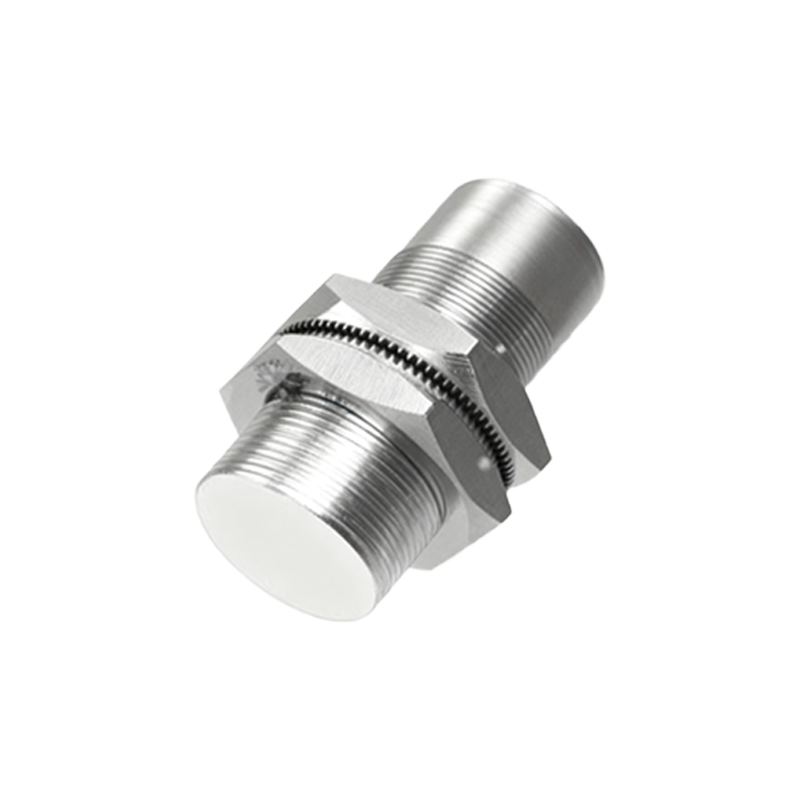
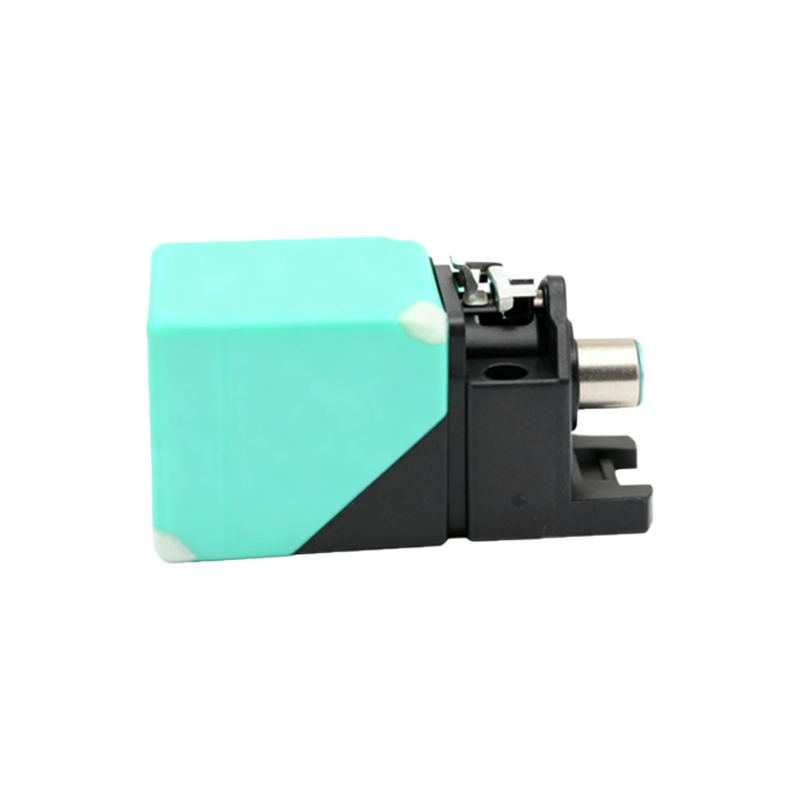
It is vital to distinguish this from other proximity sensing technologies. For instance, inductive proximity sensors detect metallic objects using an electromagnetic field, with no light involved. Capacitive sensors detect objects by changes in capacitance and also do not use light. Ultrasonic sensors use sound waves. Therefore, the domain of "light-based" proximity sensing is predominantly the realm of infrared technology.
However, advancements are ongoing. Some specialized applications or newer research prototypes might utilize other light wavelengths. For example, sensors using visible red light or even laser light (like in LiDAR) exist for specific high-precision or color-dependent sensing tasks. Yet, for the overwhelming majority of standard applications—from assembly line object detection and robotic navigation to touchless faucets and smartphone screens—the infrared proximity sensor remains the optimized, cost-effective, and robust solution.
In conclusion, when inquiring about the type of light used in common optical proximity sensors, infrared light is the definitive answer. Its invisibility, compatibility with efficient and modulatable solid-state emitters, and favorable interaction with the environment make it the ideal choice. Understanding this fundamental principle allows engineers to better select, integrate, and troubleshoot these sensors, ensuring optimal performance in everything from complex industrial machinery to the everyday electronic devices we interact with seamlessly.