In the realm of industrial automation and precision engineering, the demand for accurate, reliable, and non-contact measurement solutions is paramount. Among the array of technologies available, Laser Distance Sensors, particularly those utilizing the Multi-Layer Detection (MLD) principle, have emerged as a cornerstone for countless applications. This article delves into the operational principles, key advantages, and diverse industrial use cases of MLD laser distance sensors, providing a comprehensive overview for engineers and system integrators.
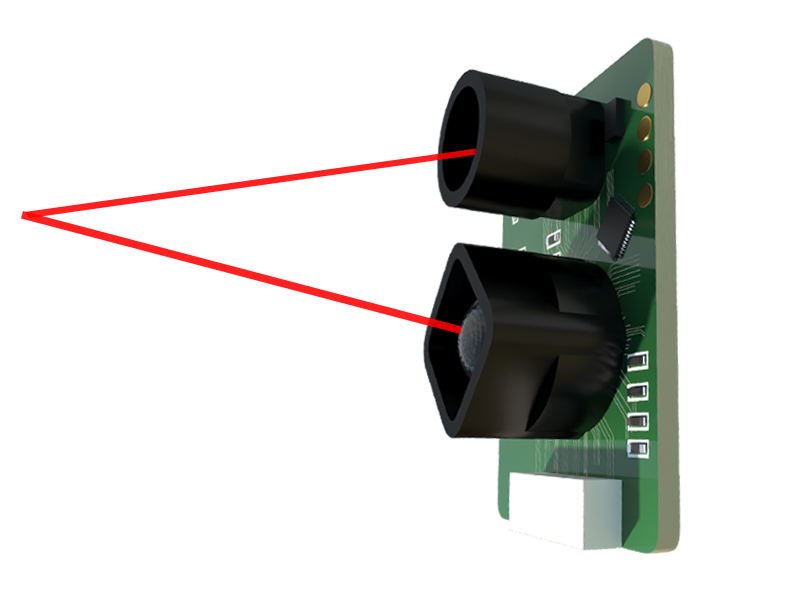
At its core, an MLD laser distance sensor operates by emitting a focused beam of laser light towards a target object. The sensor then detects the light reflected back. The fundamental principle for distance calculation is often based on time-of-flight (ToF) or phase-shift measurement. In the ToF method, the sensor precisely measures the time interval between the emission and reception of the laser pulse. Given the constant speed of light, the distance to the target is calculated with high accuracy. Phase-shift methods, on the other hand, modulate the amplitude of the laser beam and measure the phase difference between the emitted and reflected signals, offering exceptional resolution for shorter distances. The "Multi-Layer Detection" capability refers to advanced signal processing that allows the sensor to distinguish between the primary reflection from the target surface and potential secondary reflections from background objects or transparent layers, ensuring stable and accurate readings even in challenging environments.
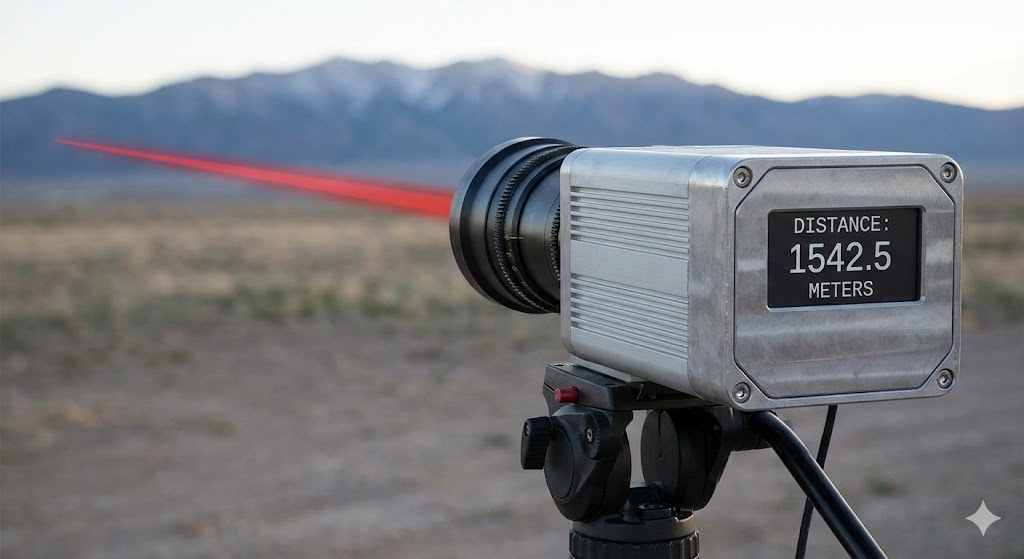
The advantages of MLD laser sensors are numerous, driving their widespread adoption. First and foremost is their exceptional precision and resolution, capable of micron-level measurements, which is indispensable in quality control and positioning tasks. Their non-contact nature eliminates the risk of damaging delicate surfaces or being affected by target wear, a significant limitation of tactile probes. Furthermore, these sensors offer high-speed measurement, enabling real-time process control in dynamic production lines. Robustness is another key feature; high-quality MLD sensors are designed with IP67 or higher ratings, making them resistant to dust, water jets, and typical industrial vibrations. Their versatility is demonstrated by a wide measuring range, from a few millimeters to several hundred meters, depending on the model. Finally, the integration of intelligent functions, such as programmable switching outputs, analog outputs (4-20mA, 0-10V), and various fieldbus interfaces (Profibus, EtherNet/IP, PROFINET), simplifies connectivity with PLCs and control systems.
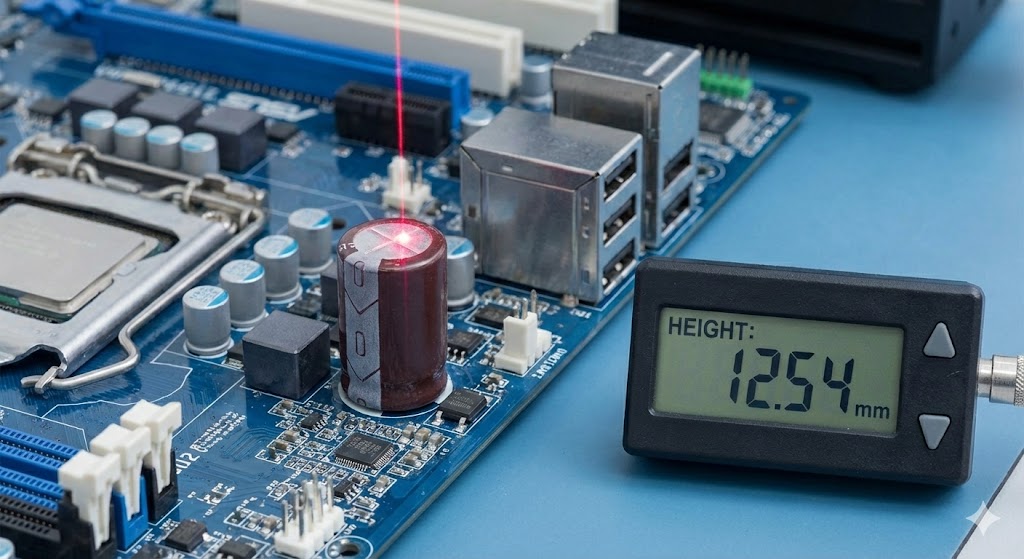
The application spectrum for MLD laser distance sensors is vast and continuously expanding. In the automotive industry, they are used for precise gap and flush measurement between body panels, brake disc thickness monitoring, and robot guidance during assembly. Within electronics manufacturing, they ensure the correct placement of components on PCBs and measure the thickness of coatings or substrates. In logistics and warehousing, they facilitate palletizing, dimensioning of packages, and level monitoring in silos or storage bins. The metal processing sector relies on them for measuring roll diameters, controlling strip thickness, and detecting edge positions. Additionally, they play a critical role in crane anti-collision systems, deformation monitoring of structures, and even in agricultural machinery for controlling implement height.
When selecting an MLD laser distance sensor for a specific application, several critical parameters must be considered. The required measuring range and resolution are primary determinants. The type of output needed—discrete (PNP/NPN switch), analog, or digital communication—must align with the existing control architecture. The laser class (typically Class 2, which is eye-safe under normal operating conditions) and the housing material (often stainless steel or ruggedized plastic) are vital for safety and durability. Environmental conditions such as ambient light interference, temperature fluctuations, and the presence of steam or dust should be evaluated against the sensor's specifications. Lastly, features like background suppression (a key aspect of MLD), teach-in functionality for easy setup, and integrated diagnostics can significantly enhance performance and reduce commissioning time.
In conclusion, MLD laser distance sensors represent a mature yet continually evolving technology that provides a critical link between the physical world and digital control systems. Their combination of high precision, robustness, and flexibility makes them an invaluable tool for enhancing productivity, ensuring quality, and enabling advanced automation across virtually every industrial sector. As Industry 4.0 and smart factory concepts advance, the role of precise, networked measurement devices like MLD sensors will only become more central to efficient and intelligent manufacturing operations.