Proximity magnetic sensors are fundamental components in modern industrial automation, automotive systems, and consumer electronics. These devices detect the presence or absence of a magnetic object without physical contact, relying on changes in magnetic fields. The core principle revolves around the interaction between a sensor's internal magnetic field and an external magnetic target, typically a permanent magnet or ferromagnetic material. When a target approaches the sensor, it alters the magnetic flux density, triggering a measurable response such as a voltage change, resistance shift, or digital signal output.
There are several types of proximity magnetic sensors, each based on distinct physical phenomena. Hall effect sensors are among the most common. They operate on the Hall effect, discovered by Edwin Hall in 1879. When a current-carrying conductor or semiconductor is placed in a perpendicular magnetic field, a voltage difference—known as the Hall voltage—is generated across the material. This voltage is proportional to the magnetic field strength. In practice, a Hall sensor integrates a thin semiconductor plate with an amplifier and signal conditioning circuitry. As a magnetic target nears, the changing magnetic field induces a Hall voltage, which is processed to produce a clean output signal, often used for position sensing, speed detection, or current measurement.
Another prevalent type is the magnetoresistive sensor. These sensors exploit the magnetoresistance effect, where the electrical resistance of certain materials changes in response to an external magnetic field. Anisotropic magnetoresistive (AMR) sensors, for instance, use ferromagnetic alloys whose resistance varies with the angle between the magnetization direction and the current flow. Giant magnetoresistive (GMR) sensors offer higher sensitivity by utilizing multilayer structures where resistance changes significantly with magnetic field variations. Magnetoresistive sensors are ideal for applications requiring high precision, such as in automotive braking systems or medical devices, due to their ability to detect subtle magnetic fluctuations.
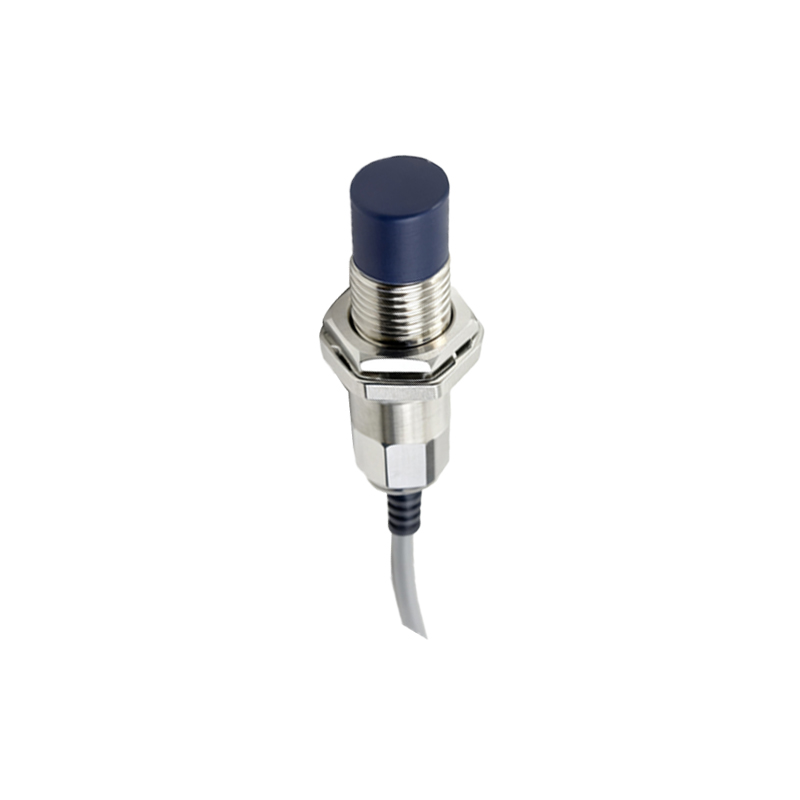
Reed switches represent a simpler, electromechanical form of proximity magnetic sensing. A reed switch consists of two ferromagnetic reeds sealed within a glass tube filled with inert gas. When exposed to a magnetic field from a nearby target, the reeds magnetize and attract each other, closing an electrical circuit. Once the magnetic field is removed, the reeds spring back to their open position. While less durable than solid-state sensors, reed switches are valued for their simplicity, low power consumption, and reliability in low-frequency applications like security systems or door sensors.
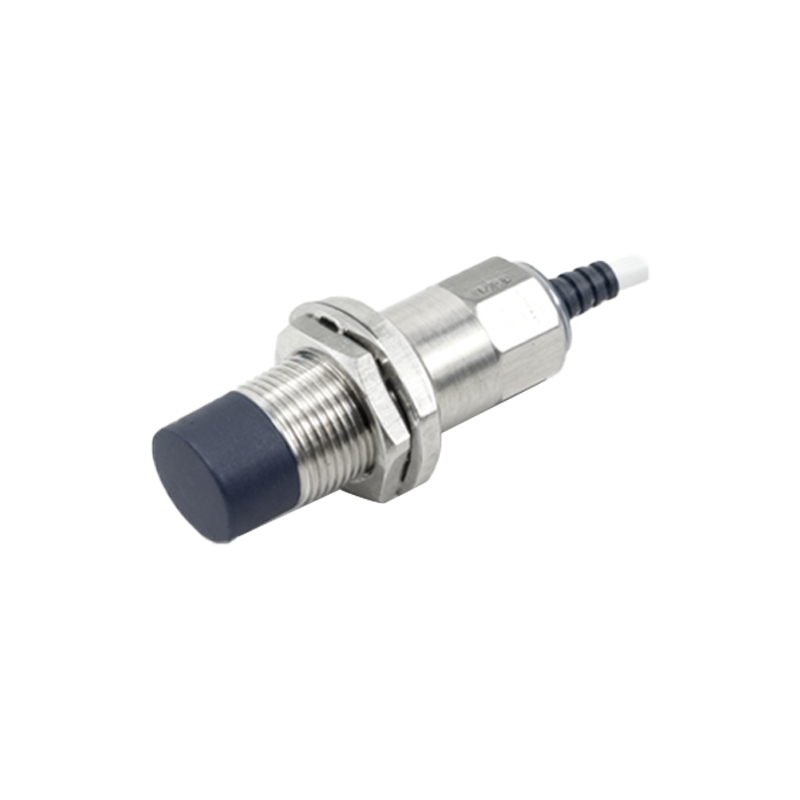
The operation of proximity magnetic sensors involves key parameters that define their performance. Sensing distance, or the maximum range at which a sensor can detect a target, depends on factors like magnetic field strength, sensor sensitivity, and target material. Hysteresis is another critical aspect, referring to the difference in the switch-on and switch-off points, which prevents signal chatter in noisy environments. Additionally, response time, temperature stability, and immunity to electromagnetic interference are vital for ensuring accuracy in harsh industrial settings.
In industrial automation, these sensors are ubiquitous. They monitor the position of machine parts, count objects on conveyor belts, and ensure safety by detecting the closure of guards or doors. In automotive contexts, they measure wheel speed for anti-lock braking systems, detect gear positions, or manage electric power steering. Consumer electronics, such as smartphones and laptops, use miniature magnetic sensors for features like flip covers or compass functions.
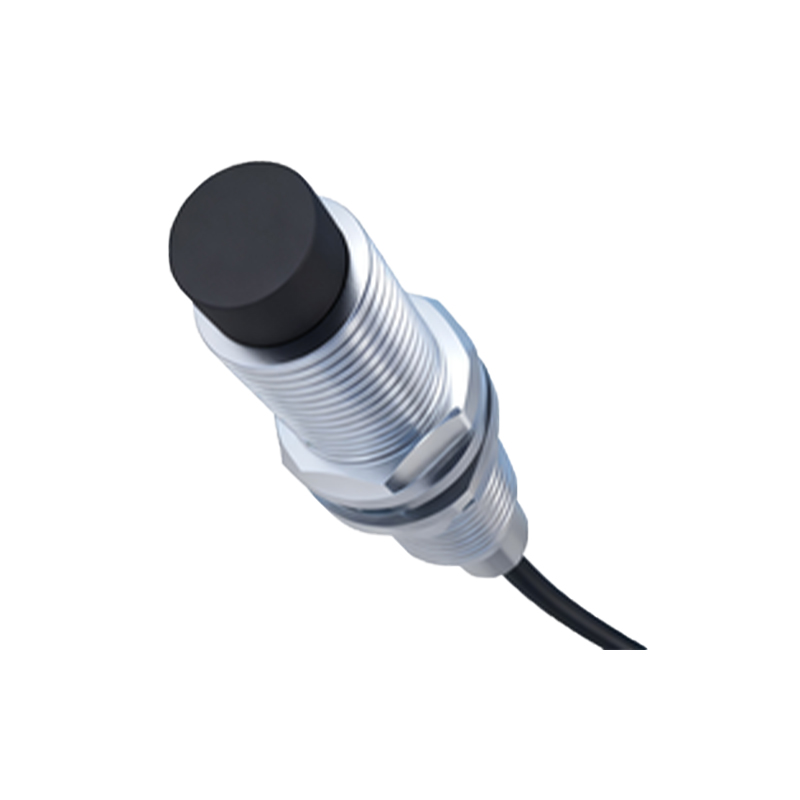
Advancements in materials science and integrated circuit technology continue to enhance proximity magnetic sensors. Modern designs incorporate digital interfaces, self-diagnostic capabilities, and reduced power consumption for IoT applications. For example, some sensors now include integrated microcontrollers that process signals locally, improving response times and reducing load on central systems.
Despite their robustness, challenges persist. Strong external magnetic fields can cause false readings, and temperature extremes may affect sensitivity. Engineers mitigate these issues through shielding, calibration, and the use of temperature-compensated circuits. Proper selection based on application requirements—such as choosing between Hall effect, magnetoresistive, or reed switch types—is crucial for optimal performance.
In summary, proximity magnetic sensors translate magnetic interactions into actionable data, enabling non-contact detection across diverse industries. Their principle, rooted in electromagnetic phenomena, combines physics with engineering to deliver reliable, efficient sensing solutions. As technology evolves, these sensors will likely become even more integral to smart systems, driving innovation in automation and beyond.