In the realm of industrial automation and electrical engineering, proximity sensors are indispensable components. They provide non-contact detection of metallic and, in some cases, non-metallic objects, enabling precise control, safety, and efficiency in countless applications. From assembly lines and packaging machinery to automotive manufacturing and material handling, the right sensor is critical. A common and crucial question among professionals is: which brand of proximity sensor offers the best performance, reliability, and value? This guide delves into the key considerations and highlights leading brands that have earned their reputation in the industry.
The "best" brand is rarely a universal answer; it depends heavily on the specific application requirements. Key technical parameters must be evaluated first. Sensing distance, or the nominal range at which the sensor can reliably detect a standard target, is fundamental. The type of target material (steel, aluminum, brass, etc.) significantly affects this range, especially for inductive sensors. Environmental factors are paramount. Will the sensor face extreme temperatures, washdown conditions with high-pressure chemicals, or heavy vibration? Ingress Protection (IP) ratings, such as IP67 or IP69K, indicate resistance to dust and liquids. Electrical characteristics, including output type (PNP/NPN, NO/NC), supply voltage range, and current capacity, must match the control system. Finally, housing material (stainless steel, nickel-plated brass, or PBT plastic) determines mechanical and chemical resilience.
With these factors in mind, several brands consistently rise to the top in professional discussions and global market share. These companies have built their standing on decades of innovation, rigorous quality control, and extensive technical support.
Sick AG is a German powerhouse renowned for its precision and innovation. Sick sensors are often the choice for demanding, high-precision applications. They offer an exceptionally wide portfolio, including advanced models with IO-Link communication for diagnostics and parameter setting, background suppression technology for precise range-finding, and specialized sensors for harsh environments. While often positioned at a premium price point, Sick sensors are synonymous with reliability, long service life, and cutting-edge features, making them a preferred brand for complex automation systems.
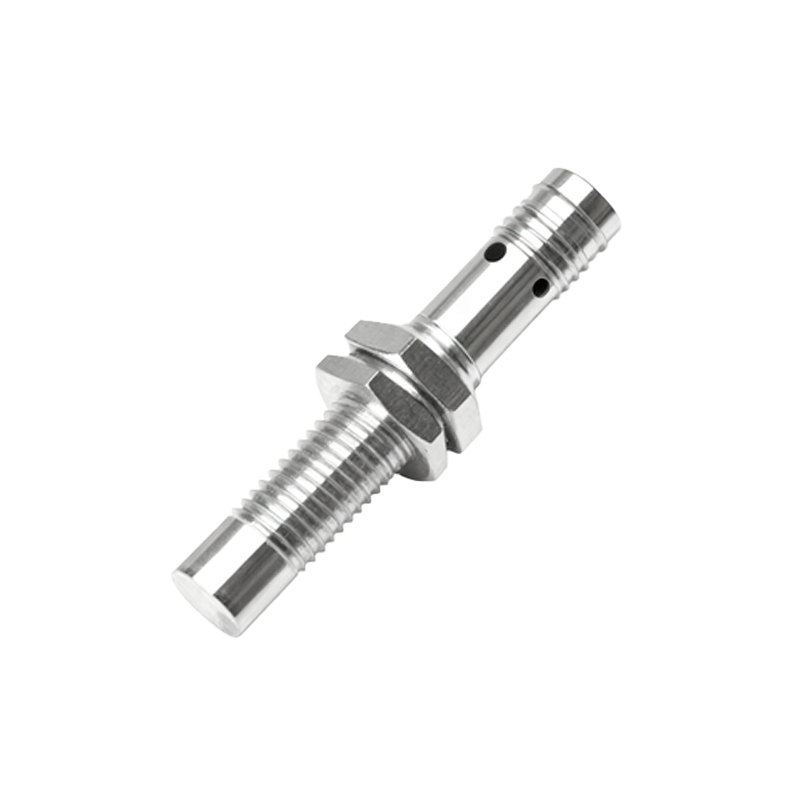
Pepperl+Fuchs, another German leader, is virtually synonymous with intrinsic safety and explosion-proof technology for hazardous areas. Their expertise, however, extends far beyond. They produce a vast array of inductive, capacitive, and ultrasonic proximity sensors known for robust construction and consistent performance. Pepperl+Fuchs excels in providing sensors with superior electromagnetic compatibility (EMC), high switching frequencies, and exceptional resistance to welding fields and other industrial interference. Their global service and application support network is a significant advantage for large-scale installations.
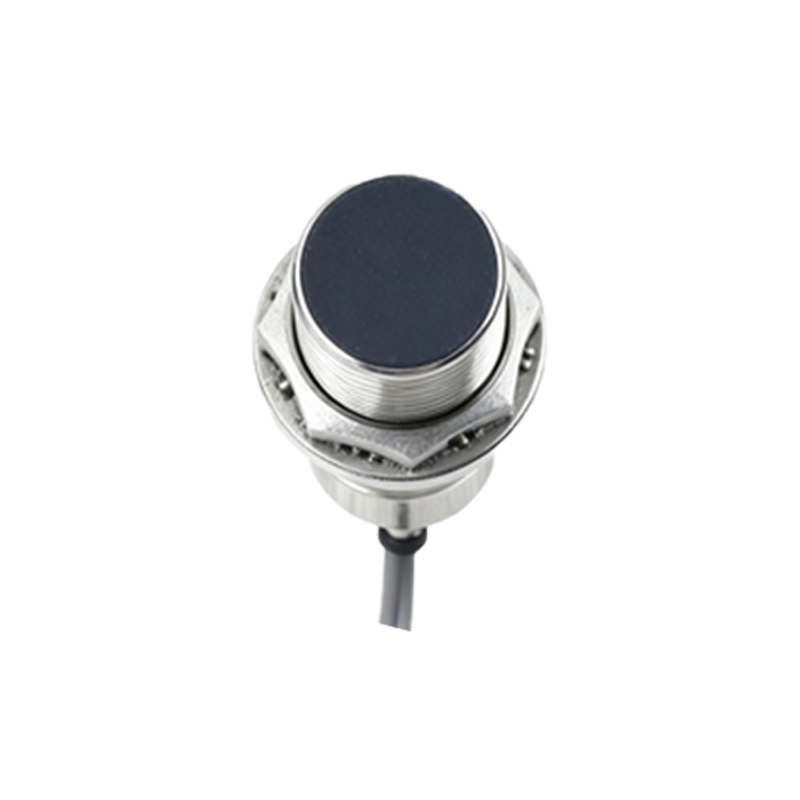
Omron Corporation, a Japanese multinational, is a titan in the automation components sector. Omron proximity sensors are celebrated for their exceptional quality, consistency, and broad availability. They offer an incredibly diverse range, from standard cylindrical sensors to miniature rectangular models and specialized devices for specific tasks like weld-spatter resistance. Omron often provides excellent value, balancing cost with proven performance and reliability. Their products are a mainstay in general factory automation, packaging, and machine building worldwide.
Balluff GmbH, a German sensor specialist, is highly regarded for its innovation in miniaturization and smart sensor technology. Balluff proximity sensors frequently feature compact designs without sacrificing sensing distance or durability. They are a pioneer in integrating RFID and identification systems with sensor technology. For applications requiring space-saving solutions, high-density mounting, or advanced data communication via IO-Link, Balluff is a top contender. Their products demonstrate excellent engineering and a focus on the future of interconnected production.
IFM Electronic, also from Germany, has a strong reputation for user-friendly design and system integration. IFM sensors are known for their diagnostic capabilities, often featuring visual LED indicators that provide clear status information. They offer a comprehensive range of sensors with robust mechanical and electrical designs. IFM's strength lies in creating products that simplify installation, troubleshooting, and maintenance, which can significantly reduce downtime. Their product range is extensive and well-suited for a wide spectrum of industrial applications.
Rockwell Automation (Allen-Bradley) and Siemens are dominant players as full-system automation providers. Their proximity sensors are designed to seamlessly integrate with their respective programmable logic controllers (PLCs), drives, and network architectures. For engineers designing a complete system based on Allen-Bradley's ControlLogix/CompactLogix or Siemens' SIMATIC S7/TIA Portal, using the same brand's sensors can streamline procurement, compatibility, and technical support. While their sensor portfolios may not be as vast as pure sensor manufacturers, they offer high-quality, reliable products optimized for their ecosystems.
Beyond these established leaders, brands like Turck, Banner Engineering, and Keyence also command significant respect in specific niches. Keyence, for instance,