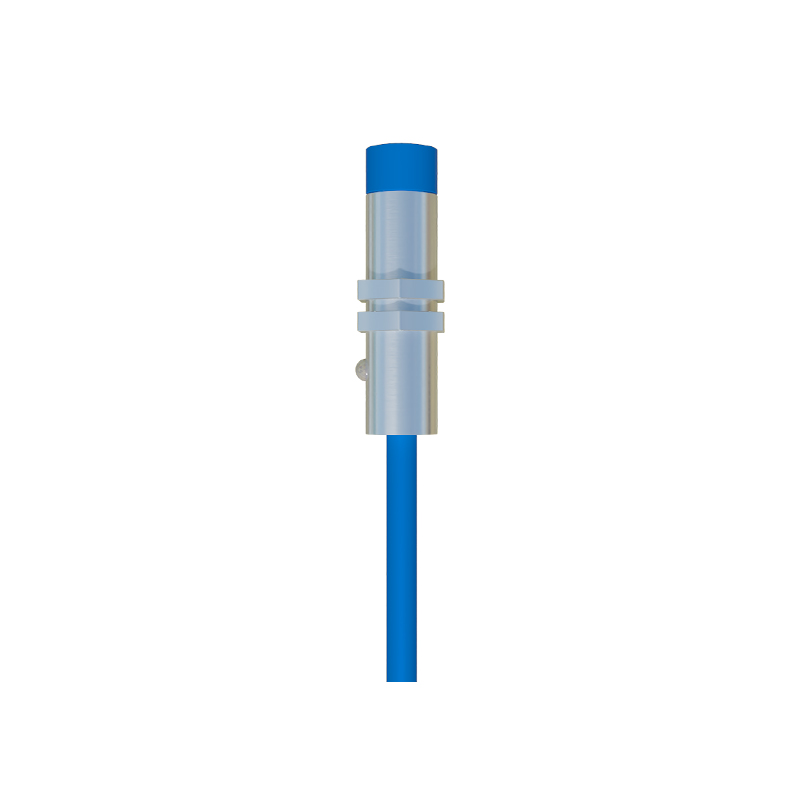
In industrial environments where extreme temperatures are a constant challenge, the reliability and performance of proximity sensors are critical. High temperature proximity sensors are specifically engineered to operate in harsh conditions, often exceeding 150°C and reaching up to 200°C or more in specialized models. These sensors are indispensable in sectors such as metal processing, automotive manufacturing, glass production, and aerospace, where they perform vital tasks like position detection, object counting, and process control near furnaces, ovens, and welding equipment.
Selecting the right supplier for these critical components requires a deep understanding of both the application's demands and the supplier's capabilities. A premier supplier does not merely sell a product; they provide a solution. Key factors to evaluate include the sensor's operational temperature range, housing material integrity under thermal stress, and the long-term stability of its electrical characteristics. Inductive, capacitive, and magnetic sensing technologies each have their place, and a knowledgeable supplier will guide the selection based on the specific metallic or non-metallic target, required sensing distance, and the ambient environmental conditions beyond just heat, such as dust, moisture, and vibration.
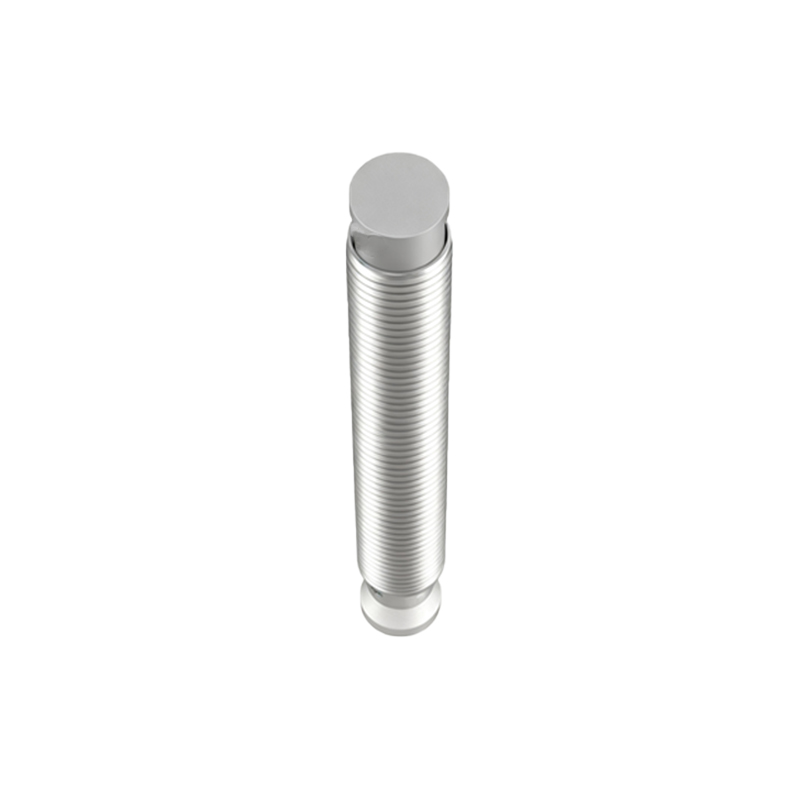
The core of a high-temperature sensor's resilience lies in its construction. Suppliers must utilize specialized materials like PEEK (Polyether Ether Ketone) or ceramic housings, high-temperature cables with PTFE or silicone insulation, and advanced potting compounds to protect internal electronics. The design must account for thermal expansion to prevent mechanical failure and signal drift. Furthermore, the electronic components, particularly the oscillator and amplifier circuits, must be selected and calibrated for thermal stability to ensure consistent switching points and avoid false triggers.
Beyond the product specifications, the supplier's technical support, customization options, and global certification compliance (e.g., ATEX, IECEx for hazardous areas) are paramount. A reliable supplier will have a proven track record in the industry, offering robust testing data, detailed application notes, and responsive engineering support. They should be capable of providing sensors with unique form factors, special connector types, or modified output configurations to fit into complex machinery. Lead times, logistical support for global operations, and the availability of replacement parts also form a crucial part of the supplier evaluation matrix.
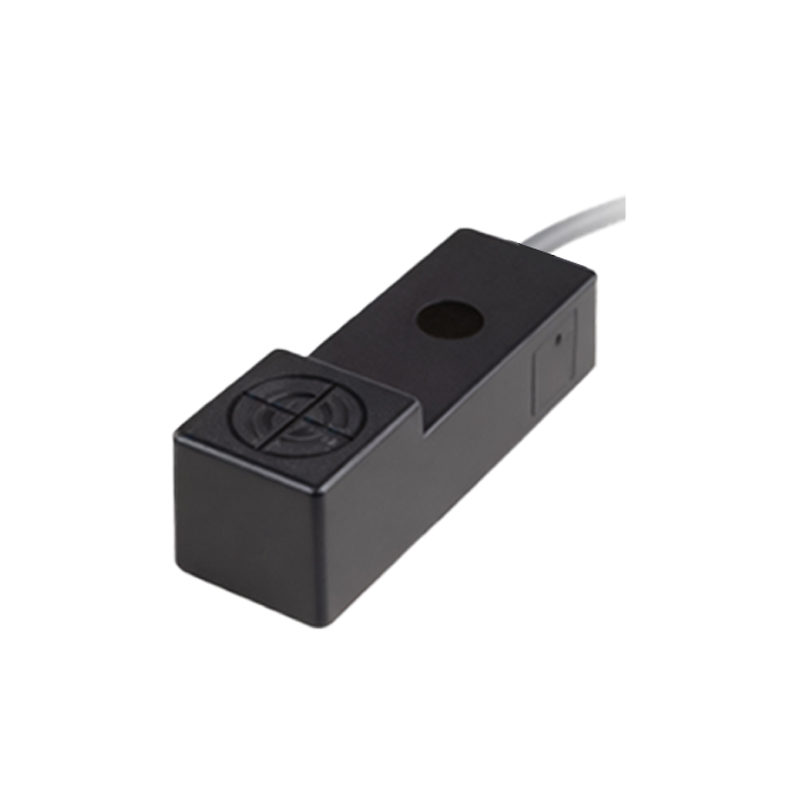
In conclusion, procuring high-temperature proximity sensors is a strategic decision that impacts production safety, efficiency, and uptime. Partnering with a supplier that demonstrates excellence in material science, precision engineering, and application-specific problem-solving is essential. By thoroughly assessing both the technological attributes of the sensors and the holistic capabilities of the supplier, engineers can secure a reliable and durable sensing solution that withstands the test of heat and time, ensuring continuous and safe operation in the world's most demanding industrial settings.