In the realm of industrial automation and control systems, 24V DC proximity sensors stand as fundamental components, offering reliable, non-contact detection of metallic and, in some cases, non-metallic objects. Their 24V operating voltage aligns perfectly with the standard for most PLCs and control circuits, making them ubiquitous in manufacturing, packaging, material handling, and robotics. Choosing the right sensor is critical for system reliability, precision, and longevity. This guide presents a ranked overview of leading 24V proximity sensor models for 2024, based on a synthesis of technical performance, market adoption, durability, and value across key industrial applications.
Topping our industry ranking is the Sick IME18-08BPSZC0S. This inductive sensor sets a high benchmark for general-purpose applications. Its robust stainless-steel housing (IP67/IP69K rating) withstands harsh washdown environments common in food & beverage and pharmaceutical sectors. The factor 1 (18mm cylindrical) design is a classic, offering excellent sensing ranges up to 8mm for ferrous metals. Its advanced features include short-circuit and reverse polarity protection, along with an IO-Link option for diagnostic data and parameterization, making it a future-proof choice for Industry 4.0 environments. Its consistent performance and exceptional build quality justify its premier position.
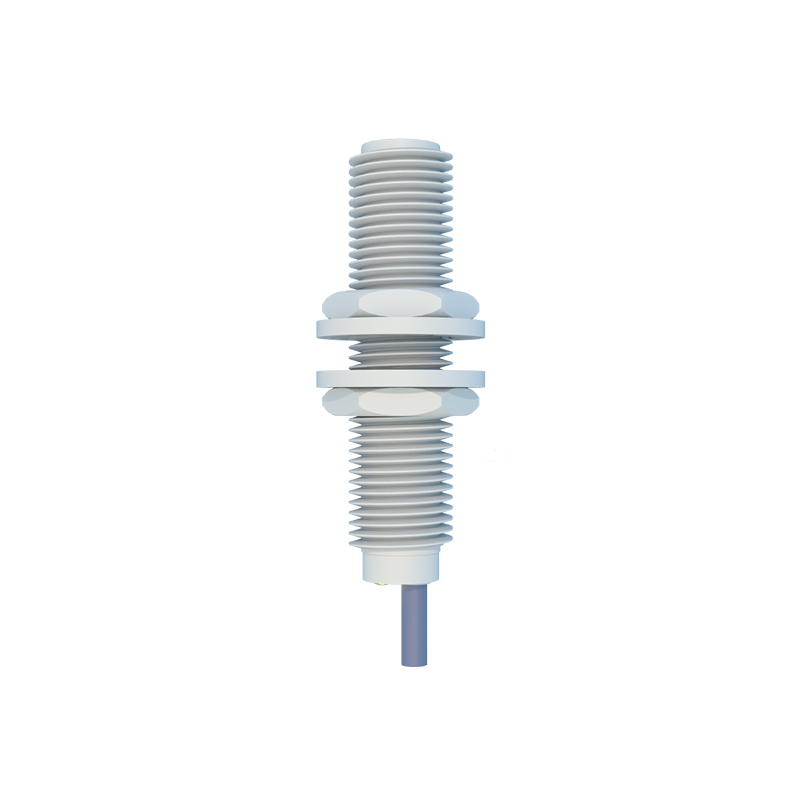
A close contender and a favorite for high-speed, precision applications is the Balluff BES M18MI-PSC80B-S04G. Renowned for its "factor 1" performance in a compact M18 housing, this sensor provides an extended 15mm sensing range, which is significant for its size. It excels in high-cyclic tasks like part counting on conveyor lines or position verification in assembly machines. The plastic (PBT) housing with metallic sensing face is ideal for applications requiring reduced sensor weight or where non-metallic mounting is preferred. Its teach-in capability via a button simplifies setup, and the availability of both PNP and NPN outputs offers design flexibility. For precision and extended range, Balluff's offering is nearly unmatched.
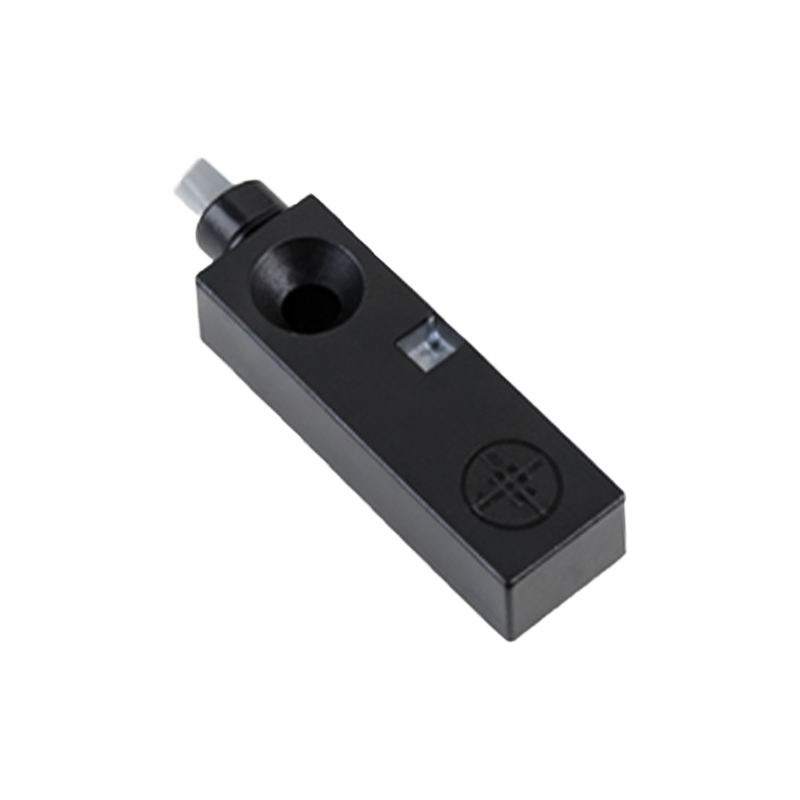
For environments demanding extreme durability and resistance to physical damage, the Pepperl+Fuchs NJ20+U1+E2 series is the undisputed leader. These cylindrical sensors feature a virtually indestructible V4A stainless steel housing and a shock-resistant, pressure-molded sensing face. They are specifically engineered for heavy industries like metalworking, forestry, and mining, where weld spatter, impacts, and extreme vibrations are daily challenges. While their sensing range is standard (8mm for M30 models), their legendary resilience and reliability under duress earn them a top spot for ruggedized applications. The integrated LED status indicator and robust cabling options further enhance their utility in tough conditions.
In the category of value-driven, high-reliability sensors, the Omron E2E-X18MF1 remains a perennial best-seller. Omron's reputation for quality and consistency is embodied in this M18, 2-wire DC sensor. It offers a solid 8mm sensing range, a brass barrel with nickel plating for good corrosion resistance, and a cost-effective design without superfluous features. Its simplicity is its strength; it performs its core function—detecting metal objects—with remarkable reliability. For OEMs and system integrators building standard machines with high volume, the E2E series provides an optimal balance of performance, proven track record, and total cost of ownership, securing its place in this ranking.
Finally, for specialized applications requiring detection of all metals (including aluminum, copper, and stainless steel) at consistent ranges, the Turck BI20-M30-AP6X-H1141 represents the pinnacle of factor 1 "all-metal" sensing technology. Traditional inductive sensors experience a reduced sensing range for non-ferrous metals. Turck's designs, like this one, utilize a patented technology to maintain a full sensing range regardless of the target metal type. This is invaluable in mixed-material production lines, such as automotive or electronics, where sensor tuning and changeover would otherwise be necessary. Its M30 housing, high IP69K rating, and robust connectivity options make it the expert's choice for challenging detection tasks.
Beyond the specific models, key selection criteria remain universal. The sensing distance must have a 20-30% safety margin from the target. The housing material (e.g., brass, stainless steel, PBT plastic) must be chosen based on environmental exposure to chemicals, temperature, and physical stress. Output configuration (PNP/NPN, NO/NC, 2-wire/3-wire) must match the control system's input card. Protection ratings (IP67, IP68, IP69K) are non-negotiable