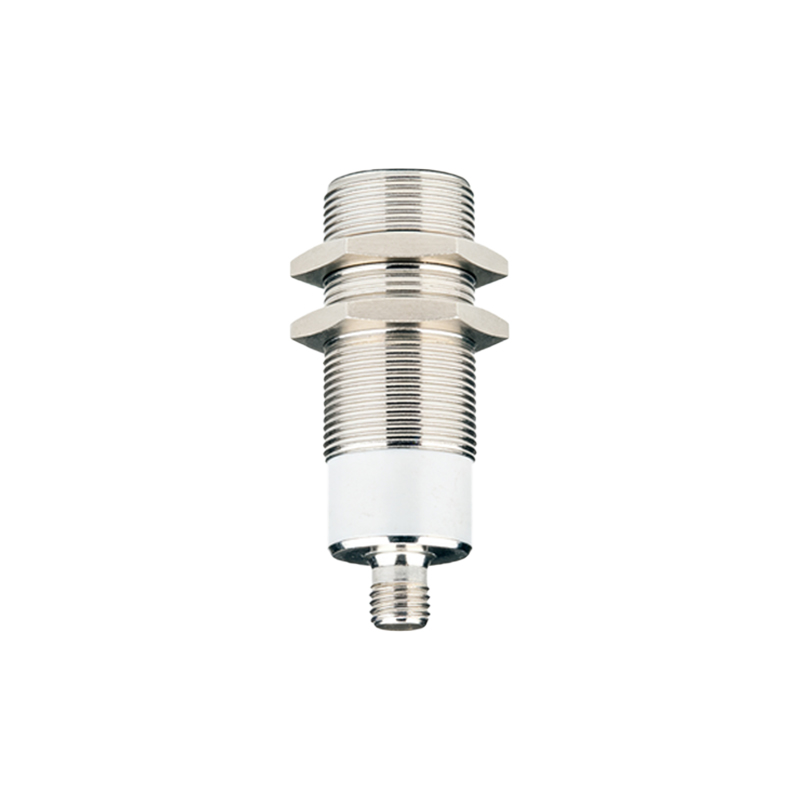
In the vast landscape of industrial automation, sensing technology forms the backbone of countless processes. Among the various sensor types, conventional inductive proximity sensors stand out as a robust, reliable, and widely adopted solution for non-contact object detection. These sensors operate on a fundamental electromagnetic principle, offering a unique set of advantages that make them indispensable in harsh manufacturing environments.
At the heart of a conventional inductive proximity sensor lies a coil wound around a ferrite core, which together with an oscillator circuit generates a high-frequency electromagnetic field at the active sensing face. When a metallic object enters this oscillating field, eddy currents are induced on the surface of the target. This energy loss causes a change in the oscillation amplitude. An evaluation circuit within the sensor detects this damping effect and triggers a switching signal—typically opening or closing a solid-state output. It is crucial to note that these sensors are designed specifically for detecting metallic objects; non-metallic materials like plastic, wood, or paper do not affect the electromagnetic field and therefore cannot be detected.
The performance of these sensors is defined by several key parameters. The nominal sensing distance, or Sn, is a standardized value indicating the theoretical operating point under defined conditions. The effective sensing distance, or Sr, is the actual switching distance measured under specific temperature and voltage conditions, typically 10-20% less than Sn. A critical specification is the hysteresis, which is the difference between the switch-on point as the target approaches and the switch-off point as it moves away. This feature prevents output chattering when a target is positioned at the exact sensing limit. Furthermore, conventional models often feature a built-in protection circuit against short-circuits and overloads, enhancing their durability.
One of the primary strengths of conventional inductive sensors is their remarkable resilience. They are inherently immune to environmental factors that plague other sensing technologies. Dust, dirt, oil, coolant, and other non-metallic contaminants do not interfere with their operation, as these materials do not dampen the oscillating field. This makes them ideal for machine tools, welding cells, foundries, and assembly lines where such conditions are prevalent. Their fully encapsulated, often stainless-steel or nickel-plated brass housings provide high resistance to mechanical impact, vibration, and washdown procedures. With no moving parts and a solid-state output, they offer exceptionally long service life and maintenance-free operation.
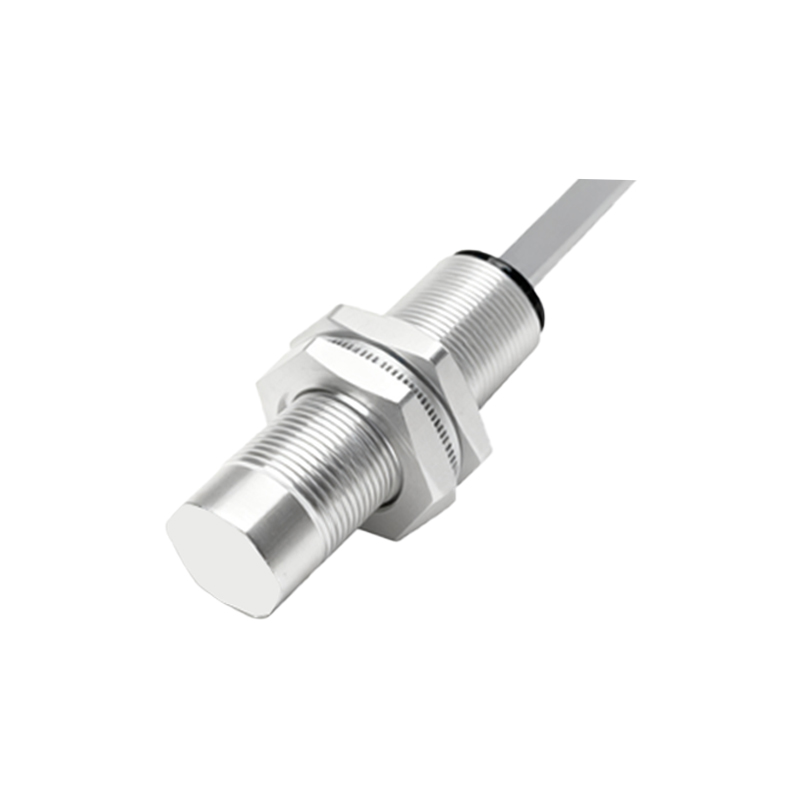
The applications are diverse and critical. They are extensively used for simple presence detection—verifying if a metal part is in place on a fixture or conveyor. They serve as end-of-travel limit switches in cylinders and linear actuators, providing precise positional feedback. In rotary applications, they can detect the teeth of a gear for speed monitoring or index counting. Their fast switching speed, often in the kilohertz range, allows for high-speed counting of small metal parts like bolts or caps. From controlling robotic gripper positions to ensuring proper tooling in a CNC machine, the use cases are nearly endless.
When selecting a conventional inductive proximity sensor for an application, engineers must consider several factors beyond just the required sensing distance. The target material is paramount; while all metals can be detected, the sensor's effective range is reduced for non-ferrous metals like aluminum, brass, or copper compared to mild steel. This reduction is expressed by a correction factor, usually provided in the datasheet. The sensor's housing shape—barrel (cylindrical), rectangular, or slot-type—must suit the mounting constraints. The electrical output type (NPN sinking or PNP sourcing) must match the control system's input card requirements. Environmental ratings, particularly the Ingress Protection (IP) code for dust and water resistance, are vital for ensuring reliability. Finally, considering factors like temperature range and the presence of strong electromagnetic fields in the installation area is essential for optimal performance.
In summary, conventional inductive proximity sensors represent a mature, yet continually relevant, technology. Their simplicity, ruggedness, and consistent performance in detecting metallic objects under challenging conditions secure their position as a fundamental component in automated systems. Understanding their operating principle, key specifications, and selection criteria empowers engineers and technicians to deploy them effectively, ensuring robust and reliable machine control.