In an era where precision and efficiency are paramount, small laser distance sensors have emerged as indispensable tools across a vast spectrum of industries. These compact devices, often no larger than a matchbox, harness the fundamental principles of time-of-flight or phase-shift measurement using laser light to deliver highly accurate distance data. Their core operation is elegantly simple: a laser diode emits a focused pulse of light towards a target. This light reflects off the surface and returns to a receiver within the sensor. By precisely calculating the time delay between emission and reception, or by analyzing the phase shift of a modulated beam, the sensor determines the distance with remarkable accuracy, typically within millimeters or even sub-millimeter ranges.
The defining characteristic of these sensors is their miniaturization. Advances in laser diode technology, optical components, and integrated circuit design have enabled manufacturers to pack powerful measurement capabilities into incredibly small form factors. This compactness unlocks applications previously constrained by space limitations. Unlike bulky ultrasonic sensors or physical contact probes, small laser sensors can be easily integrated into tight spaces on automated machinery, robotic arms, or handheld devices without compromising performance.
The advantages of using small laser distance sensors are numerous. First and foremost is their non-contact nature. They can measure delicate, hot, moving, or otherwise inaccessible objects without any risk of damage or wear. This leads to increased longevity and reduced maintenance costs. Secondly, they offer exceptional speed, capable of taking thousands of measurements per second. This high sampling rate is crucial for dynamic processes like monitoring product dimensions on a fast-moving conveyor belt or guiding autonomous mobile robots in real-time. Furthermore, their precision is largely unaffected by surface color or material in many models, though highly reflective or absorbent surfaces may require specific sensor configurations.
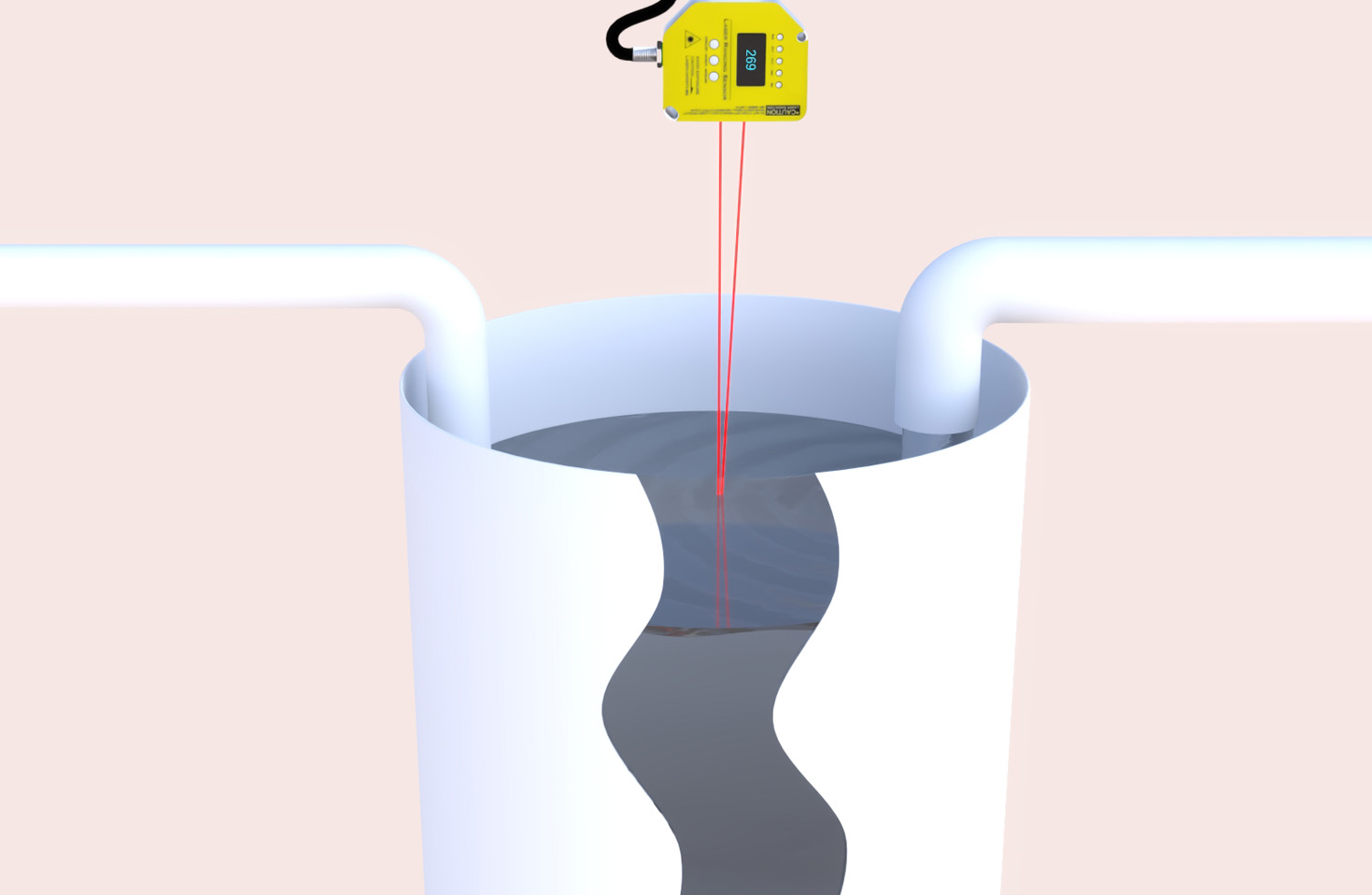
Applications for these tiny powerhouses are virtually limitless. In industrial automation, they are pivotal for precise positioning, fill level control in containers, thickness measurement of materials, and robot guidance. The logistics and warehousing sector relies on them for dimensioning packages, palletizing, and automated guided vehicle (AGV) navigation. Within consumer electronics, they enable autofocus systems in smartphones and cameras, as well as gesture recognition. The automotive industry integrates them for advanced driver-assistance systems (ADAS), parking aids, and assembly line quality checks. Even in emerging fields like drones, small laser sensors provide critical altitude and obstacle avoidance data.

Selecting the right small laser distance sensor requires careful consideration of several key parameters. The measuring range is primary; sensors are available from short-range (a few centimeters) to medium-range (several tens of meters). Accuracy and repeatability specifications will determine the suitability for a given task. The response time or measurement frequency must align with the speed of the application. Environmental factors like ambient light, dust, fog, or temperature extremes are also critical, as they can influence performance. Many modern sensors come with robust industrial housings (IP67 ratings are common) and integrated interfaces like analog voltage, current loops, or digital protocols (RS-232, USB, Ethernet, IO-Link) for seamless integration into control systems.
Looking ahead, the trajectory for small laser distance sensors points toward even greater integration, intelligence, and affordability. The convergence with micro-electro-mechanical systems (MEMS) promises further size reduction. Onboard processing capabilities are increasing, allowing sensors to perform basic data analysis and decision-making at the edge of the network. As manufacturing scales and technology matures, costs continue to decrease, making high-precision laser measurement accessible to a broader range of applications, from sophisticated industrial robots to everyday smart home devices.
In conclusion, small laser distance sensors represent a perfect synergy of optics, electronics, and software engineering. Their compact size, non-contact operation, high speed, and unwavering precision solve complex measurement and control challenges across diverse fields. As technology continues to advance, these unassuming devices will undoubtedly become even more embedded in the fabric of modern automation and intelligent systems, driving efficiency and enabling new possibilities where accurate spatial awareness is key.