In the rapidly evolving landscape of industrial automation and smart device manufacturing, infrared (IR) proximity sensors have become indispensable components. Their ability to detect the presence, absence, or distance of an object without physical contact makes them crucial for applications ranging from assembly line robotics and consumer electronics to automotive safety systems and IoT devices. For procurement specialists, design engineers, and business decision-makers, a clear understanding of the factors influencing the factory price of these sensors is essential for effective budgeting, sourcing, and product development.
The factory price, or ex-works price, of an infrared proximity sensor is not a single figure but a composite reflection of its design complexity, performance specifications, and manufacturing economics. At its core, the price is primarily dictated by the sensor's key performance parameters. Detection range is a fundamental cost driver. A standard sensor with a range of 10-30 cm, suitable for basic object detection, will reside at the lower end of the price spectrum. In contrast, long-range sensors capable of detecting objects several meters away incorporate more powerful IR emitters (often laser-based), sophisticated optics, and advanced signal processing circuits, significantly increasing the unit cost. Similarly, accuracy and resolution requirements play a major role. A sensor designed for simple presence detection is less expensive than one needed for precise distance measurement in micron-level applications, which demands high-quality photodiodes and stable, low-noise amplification circuitry.
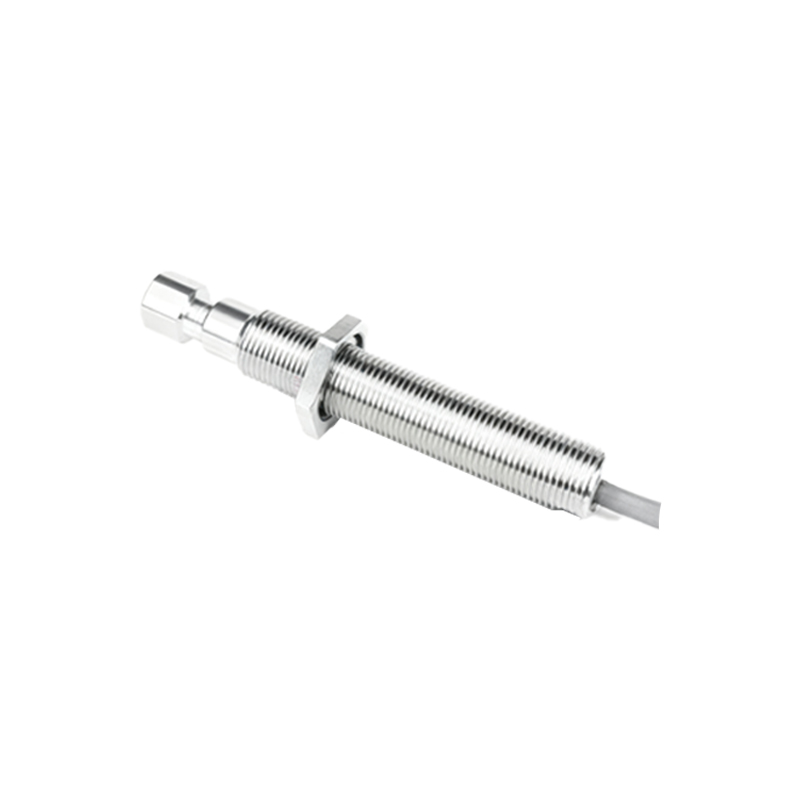
The type of infrared technology employed is another critical price determinant. Basic passive IR (PIR) sensors, which detect changes in infrared radiation emitted by objects, are generally the most economical and are common in motion detection. Active IR sensors, which consist of an IR LED emitter and a photodiode or phototransistor receiver, form the bulk of the proximity sensor market. Their price varies widely based on the emitter's wavelength (e.g., 850nm vs. 940nm), power output, and the receiver's sensitivity. The most advanced and costly category includes sensors utilizing modulated IR signals and Time-of-Flight (ToF) or phase-shift measurement principles. These sensors offer superior accuracy, immunity to ambient light interference, and the ability to measure absolute distance, but their complex integrated circuits (ICs) and precise calibration processes command a premium.
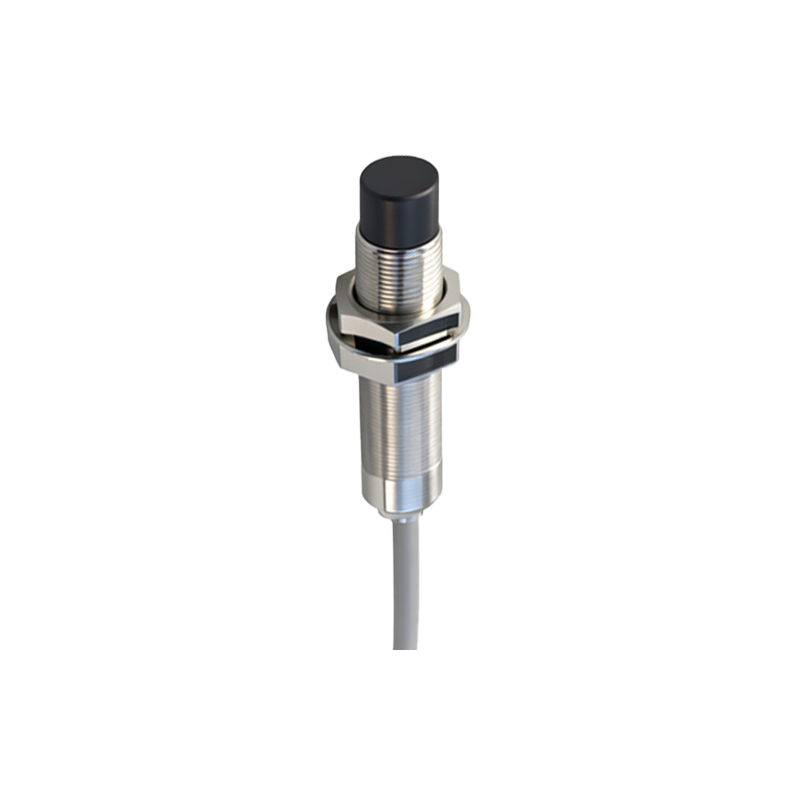
Component quality and sourcing directly impact the Bill of Materials (BOM). Sensors using high-grade, name-brand components from suppliers like Vishay, Osram, or Texas Instruments for the IR emitter and detector will be more expensive than those using generic or lower-tier alternatives. The inclusion of additional features such as built-in temperature compensation, digital output (I2C, SPI), programmable sensitivity, and robust housing ratings (IP67, IP69K for dust/water resistance) adds layers of functionality and cost. A sensor designed for the demanding environment of an automotive assembly line, with extended temperature tolerance and high EMI immunity, will inherently cost more than one for a benign indoor consumer product.
Manufacturing volume is perhaps the most powerful lever on factory pricing. Economies of scale are profoundly significant in electronics manufacturing. An order for 100,000 units allows the factory to optimize production lines, negotiate better component prices, and amortize fixed costs (like tooling and setup) over a vast number of units, drastically reducing the per-unit price compared to a prototype or small-batch order of 1,000 pieces. Standardized, off-the-shelf sensor models are always more price-competitive than fully customized solutions, which require non-recurring engineering (NRE) costs for design, testing, and certification.
Finally, the choice of manufacturing partner and supply chain logistics are integral to the final price. Established manufacturers with ISO-certified facilities, rigorous quality control (QC) processes, and reliable after-sales support may quote higher prices than smaller, lesser-known factories. This premium often translates into lower long-term costs through reduced failure rates, consistent performance, and dependable supply. Geographic factors also play a role; manufacturing in regions with lower labor costs can offer price advantages, but this must be balanced against potential logistical complexities, import duties, and intellectual property considerations.
In conclusion, the factory price of an infrared proximity sensor is a multifaceted equation. It balances technical performance (range, accuracy, technology), component quality, feature set, order volume, and manufacturing pedigree. For industry professionals, the goal should not be to find the absolute cheapest sensor but to identify the optimal cost-performance solution that meets the specific reliability, accuracy, and durability requirements of the application. Engaging in early dialogue with potential suppliers, clearly defining specifications, and considering total cost of ownership rather than just unit price are the hallmarks of strategic and cost-effective procurement in this critical field of industrial components.