Proximity sensors are indispensable components in modern industrial automation, providing non-contact detection of objects within a specified range. These devices are engineered to enhance operational efficiency, improve safety, and ensure precision in various applications, from manufacturing lines to robotic systems. Unlike mechanical switches, proximity sensors operate without physical contact, thereby reducing wear and tear and minimizing maintenance requirements.
There are several primary types of proximity sensors, each utilizing distinct technologies to detect objects. Inductive proximity sensors are widely used for detecting metallic objects. They generate an electromagnetic field and sense changes caused by metallic targets, making them ideal for harsh industrial environments where dust, oil, or moisture is present. Capacitive proximity sensors, on the other hand, can detect both metallic and non-metallic materials, including liquids, plastics, and wood. They function by measuring changes in capacitance when an object enters their electrostatic field. Ultrasonic proximity sensors employ sound waves to detect objects, suitable for applications requiring longer sensing distances or transparent materials. Lastly, photoelectric sensors use light beams to sense objects, offering high precision and versatility in diverse conditions.
The selection of an appropriate proximity sensor depends on multiple factors, such as the material of the target object, required sensing distance, environmental conditions, and response time. For instance, in automotive assembly lines, inductive sensors are commonly employed to detect metal parts, while capacitive sensors might be used in packaging industries to monitor liquid levels. Proper installation and calibration are crucial to ensure optimal performance. Sensors must be positioned correctly to avoid interference from external factors like vibration, temperature fluctuations, or electromagnetic noise.
Advancements in sensor technology have led to the development of smart proximity sensors with integrated diagnostics and communication capabilities. These sensors can provide real-time data on operational status, enabling predictive maintenance and reducing downtime. In Industry 4.0 contexts, proximity sensors contribute to interconnected systems, facilitating automation and data exchange in smart factories.
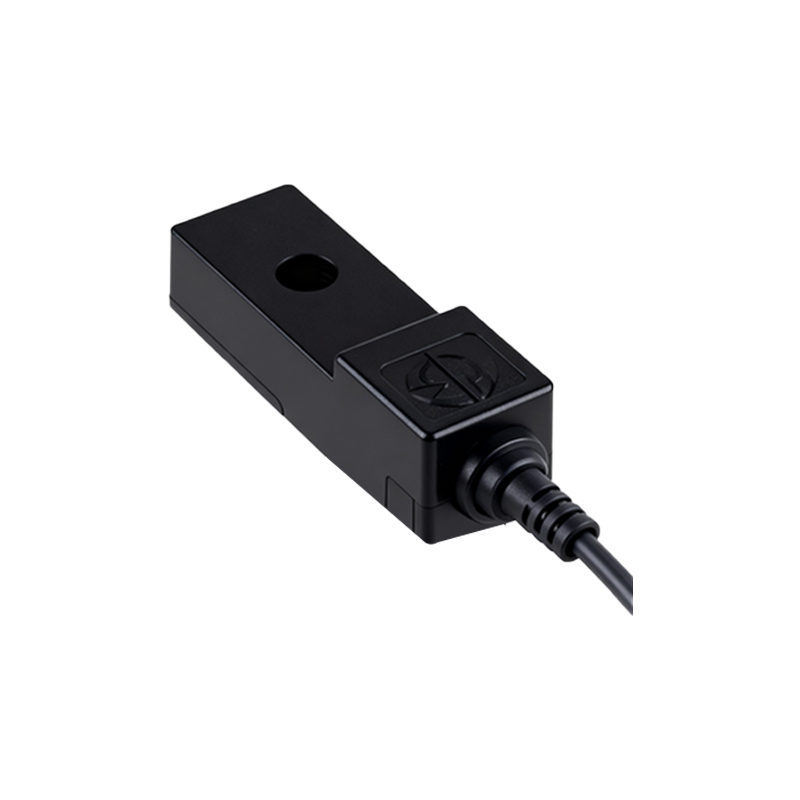
In summary, proximity sensors play a critical role in enhancing industrial automation by offering reliable, non-contact detection solutions. Understanding their types, applications, and selection criteria is essential for engineers and technicians aiming to optimize system performance and maintain operational excellence. As technology evolves, these sensors will continue to drive innovation in automation, supporting more efficient and safer industrial processes.