In hazardous industrial environments where combustible dust is present, ensuring operational safety is paramount. Dust explosion proof proximity sensors play a critical role in these settings by providing reliable object detection without igniting explosive atmospheres. These specialized sensors are designed to meet stringent international standards, such as ATEX and IECEx, which govern equipment used in potentially explosive environments.
The fundamental principle behind dust explosion proof proximity sensors involves containment. The sensor housing is constructed to prevent any internal spark or thermal effect from escaping and igniting the surrounding dust cloud. This is achieved through robust enclosures, often made of stainless steel or coated aluminum, that can withstand internal pressures from a potential ignition and cool any hot gases expelled through flame paths. Unlike standard sensors, these devices undergo rigorous testing to certify they will not become an ignition source.
There are several types of proximity sensing technologies adapted for dust-explosive atmospheres. Inductive sensors are common for detecting metallic objects, utilizing an electromagnetic field. Capacitive sensors can detect both metallic and non-metallic materials by measuring changes in capacitance. Each type is encapsulated within an explosion-proof housing rated for specific dust groups (like Group IIIA, IIIB, IIIC for dusts) and temperature classes. The choice depends on the application, such as monitoring material levels in silos, detecting position in conveyor systems, or ensuring safety interlocking on access doors.
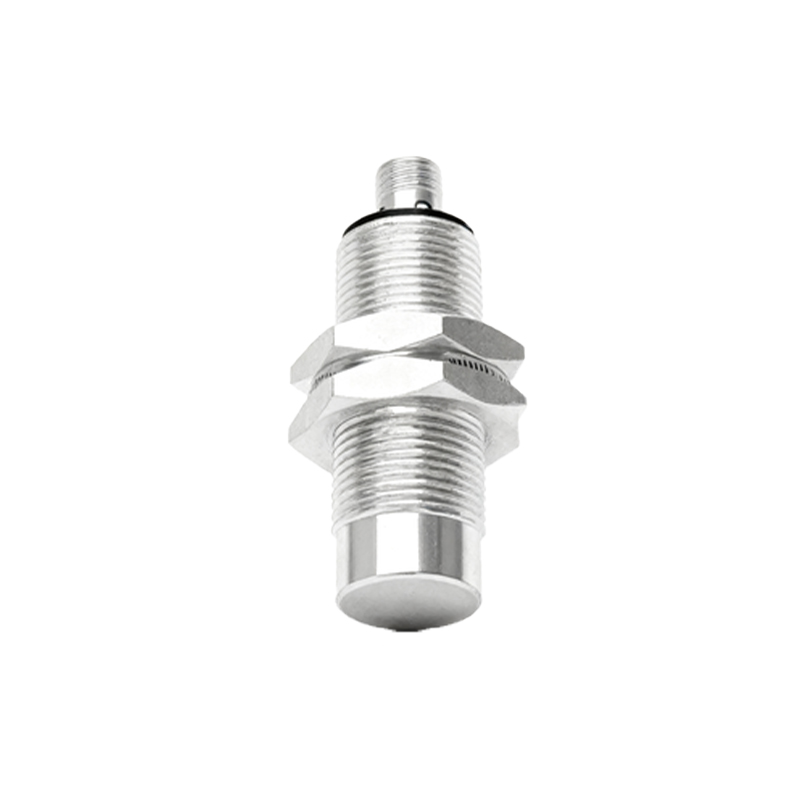
Key design considerations include the sensor's ingress protection (IP) rating, which must be high enough to prevent dust ingress that could compromise safety. An IP6X rating, for instance, indicates complete dust tightness. The sensors also feature intrinsically safe circuits in some designs, limiting electrical energy to levels incapable of causing ignition. Proper installation is crucial; this involves correct grounding, using certified cable glands, and adhering to prescribed clearance distances as per the certification.
Maintenance of these sensors in dusty environments requires regular inspection to ensure the integrity of the enclosure and sealing surfaces. Accumulated dust on the sensor face must be cleaned carefully to maintain detection accuracy, but the process must not damage the explosion-proof features. It is vital to use only original manufacturer parts during any repair to preserve the certification.
The integration of these sensors into modern Industrial Internet of Things (IIoT) systems is an advancing trend. Smart sensors with diagnostic capabilities can monitor their own health and provide early warnings of potential failures, enhancing predictive maintenance strategies without compromising safety ratings. However, any communication module or wireless component must also carry the appropriate explosion-proof certification.
In conclusion, dust explosion proof proximity sensors are engineered not just for functionality but for absolute safety in high-risk industries like grain handling, pharmaceuticals, chemical processing, and metalworking. Selecting the correct sensor requires a thorough hazard analysis of the area, understanding the dust properties, and compliance with regional directives. Their reliable operation forms a foundational layer of protection in comprehensive plant safety systems, helping to prevent catastrophic incidents and ensure continuous, safe production.