In the realm of industrial automation and smart systems, square proximity sensor devices have emerged as critical components for non-contact detection and positioning. These sensors, characterized by their compact, square-shaped housings, are engineered to detect the presence or absence of objects within a specified range without physical contact. Utilizing technologies such as inductive, capacitive, or photoelectric principles, they offer reliable performance in diverse environments, from manufacturing floors to consumer electronics.
The design of square proximity sensors prioritizes space efficiency and ease of integration. Their square form factor allows for seamless mounting in tight spaces, making them ideal for applications where precision and minimal footprint are paramount. For instance, in automated assembly lines, these sensors ensure accurate part positioning, reducing errors and enhancing throughput. In consumer devices like smartphones or tablets, they enable features such as screen dimming during calls, conserving battery life and improving user experience.
Key advantages of square proximity sensors include high durability and resistance to environmental factors. Many models are built with robust materials that withstand dust, moisture, and temperature fluctuations, ensuring consistent operation in harsh conditions. This reliability translates to reduced maintenance costs and downtime, a crucial factor for industries prioritizing efficiency. Additionally, their non-contact nature minimizes wear and tear, extending the lifespan of both the sensor and the machinery they monitor.
When selecting a square proximity sensor, considerations such as sensing range, output type, and environmental compatibility are essential. Sensing ranges vary from a few millimeters to several centimeters, with options for analog or digital outputs to interface with control systems. For example, inductive sensors excel in detecting metallic objects, while capacitive versions can sense non-metallic materials like plastics or liquids. Photoelectric square sensors, using light beams, offer longer ranges and are suitable for clean, controlled settings.
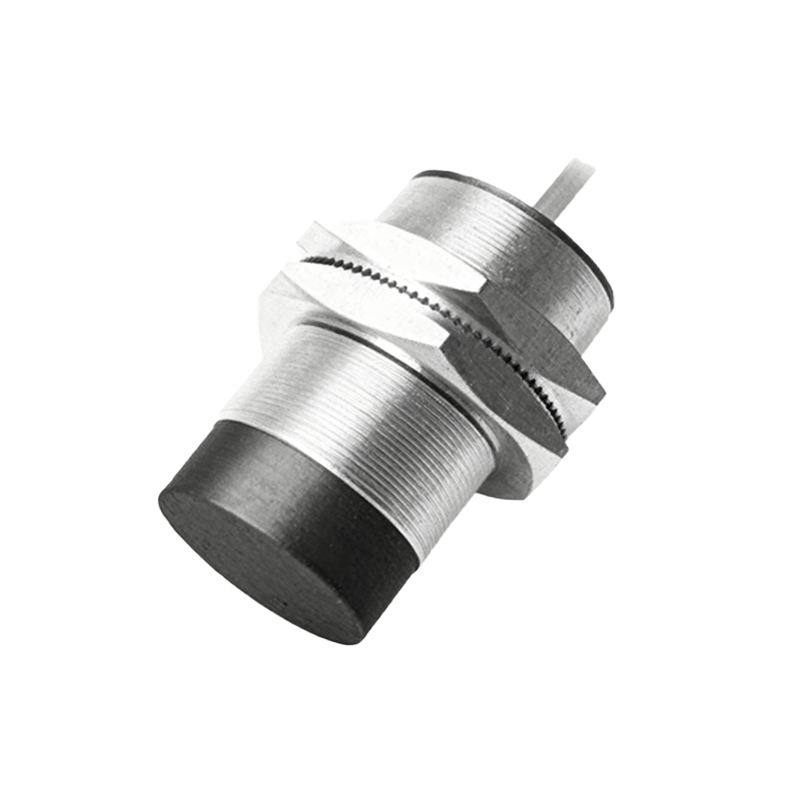
Installation and calibration are straightforward, often involving simple mounting brackets and adjustable settings. Many modern square proximity sensors feature LED indicators for real-time status monitoring, aiding in troubleshooting and setup. Integration with programmable logic controllers (PLCs) or Internet of Things (IoT) networks further enhances their utility, enabling data collection and remote management for predictive maintenance and process optimization.
In summary, square proximity sensor devices represent a fusion of precision engineering and practical design. Their versatility across industries—from automotive manufacturing to smart home systems—underscores their role in advancing automation. By enabling accurate, contactless detection, they contribute to safer, more efficient operations, driving innovation in an increasingly automated world. As technology evolves, these sensors are likely to incorporate smarter features, such as enhanced connectivity and AI-driven analytics, solidifying their place in future industrial and consumer applications.