In the rapidly evolving landscape of industrial automation and machine safety, proximity sensors have become indispensable components. For engineers, maintenance technicians, and procurement specialists, finding a reliable and well-stocked proximity sensor store is crucial for minimizing downtime and ensuring operational continuity. This guide outlines the key considerations for locating a dedicated proximity sensor supplier and the value such specialized stores provide.
A dedicated proximity sensor store distinguishes itself from general electronic component retailers through its depth of inventory and technical expertise. These establishments typically stock a comprehensive range of sensor types, including inductive, capacitive, ultrasonic, and magnetic varieties. They cater to specific industry needs, offering sensors with varying sensing ranges, housing materials (like nickel-plated brass, stainless steel, or PBT plastic), output configurations (PNP/NPN, NO/NC), and connection types (e.g., M8, M12 connectors). The primary advantage of a specialized store is immediate availability. When a critical sensor fails on a production line, the ability to visit a local store or receive next-day shipping from a known supplier is invaluable.
When searching for a "proximity sensor store near me," several factors should guide your decision. First, assess the product portfolio. A reputable store should represent leading global brands such as Sick, Pepperl+Fuchs, Omron, Allen-Bradley, and Turck, alongside reliable economy options. The presence of application engineers or knowledgeable staff is a significant benefit. They can assist in selecting the correct sensor for challenging environments involving extreme temperatures, washdown conditions, or exposure to metallic chips and coolants.
Location and logistics are paramount. Ideally, the store should have multiple branches or warehouses strategically located near major industrial hubs. This network ensures faster delivery times. Many top-tier suppliers operate on a hybrid model, combining physical storefronts with robust e-commerce platforms. Their websites often feature detailed product filters, downloadable datasheets, CAD models, and real-time stock levels, streamlining the procurement process.
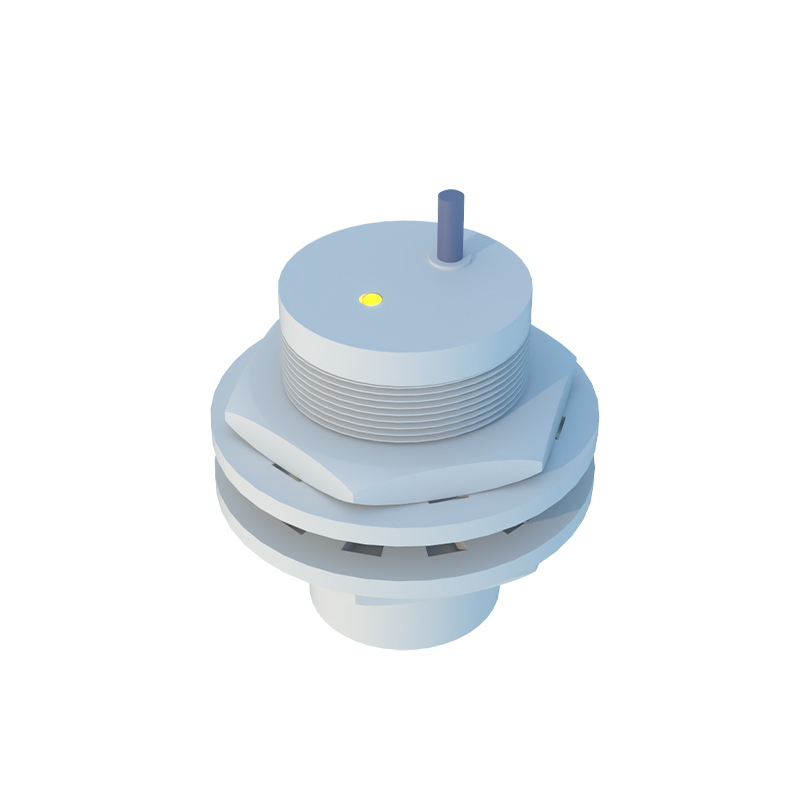
Beyond sales, a high-quality proximity sensor store offers added-value services. These may include sensor customization (such as special cable lengths or connectors), technical workshops, and comprehensive after-sales support. Some suppliers provide testing and demonstration facilities, allowing clients to validate sensor performance before purchase. Building a relationship with a trusted store ensures you receive updates on new technologies, such as IO-Link enabled sensors that facilitate predictive maintenance.
For urgent requirements, verify the store's emergency or same-day delivery services. A reliable supplier understands the cost of production stoppages. Furthermore, check if they offer value-added services like kitting, where sensors are pre-assembled with cables and connectors according to your specifications, saving valuable installation time.
In conclusion, the choice of a proximity sensor supplier is a strategic decision impacting plant efficiency and reliability. A dedicated store acts not just as a vendor, but as a technical partner. By offering expert guidance, immediate access to a wide product range, and logistical support, it becomes an integral part of your maintenance and procurement ecosystem. Investing time in identifying and partnering with such a specialized supplier pays dividends through reduced downtime, optimized sensor performance, and long-term operational savings.