In the realm of industrial automation and control systems, the reliable detection of objects and positions is paramount. Two fundamental components that serve this critical function are proximity sensors and magnetic switches. While their end goal—detecting presence or absence—is similar, their operating principles, applications, and advantages differ significantly. This article delves into the technical specifics of both, providing a clear comparison for engineers and technicians.
Proximity Sensors: Non-Contact Detection
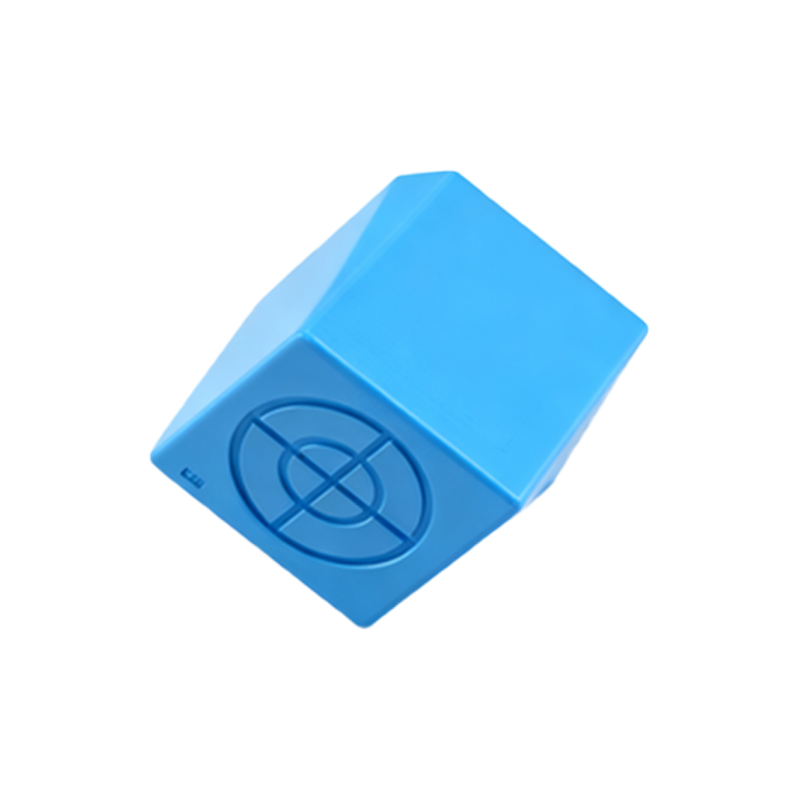
Proximity sensors are electronic devices that detect the presence or absence of an object without physical contact. They achieve this by emitting an electromagnetic field or a beam of electromagnetic radiation and looking for changes in the field or return signal. The primary types include inductive, capacitive, and photoelectric sensors.
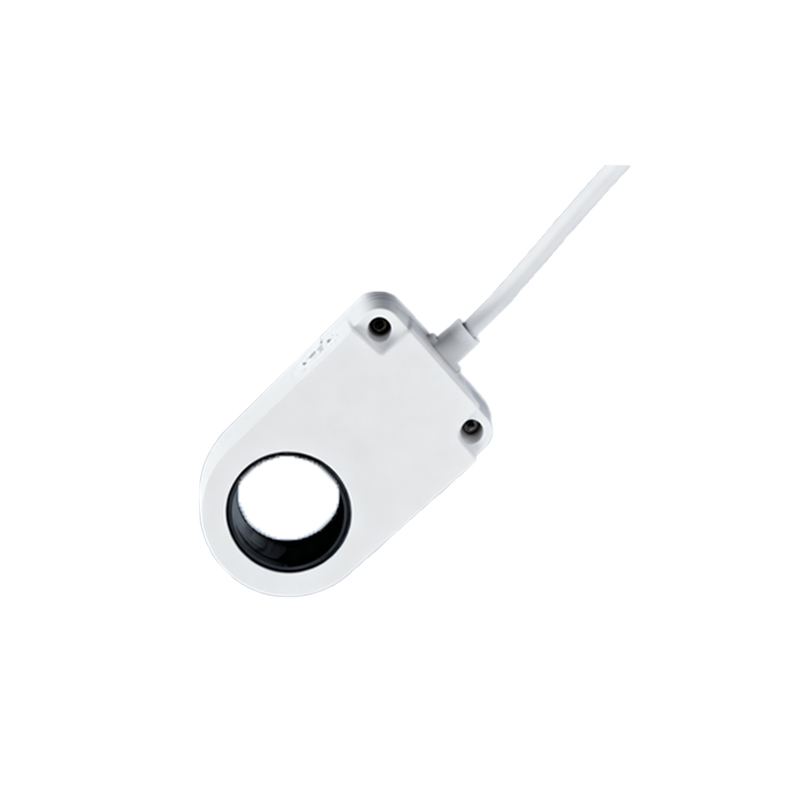
Inductive Proximity Sensors: These are the workhorses of metal detection. They generate an oscillating electromagnetic field from a coil. When a metallic object enters this field, it induces eddy currents within the object, which dampens the oscillation of the sensor's coil. This change is detected by the sensor's circuitry, triggering an output signal. They are highly reliable, resistant to environmental contaminants like dust and oil, and offer long operational life. Typical applications include detecting metal parts on conveyor belts, counting metallic objects, and determining the position of machine components like cylinders.
Capacitive Proximity Sensors: These sensors can detect both metallic and non-metallic materials (plastics, wood, liquids, granules) by measuring changes in capacitance. The sensor forms one plate of a capacitor, with the target object acting as the other plate. As the object approaches, the capacitance increases, and once it reaches a threshold, the sensor switches. They are ideal for level detection in tanks (liquids or powders), detecting filled packages, or sensing materials through non-metallic walls.
Photoelectric Sensors: Utilizing a light emitter (usually LED) and a receiver, these sensors detect objects that interrupt or reflect a light beam. They offer the longest sensing ranges and can detect virtually any material. Variants include through-beam, retro-reflective, and diffuse reflective models. Applications are vast, from detecting transparent bottles on a production line to ensuring proper positioning in packaging machinery.
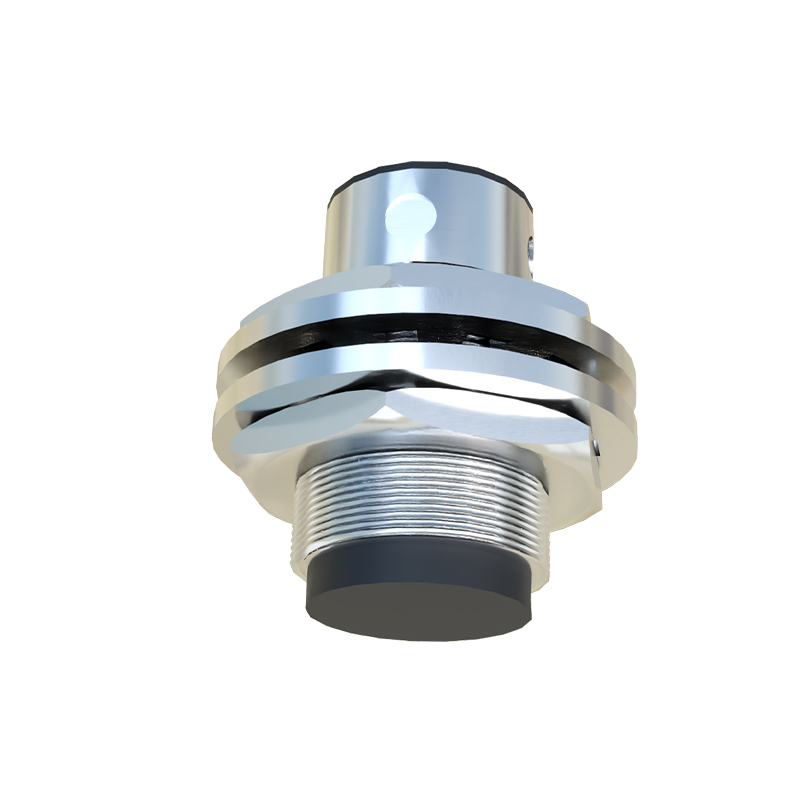
The key advantages of proximity sensors are their non-contact nature, high switching frequency, and excellent repeatability. They are not subject to mechanical wear, making them ideal for high-cycle applications.
Magnetic Switches: Reed-Based Simplicity
Magnetic switches, often referred to as reed switches or magnetic proximity switches, operate on a simpler, magneto-mechanical principle. The core component is a hermetically sealed glass tube containing two ferromagnetic reeds. When an external magnetic field (from a permanent magnet) is brought near, the reeds magnetize, attract each other, and make contact, closing the switch circuit. When the magnet is removed, the reeds spring back to their original open position.
These switches are commonly paired with a moving magnet, typically mounted on a pneumatic cylinder's piston or a door. When the magnet aligns with the switch body, it actuates. Their primary strengths are simplicity, low cost, and the ability to switch relatively high loads directly without amplification in some models. They are also highly resistant to voltage transients.
However, magnetic switches have limitations. Their sensing range is very short, typically just a few millimeters, requiring precise alignment. They are generally slower than electronic proximity sensors and can be susceptible to interference from strong external magnetic fields. Common applications include end-position detection in pneumatic cylinders, door/window security systems, and simple limit switching where environmental conditions are not extreme.
Choosing the Right Technology
The selection between a proximity sensor and a magnetic switch depends on the application requirements:
Target Material: For metals only, inductive sensors excel. For all materials, consider capacitive or photoelectric sensors. Magnetic switches require a magnet.
Sensing Distance: Proximity sensors offer much longer ranges. Magnetic switches require near-contact.
Environment: Inductive sensors are best for dirty, oily environments. Photoelectric sensors can be affected by dust and fog. Reed switches are sealed but fragile if subjected to physical shock.
Speed/ Frequency: For high-speed counting or detection, electronic proximity sensors are superior.
Cost & Complexity: Magnetic switch systems (switch + magnet) are often lower in cost and simpler to wire but may incur higher installation costs due to precision needed.
In modern systems, both technologies coexist. A complex machine might use inductive sensors for part detection, photoelectric sensors for break-beam safety curtains, and magnetic reed switches for confirming the home position of pneumatic actuators. Understanding their distinct characteristics ensures optimal selection, leading to robust, efficient, and reliable automated systems. The trend continues towards smarter sensors with integrated diagnostics and IO-Link communication, enhancing their role in