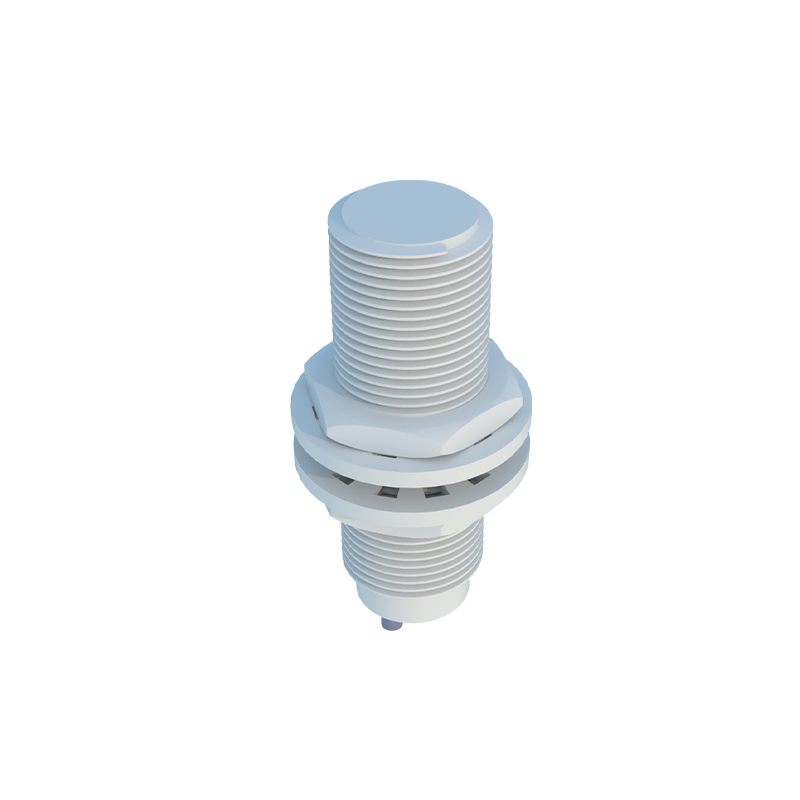
In the realm of industrial automation, proximity sensors are indispensable components for non-contact detection of objects. However, conventional sensors with metal housings often falter in extreme thermal conditions, leading to premature failure, signal drift, and compromised safety. This is where high-temperature plastic proximity sensors emerge as a critical engineering solution. Engineered from advanced thermoplastics such as PEEK (Polyether Ether Ketone), PPS (Polyphenylene Sulfide), or specially formulated high-temperature nylons, these sensors are designed to operate reliably in environments where temperatures consistently exceed 120°C, with some specialized variants rated for continuous operation up to 200°C or higher.
The core advantage lies in the material science behind these polymers. Unlike metals, which can corrode, conduct heat to internal electronics, and are susceptible to galvanic reactions, high-performance plastics offer exceptional inherent properties. They provide excellent thermal stability, maintaining their structural integrity and dielectric strength under prolonged heat exposure. Furthermore, they exhibit remarkable chemical resistance, safeguarding the sensor against aggressive oils, coolants, solvents, and acidic or alkaline washdowns common in food processing, chemical plants, and automotive manufacturing. Their low thermal conductivity acts as a natural insulator, protecting sensitive internal components like oscillators, amplifiers, and output circuits from external heat soak. This intrinsic insulation also eliminates the risk of condensation forming on the sensor body in applications with rapid thermal cycling, a common point of failure for metallic units.
From an electrical engineering perspective, the sensing principles—whether inductive, capacitive, or magnetic—remain fundamentally similar to standard sensors. However, the design and component selection are meticulously optimized for high-temperature duty. This includes the use of high-temperature solder, ceramic capacitors, and semiconductor chips rated for extended junction temperature ranges. The housing geometry is also crucial; designs often incorporate thermal fins or specific shapes to maximize heat dissipation away from the sensing face and electronics compartment. For inductive sensors, a high-temperature plastic housing does not impede the electromagnetic field generated by the coil; instead, it protects it, enabling reliable detection of metallic targets even in foundries near molten metal or in plastic injection molding machines.
Application areas are predominantly in harsh and demanding sectors. In the automotive industry, they are deployed within painting and curing ovens, on welding lines, and in engine test cells. In food and beverage production, they withstand the high-temperature steam and chemical sterilizers of CIP (Clean-in-Place) systems. They are equally vital in packaging machinery with heat-sealing stations, semiconductor fabrication, and metal die-casting processes. Their non-metallic construction also makes them ideal for applications where metal detection is undesirable or where minimal metallic influence is required, such as near sensitive electronic assemblies or in MRI equipment peripherals.
Selection and installation require careful consideration. Key parameters include the continuous and peak temperature ratings, the sensor's thermal recovery capability, the required sensing distance (which may be derated at elevated temperatures), and the ingress protection (IP) rating for combined heat and dust/moisture challenges. Electrical connection systems must also be rated for high temperatures; PTFE-insulated cables and high-temp connectors are standard. Proper mounting is essential to avoid creating thermal bridges with the machine frame and to ensure adequate airflow.
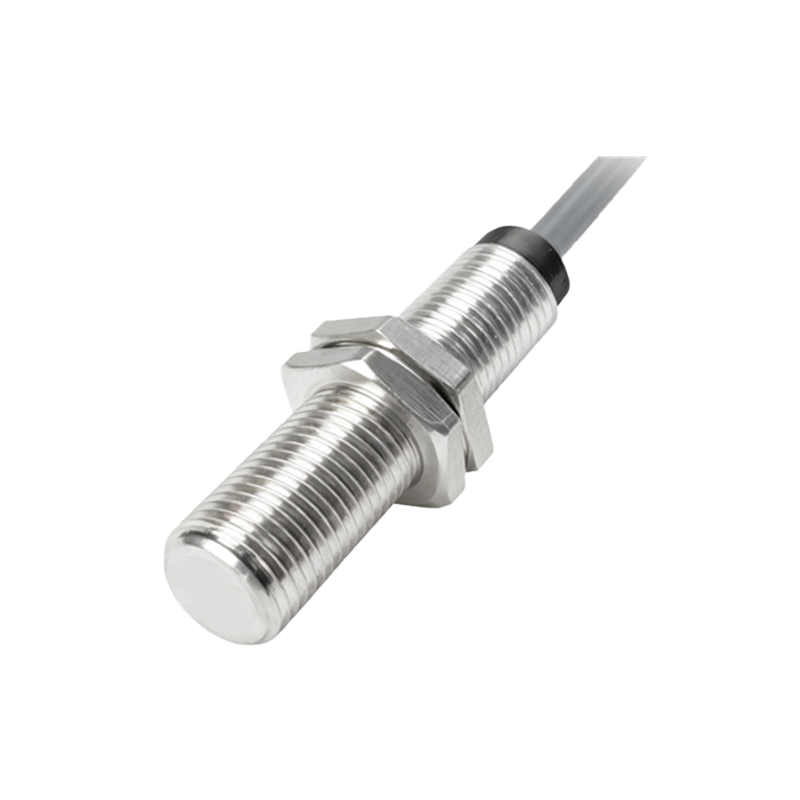
In conclusion, high-temperature plastic proximity sensors represent a sophisticated fusion of polymer engineering and electronic design. They solve fundamental reliability problems in hot environments, reducing downtime, maintenance costs, and safety risks. By specifying these specialized sensors for appropriate high-heat applications, engineers and plant managers can build more resilient, efficient, and durable automation systems, pushing the boundaries of what is possible in modern industrial operation. Their continued development parallels industry's move towards more extreme processes and higher efficiency, solidifying their role as a cornerstone of robust industrial sensing.