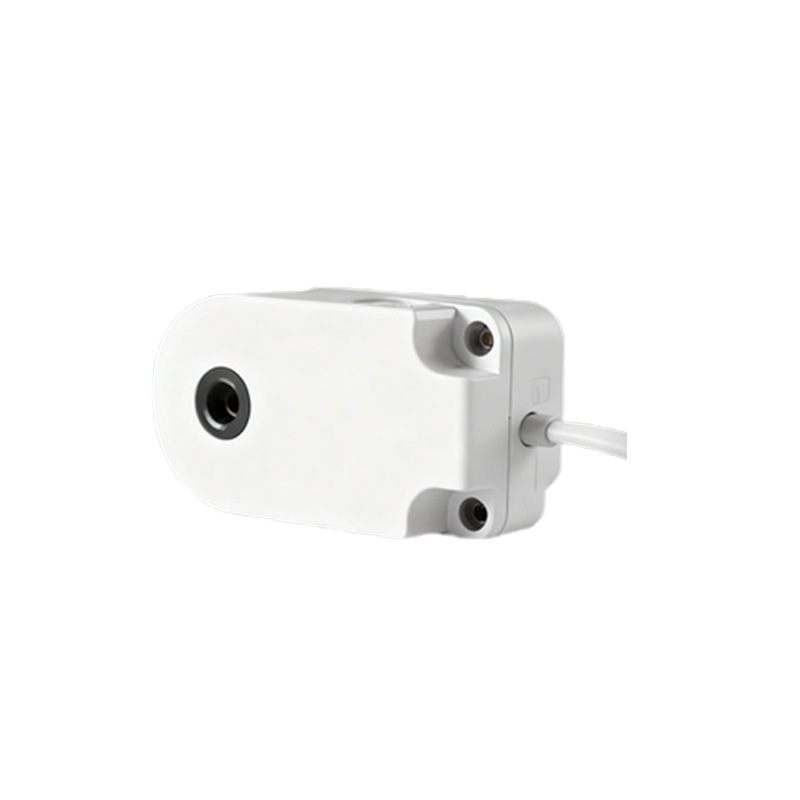
In the realm of industrial automation and control systems, proximity sensors are fundamental components used for non-contact detection of objects. A common question among engineers and system integrators is: Do proximity sensors have addresses? The answer is nuanced and depends heavily on the type of sensor and the communication network it operates within.
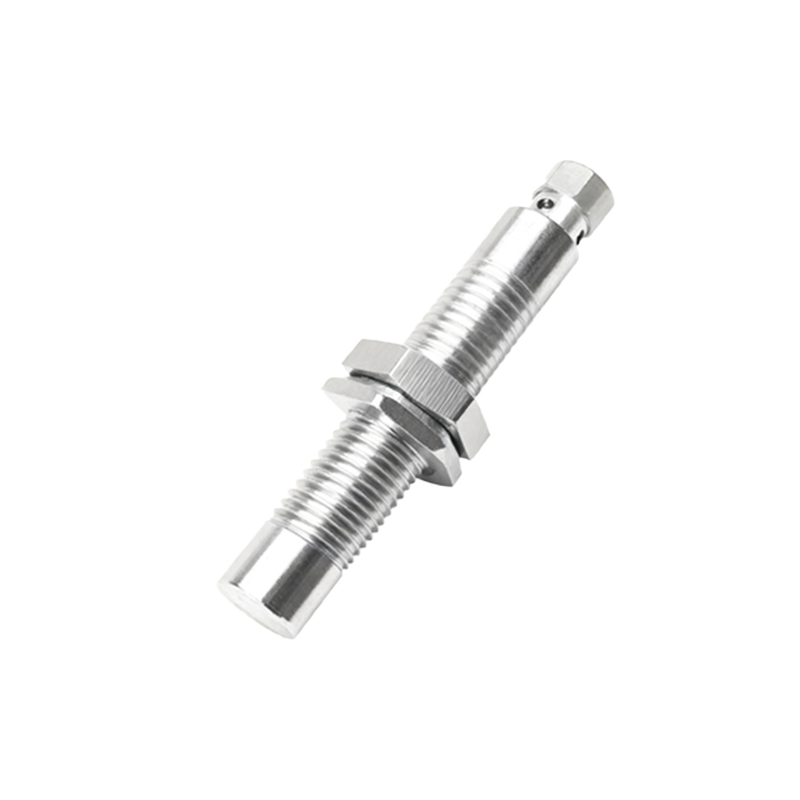
Traditional, standard inductive, capacitive, or photoelectric proximity sensors are typically simple, discrete devices. They function as binary switches, providing an ON or OFF signal (often via a PNP or NPN output) to a controller like a PLC. In this conventional wiring setup, each sensor is connected to a specific input point on the PLC. The "address" in this context is not inherent to the sensor itself but is defined by the physical wire and the PLC's input terminal to which it is connected. The PLC program references this input point (e.g., I0.1, X1) as the sensor's identifier or de facto address. This method is straightforward but can lead to complex wiring harnesses in large systems.
The landscape changes significantly with the advent of networked or "smart" sensors, particularly those compatible with industrial bus systems or Industrial Internet of Things (IIoT) architectures. Sensors integrated into networks such as PROFINET, EtherNet/IP, IO-Link, AS-Interface, or PROFIBUS do possess unique addresses. These addresses are essential for network communication, allowing the central controller to identify and exchange data with each individual sensor on the bus.
In a PROFINET system, for instance, each device, including a smart proximity sensor, is assigned a device name and an IP address. The controller uses this information to locate and communicate with the sensor. Similarly, in an AS-Interface network, each sensor module has a unique address set via a handheld addressing device or auto-addressing procedures. IO-Link, a point-to-point serial communication protocol, provides a more advanced layer. While the IO-Link master has a network address, the connected IO-Link sensors have a "port" assignment on the master. More importantly, IO-Link enables the storage of detailed parameter data (like sensing range, switching frequency) directly in the sensor's memory. This data, including a device ID, can be read by the controller, effectively giving the sensor a rich, descriptive identity beyond a simple numerical address.
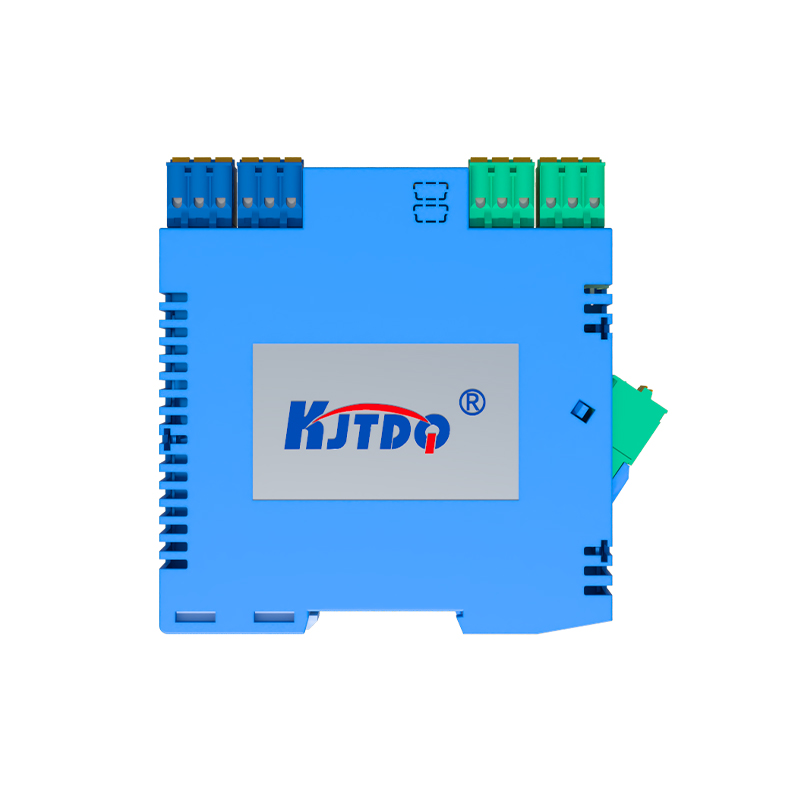
The primary advantage of sensors with network addresses is the drastic reduction in wiring. Multiple sensors can be connected via a single cable (the bus), simplifying installation and lowering costs. Furthermore, it enables advanced functionalities like remote configuration, diagnostics, and parameterization. A technician can read a sensor's operational status, identify faults, or change its parameters from a central workstation without physically accessing the device on the factory floor.
For standard sensors without built-in networking, "addressability" can be achieved through external modules. Devices like I/O blocks or remote terminal units (RTUs) can aggregate signals from multiple standard sensors and then communicate with the main controller over a network, assigning a logical address to the group of sensors. However, the granularity of data is typically at the module level, not the individual sensor level.
In conclusion, while a basic proximity sensor is not an addressed device by itself, its logical address in a control system is defined by its physical wiring endpoint. True, inherent addressing is a feature of intelligent, networked sensors that communicate via industrial protocols. The choice between standard and addressable sensors depends on the application's scale, required diagnostic depth, and system architecture. For simple, localized machine control, standard sensors remain cost-effective. For complex, distributed, and data-intensive automation systems, addressable proximity sensors on industrial networks offer unparalleled advantages in flexibility, diagnostics, and maintenance efficiency, forming a critical pillar of modern smart factory infrastructure.