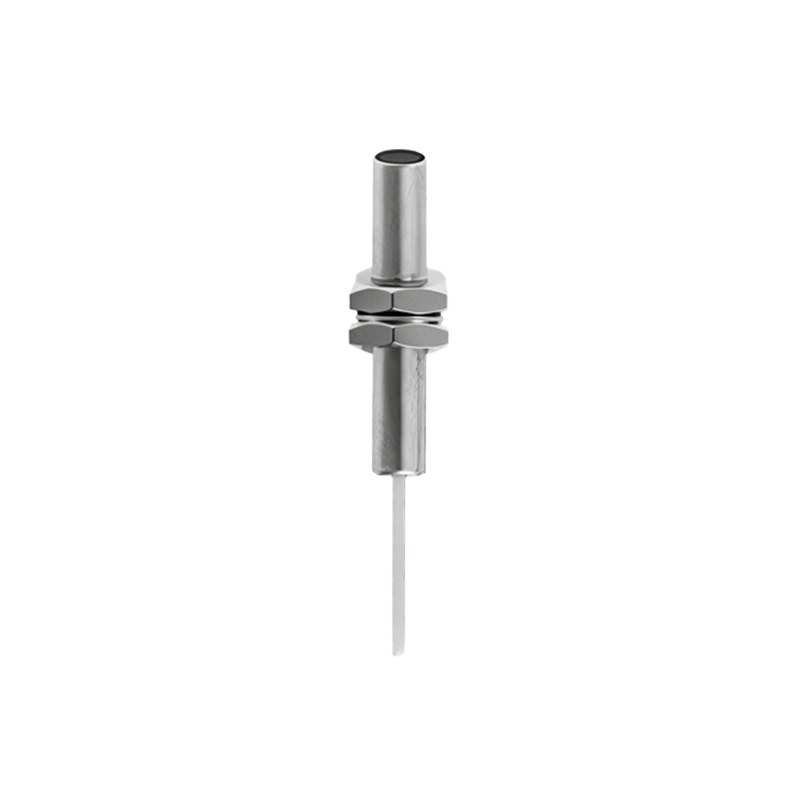
In modern industrial automation, automatic spraying systems rely heavily on precision sensing technology to ensure efficiency, consistency, and safety. Among the critical components enabling these systems are proximity sensors, specifically designed for spray applications. These sensors detect the presence or absence of objects without physical contact, allowing for seamless integration into automated painting, coating, and finishing processes. This article delves into the key models of proximity sensors used in automatic spraying, their operational principles, and selection criteria for optimal performance.
Proximity sensors for automatic spraying are typically categorized based on their sensing technology. Inductive sensors are widely used for detecting metallic objects. Models such as the PS-I Series offer high switching frequencies and robust construction, making them ideal for environments with metallic spray booths or fixtures. These sensors operate by generating an electromagnetic field; when a metallic target enters this field, it induces eddy currents, triggering the sensor output. Key features include resistance to paint overspray, temperature stability, and short-circuit protection. For non-metallic object detection, capacitive sensors like the CS-N Series are preferred. They detect materials such as plastics, wood, or liquids by measuring changes in capacitance. In spraying applications, capacitive sensors can monitor fluid levels in paint tanks or detect composite parts on conveyor lines, ensuring uninterrupted operation.
Another prominent category is ultrasonic sensors, exemplified by the US-A Series. These models use sound waves to measure distance or detect objects, regardless of material composition. In automatic spraying, ultrasonic sensors are valuable for applications requiring precise positioning, such as adjusting spray gun height based on part geometry. They excel in harsh environments where dust, mist, or varying light conditions might interfere with optical sensors. Additionally, photoelectric sensors, including the PE-L Series, employ light beams to detect objects. While less common in direct spray paths due to potential contamination from overspray, they are used in peripheral areas for part counting or triggering spray cycles when integrated with protective enclosures.
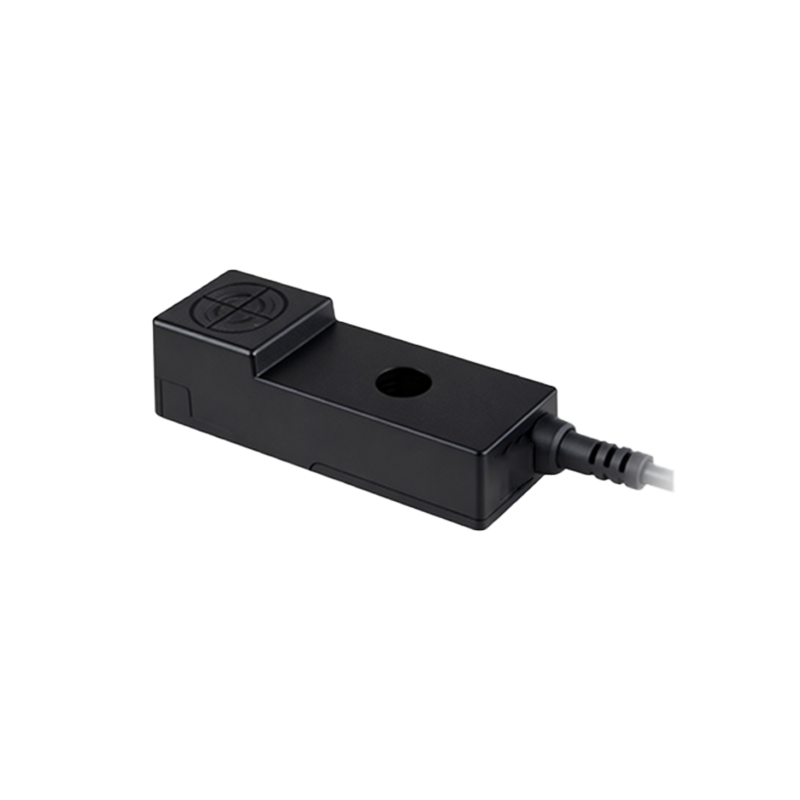
When selecting a proximity sensor for automatic spraying, several factors must be considered. Environmental durability is paramount; sensors should have high ingress protection (IP) ratings (e.g., IP67 or higher) to withstand exposure to chemicals, moisture, and particulate matter. Temperature tolerance is also critical, as spraying processes often involve heated materials or operate in fluctuating thermal conditions. Models like the PS-I Series typically support ranges from -25°C to 70°C. Response time and sensing range are equally important; faster sensors (with millisecond response times) enhance cycle speeds in high-throughput systems, while adjustable sensing ranges allow customization for different part sizes. For instance, the CS-N Series offers ranges up to 20mm for capacitive detection, sufficient for most tank-level monitoring tasks.
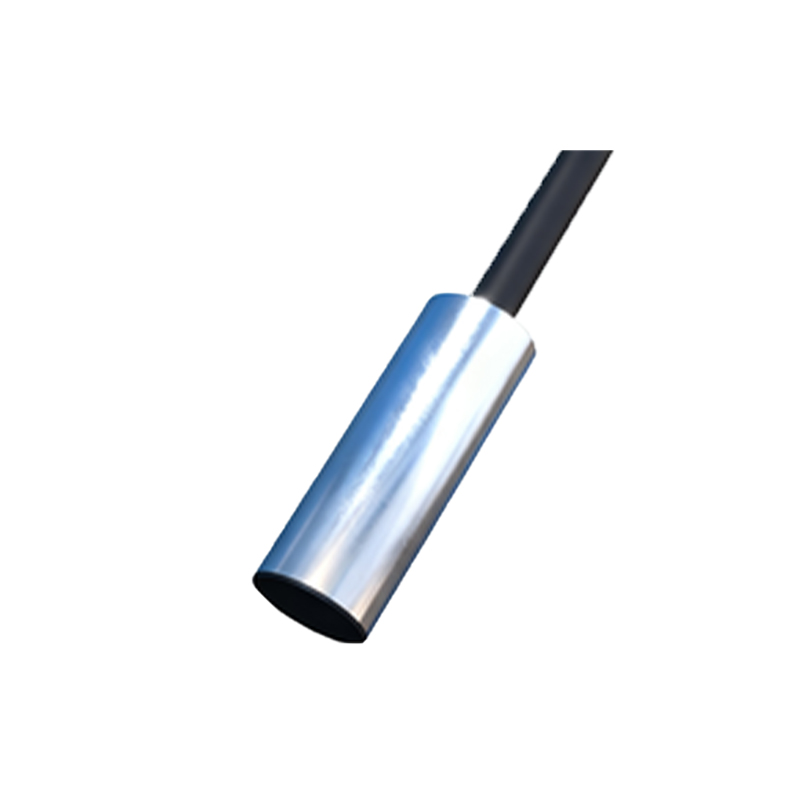
Installation and maintenance practices further influence sensor performance. Proper mounting away from direct spray paths minimizes coating buildup on sensor faces, which can degrade accuracy. Regular cleaning with compatible solvents is recommended for models without self-cleaning features. Additionally, compatibility with control systems—such as PLCs or IoT interfaces—ensures seamless data integration for real-time monitoring and predictive maintenance. Many modern sensors, including the US-A Series, feature analog outputs (e.g., 4-20mA) or digital protocols (e.g., IO-Link) for enhanced connectivity.
In summary, automatic spraying proximity sensors are indispensable for achieving precision and reliability in industrial coating processes. By understanding the strengths of inductive, capacitive, ultrasonic, and photoelectric models, engineers can tailor their selections to specific application needs. As technology advances, trends like miniaturization, enhanced smart diagnostics, and improved resistance to extreme conditions will continue to evolve, driving further efficiencies in automated spraying systems. For optimal results, always refer to manufacturer specifications and conduct pilot testing in real-world conditions before full-scale deployment.