In modern industrial environments, the demand for durable and reliable sensing technology has never been higher. Among the critical components ensuring operational continuity and safety are waterproof and oil-resistant proximity sensors. These specialized devices are engineered to detect the presence or absence of objects without physical contact, even in the harshest conditions where exposure to liquids, oils, coolants, and particulate matter is commonplace. Their role extends far beyond basic detection; they are integral to automation, process control, and machinery protection across diverse sectors such as manufacturing, food and beverage processing, automotive assembly, and marine applications.
The core function of a proximity sensor is to emit an electromagnetic field or a beam of electromagnetic radiation and look for changes in the field or return signal. Inductive, capacitive, and ultrasonic are common types, each suited to different materials and ranges. However, standard sensors falter when contaminants invade their housing, leading to false signals, degraded performance, or complete failure. This is where waterproof (often rated IP67, IP68, or IP69K) and oil-resistant designs become indispensable.
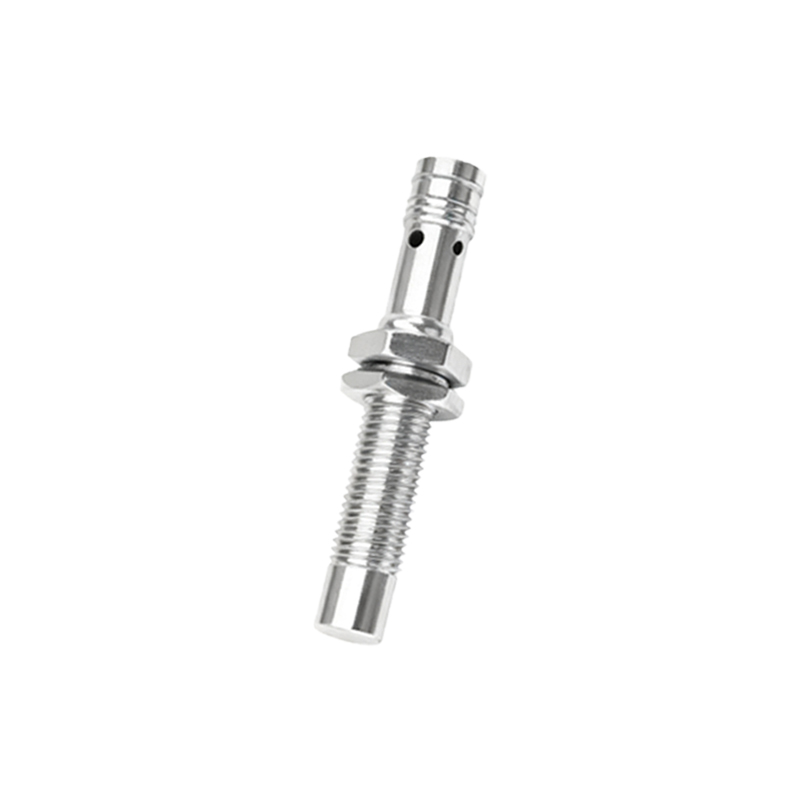
Waterproofing typically involves sealed housings made from materials like stainless steel (e.g., SUS304 or SUS316) or ruggedized plastics, along with specialized seals and gaskets that prevent ingress of water and dust. Oil resistance, on the other hand, requires careful selection of materials for the sensor face, cables, and seals that can withstand degradation from oils, greases, solvents, and cleaning chemicals without swelling, cracking, or losing sealing integrity. Many sensors combine these features, certified under international standards such as IEC 60529 for Ingress Protection (IP) ratings and NEMA standards, ensuring they can operate reliably in washdown environments, submerged conditions, or areas with constant oil mist.
The practical applications are vast. In food processing plants, sensors must endure frequent high-pressure, high-temperature cleaning with caustic solutions while detecting metal containers or packaging on production lines. Any failure could lead to contamination or costly downtime. In automotive manufacturing, robots welding and assembling components are exposed to coolants and lubricants; robust proximity sensors ensure precise positioning and collision avoidance. In maritime or offshore settings, sensors monitor equipment while resisting saltwater corrosion. Even in hydraulic systems, where oil leaks are a risk, oil-resistant sensors provide critical feedback on piston position or valve status.
Beyond durability, these sensors enhance system efficiency and safety. By providing consistent, accurate detection in contaminated environments, they prevent machine jams, reduce waste, and minimize unplanned maintenance. Their reliability supports the implementation of predictive maintenance strategies, as they themselves require less frequent replacement. Furthermore, in industries with strict hygiene or safety regulations, such as pharmaceuticals or chemical processing, using appropriately rated sensors is often a compliance necessity.
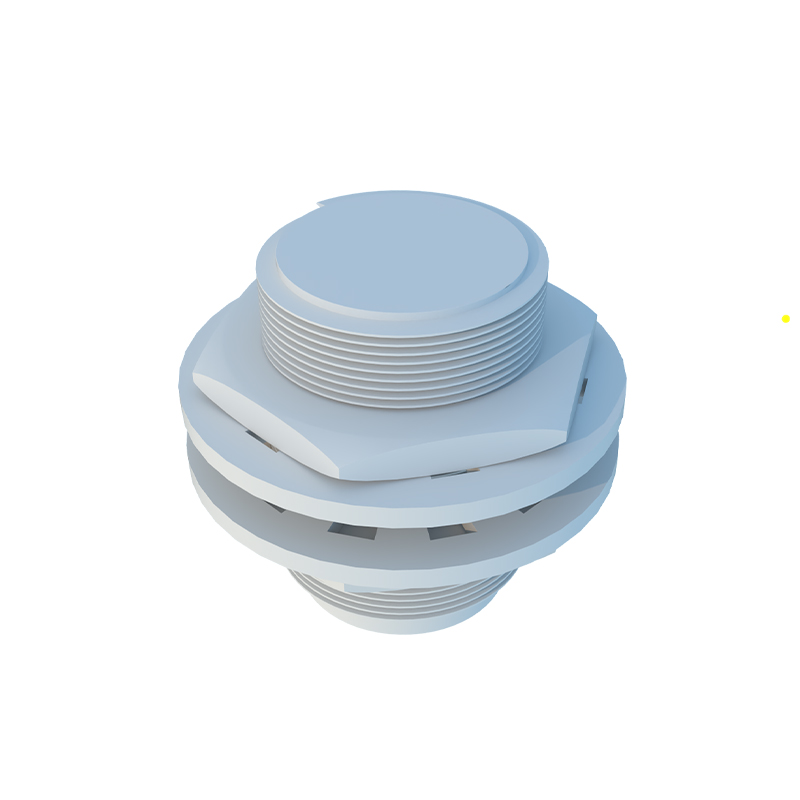
When selecting a waterproof and oil-resistant proximity sensor, engineers must consider several factors: the specific environmental threats (type of liquid, temperature extremes, pressure washing), the required sensing distance and target material, electrical output type (e.g., PNP/NPN, analog, IO-Link), and housing form factor for easy installation. Modern advancements include sensors with enhanced resistance to specific chemicals, integrated diagnostics for condition monitoring, and designs that minimize blind zones for mounting flexibility.
In conclusion, waterproof and oil-resistant proximity sensors are not merely optional upgrades but fundamental elements for resilient industrial automation. They bridge the gap between sophisticated electronic control and the demanding realities of factory floors and outdoor installations. By ensuring dependable operation amidst fluids and contaminants, they protect investments, uphold productivity, and contribute significantly to the advancement of Industry 4.0 and smart manufacturing initiatives where uptime and data integrity are paramount. Their continued evolution in materials science and sealing technology will further push the boundaries of where automated sensing can be reliably deployed.