In the realm of automotive diagnostics and engine management, interpreting the voltage signal from an oxygen sensor (O2 sensor) is a fundamental skill. A common point of inquiry among technicians and enthusiasts is whether a voltage reading approaching 1 volt signifies a lean air-fuel mixture. The short answer is: typically, no. In fact, the opposite is generally true. To understand this fully, we must delve into the operational principles of the most common type—the zirconia dioxide (ZrO2) sensor.
A standard narrowband zirconia O2 sensor generates a voltage signal based on the difference in oxygen content between the exhaust gas and the ambient air outside the sensor. Its output is not linear across all air-fuel ratios (AFR) but rather exhibits a sharp voltage change around the stoichiometric point (approximately 14.7:1 for gasoline). The sensor's electrolyte produces a high voltage when there is a significant difference in oxygen concentration. A rich mixture (excess fuel, low oxygen in the exhaust) creates a large oxygen differential, causing the sensor to generate a high voltage, typically in the range of 0.8 to 1.0 volts. Conversely, a lean mixture (excess oxygen, high oxygen in the exhaust) minimizes the oxygen differential, resulting in a low voltage output, usually between 0.1 to 0.3 volts.
Therefore, a sustained voltage reading near 1V (e.g., 0.9V) strongly suggests the engine control unit (ECU) is detecting a rich condition or the sensor itself is reporting one. The ECU's primary feedback loop uses this signal to constantly adjust fuel injector pulse width, aiming to keep the voltage switching rapidly around 0.45V (the rough midpoint). A voltage "pegged" high indicates the system is persistently rich, and the ECU will attempt to compensate by reducing fuel delivery.
Several scenarios can cause an O2 sensor voltage to remain high:
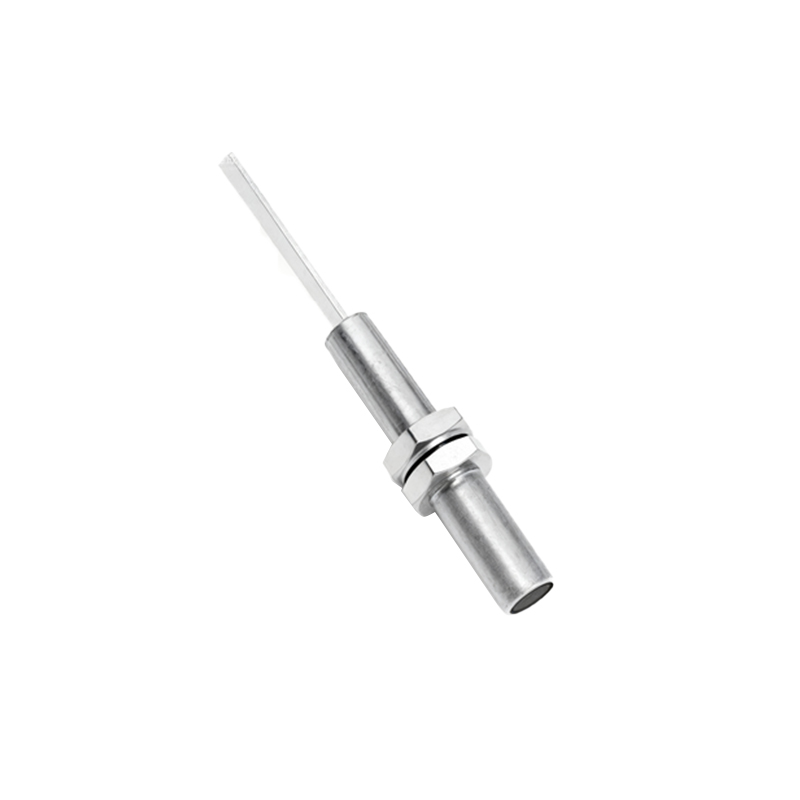
1. Actual Rich Condition: Faulty fuel injectors (leaking or stuck open), excessive fuel pressure, a failing fuel pressure regulator, a clogged air filter, or issues with mass airflow (MAF) or manifold absolute pressure (MAP) sensors under-reporting airflow.
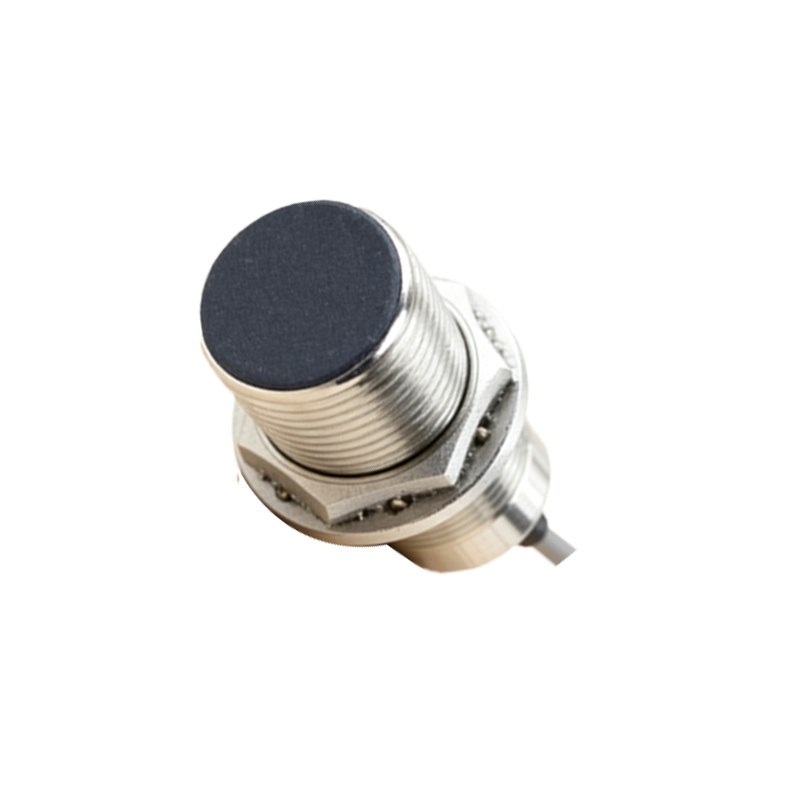
2. Sensor or Circuit Fault: A contaminated sensor (e.g., by silicone, coolant, or oil ash) can sometimes produce biased high readings. A short to voltage in the sensor signal circuit will also cause a falsely high voltage reading at the ECU.
3. Exhaust Leak: An upstream exhaust leak, before the sensor, can allow ambient air to enter, which might be misinterpreted. However, this often leads to a lean (low voltage) reading because extra oxygen is introduced. A high reading from a leak is less common but possible depending on the leak's location and effect on gas flow.
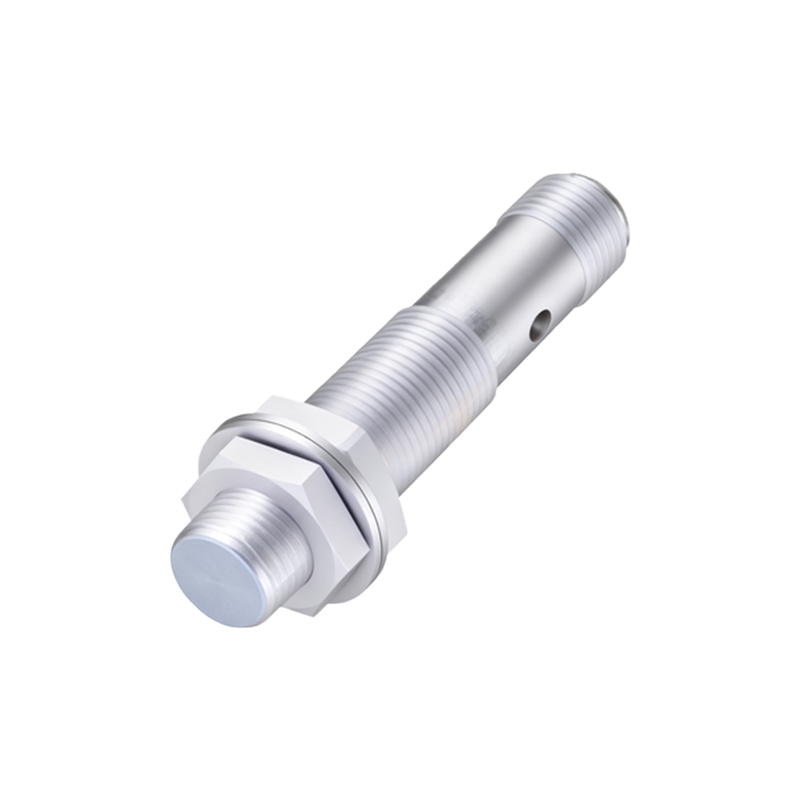
4. False Rich from Other Issues: A misfire can dump unburned oxygen and fuel into the exhaust. While this often creates a lean signal from the oxygen, complex chemical reactions in the exhaust can sometimes lead to confusing sensor readings.
It is crucial to distinguish between a sustained high voltage and the normal switching pattern. A functional upstream O2 sensor in closed-loop operation should oscillate between roughly 0.1V and 0.9V. Seeing it hit 0.9V is normal; seeing it stay there is not. A downstream O2 sensor (after the catalytic converter) should have a much more dampened, steady waveform; a consistently high voltage downstream often indicates a failing catalyst or an issue originating upstream.
Diagnostic steps should include:
- Observing the live data waveform to confirm it is stuck high and not switching.
- Checking related sensor data (MAF, MAP, coolant temperature, fuel trim). High positive long-term fuel trim values (+10% or more) would indicate the ECU is actively trying to remove fuel to compensate for a perceived rich condition, corroborating the high O2 voltage.
- Performing a propane enrichment test or inducing a known vacuum leak. Artificially enriching the mixture should drive the voltage high; introducing a lean condition should drive it low. If the sensor does not respond correctly, it is likely faulty.
- Inspecting for exhaust leaks and visible sensor contamination.
In summary, for a conventional zirconia oxygen sensor, a voltage persistently near 1 volt is a classic indicator of a rich air-fuel mixture or a fault causing a rich signal, not a lean one. Accurate interpretation requires viewing the sensor signal as part of a comprehensive dataset including fuel trims and other engine parameters. Misdiagnosing a high voltage as lean could lead to incorrect repairs, such as increasing fuel delivery, thereby exacerbating the underlying problem. Always correlate the O2 sensor voltage with fuel trim percentages for a definitive diagnosis of the