In the realm of industrial automation and machine control, the reliability and precision of sensing components are paramount. Among these, the 3-wire 20mm proximity switch stands as a cornerstone technology, offering robust and non-contact detection for a vast array of applications. This article delves into the technical specifications, operational principles, wiring configurations, and key selection criteria for these ubiquitous sensors.
A proximity switch, fundamentally, is a sensor that detects the presence or absence of a metallic object without physical contact. The "20mm" designation refers to the nominal sensing distance, typically 20 millimeters for a standard mild steel target. This sensing range is a critical parameter, defining the operational envelope of the sensor. The "3-wire" configuration indicates the electrical interface, which is the most common setup for DC-powered inductive proximity sensors, providing a straightforward connection to programmable logic controllers (PLCs) and other control systems.
The core technology behind most 3-wire 20mm proximity switches is electromagnetic induction. The sensor's face contains an oscillator coil that generates a high-frequency electromagnetic field. When a conductive metal object enters this field, eddy currents are induced on the surface of the target. This action dampens the oscillation amplitude of the coil. An integrated circuit within the sensor monitors this change and triggers a solid-state switching output. This entire process is contactless, ensuring no wear on the sensor or the target, leading to exceptionally long service life and high reliability in demanding environments.
The three wires are color-coded for universal identification: brown for the positive supply voltage (typically 10-30V DC), blue for the common negative or 0V, and black for the switched output signal. There are two primary output types: NPN (sinking) and PNP (sourcing). An NPN output switches the black wire to the negative (blue) line, effectively sinking current to ground when activated. Conversely, a PNP output switches the black wire to the positive (brown) line, sourcing current from the supply. The choice between NPN and PNP is dictated by the input circuitry of the connected controller. It is crucial to match the sensor's output type with the PLC's input card specification to ensure proper operation. Additionally, these sensors are available in both Normally Open (NO) and Normally Closed (NC) logic configurations, providing flexibility for control logic design.
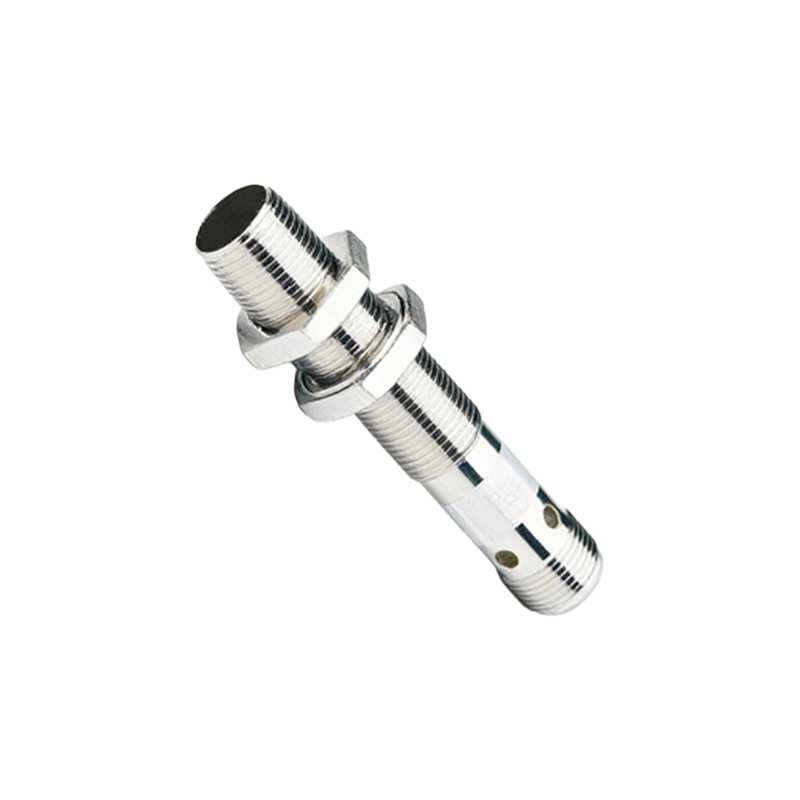
Key technical specifications for a 20mm 3-wire proximity sensor extend beyond just the sensing distance. The housing material, often nickel-plated brass, stainless steel, or ruggedized PBT plastic, determines its resistance to chemicals, impacts, and temperature extremes. The IP (Ingress Protection) rating, such as IP67 or IP68, certifies its protection against dust and water ingress, making it suitable for washdown areas or outdoor use. Operating voltage range, switching frequency (how quickly it can detect objects in succession), and temperature tolerance are all vital parameters for system integration. Furthermore, the sensor's behavior with different target materials must be considered; the rated 20mm sensing distance is for mild steel. For stainless steel, the effective range reduces, while for copper or aluminum, it reduces even more significantly. Correction factors provided in datasheets are essential for accurate application.
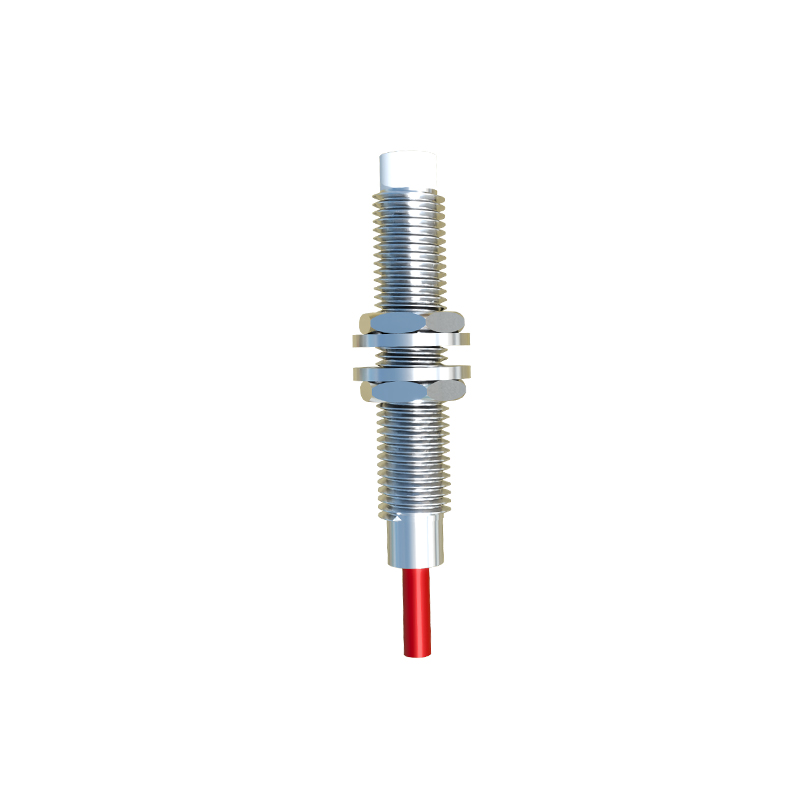
Typical applications for these sensors are extensive. They are used for position sensing of machine parts, end-of-travel detection on linear actuators, counting metallic objects on conveyor belts, verifying the presence of a tool in a spindle, and monitoring the position of cylinders via metallic flags. Their robust construction allows them to perform reliably in harsh conditions involving vibration, coolant, metal chips, and oil mist common in machining, packaging, material handling, and automotive assembly lines.
When selecting a 3-wire 20mm proximity switch, engineers must conduct a thorough analysis. First, define the target material, size, and required sensing distance with a safety margin. Second, determine the required electrical characteristics: supply voltage, output type (NPN/PNP), and current rating. Third, assess the environmental conditions, including temperature, potential for physical damage, and exposure to liquids or contaminants to specify the housing and IP rating. Finally, consider mechanical factors like the required mounting style (flush or non-flush mount), thread size (commonly M20 or M30 for 20mm sensors), and connection type (pre-wired cable or quick-disconnect).
In conclusion, the 3-wire 20mm inductive proximity switch is a versatile and indispensable component in modern industrial systems. Its non-contact operation, durability, and simple integration make it a preferred choice for reliable object detection. A deep understanding of its operating principles, wiring, and specifications empowers engineers and technicians to deploy these sensors effectively, ensuring optimal performance, enhanced machine safety, and improved operational efficiency across countless automated processes.