In the rapidly evolving landscape of mobile technology, proximity sensors have become an indispensable component, quietly enhancing user interaction and device functionality. These small, often overlooked sensors are primarily designed to detect the presence of nearby objects without any physical contact. In smartphones, they typically use infrared (IR) light to sense when a user brings the phone close to their ear during a call, automatically turning off the display to prevent accidental touches and conserve battery life. However, the application of proximity sensors extends far beyond this basic function, playing a crucial role in various mobile applications that improve convenience, accessibility, and efficiency.
One of the most significant applications is in power management and screen control. Many modern apps leverage the proximity sensor to dim or turn off the screen when the device is placed in a pocket or bag, reducing unnecessary power consumption. This is particularly useful for multimedia apps that continue playing audio in the background. Additionally, gaming apps utilize proximity sensors for immersive experiences. For instance, certain games incorporate gestures where covering the sensor with a hand triggers specific in-game actions, adding a layer of physical interaction beyond touchscreen inputs. This innovative use transforms the sensor into a controller, enriching gameplay without requiring additional hardware.

In the realm of accessibility, proximity sensors contribute to creating more inclusive mobile experiences. Apps designed for users with visual impairments can employ the sensor to detect hand movements or object proximity, enabling non-visual navigation cues. For example, a reading app might use the sensor to pause or play audio content when a user moves their hand close to the device, facilitating hands-free control. Moreover, in automotive apps integrated with smartphones, proximity sensors help enhance safety by detecting if the phone is placed in a car mount, automatically activating driving modes that minimize distractions.
Retail and augmented reality (AR) apps also harness the potential of proximity sensors. In shopping applications, the sensor can detect when a user brings the phone near a product tag or display, triggering additional information, reviews, or AR overlays that provide a richer shopping experience. Similarly, educational AR apps use proximity data to adjust virtual content based on the user's distance from real-world objects, making learning more interactive. This seamless blend of physical and digital realms relies on the sensor's ability to provide real-time spatial awareness.
From a development perspective, integrating proximity sensor functionality into mobile apps requires careful consideration of platform-specific APIs and user privacy. On iOS, developers access the sensor through the Core Motion framework, while Android provides the SensorManager class. Best practices include calibrating sensor sensitivity to avoid false triggers and ensuring that sensor usage does not drain battery excessively. It is also crucial to design fallback mechanisms for devices without proximity sensors or with malfunctioning ones, maintaining app reliability across diverse hardware.
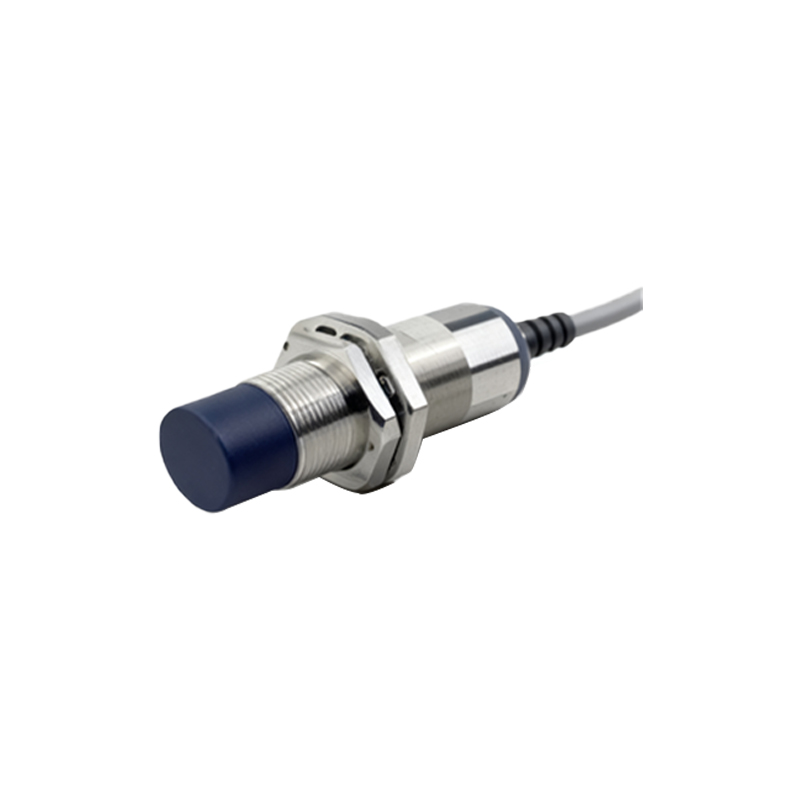
Looking ahead, the role of proximity sensors in mobile apps is poised to expand with advancements in IoT and wearable technology. Future applications may include more sophisticated gesture recognition for smart home control, health monitoring apps that detect breathing patterns, or enhanced security features that use proximity as an authentication factor. As 5G and edge computing evolve, the low-latency data from these sensors will enable more responsive and context-aware applications, further blurring the lines between the physical and digital worlds.
In conclusion, proximity sensors are a silent yet powerful enabler of innovative mobile app functionalities. From improving battery life and gaming interactions to fostering accessibility and enabling AR experiences, their applications are diverse and impactful. For developers and engineers in the electrical and mobile industries, understanding and leveraging this technology is key to creating next-generation apps that are intuitive, efficient, and engaging. As mobile devices continue to integrate more sensors, the proximity sensor will remain a fundamental tool for enhancing human-device interaction.