In the intricate world of automation and smart technology, proximity sensors operate as the silent, unseen sentinels. Their core function is to detect the presence or absence of an object within a specified range without any physical contact. This non-contact detection is made possible by a sophisticated interplay of internal components, each playing a critical role in the sensor's reliability and accuracy. Understanding these components is essential for selecting the right sensor for an application and for effective troubleshooting.
At the heart of most proximity sensors lies the Oscillator Circuit. This component generates a high-frequency electromagnetic field or ultrasonic waves that radiate from the sensor's face. In inductive sensors, this field is generated by a coil within the oscillator. The type and stability of the oscillator directly influence the sensor's sensing range and immunity to electrical noise.
The Detection Circuit is the analytical brain of the sensor. It continuously monitors the oscillator's field. When a target object enters this field, it causes a detectable change. For an inductive sensor, a metallic object induces eddy currents, dampening the oscillator's amplitude. In a capacitive sensor, any object alters the capacitance. An ultrasonic sensor detects a change in the reflected sound wave. The detection circuit is finely tuned to recognize this specific change and ignore minor environmental fluctuations.
Once the detection circuit confirms a target, it sends a signal to the Output Circuit. This component is responsible for switching the state of the output device, which is the sensor's way of communicating with the larger control system, such as a Programmable Logic Controller (PLC). Common output types include NPN (sinking), PNP (sourcing), and analog (4-20mA or 0-10V). The output circuit often contains a solid-state switch, like a transistor, for fast, wear-free operation, or a relay in some older or high-power models.
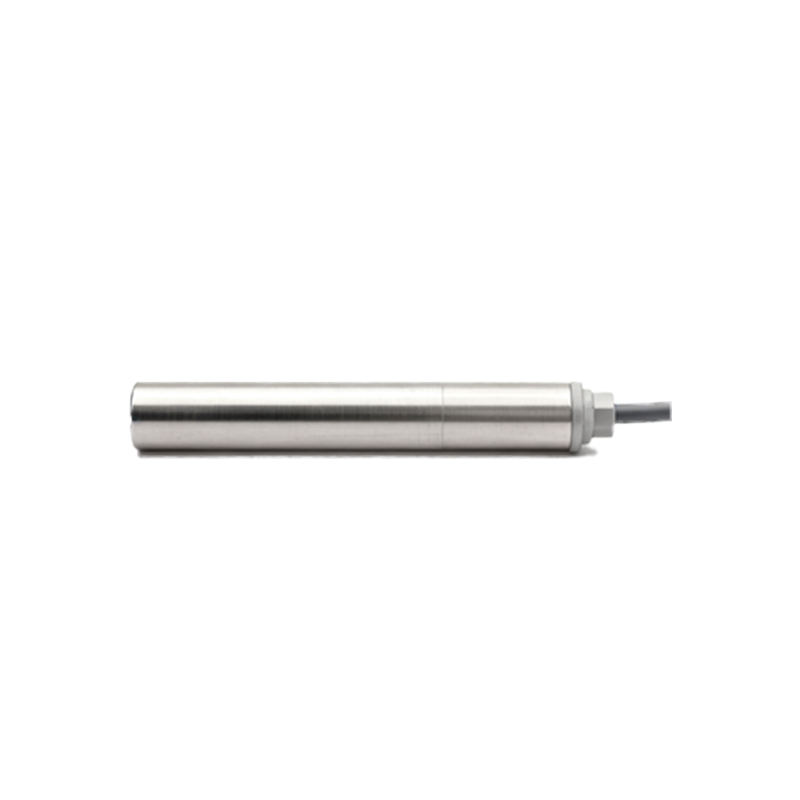
Protecting these sensitive electronic components is the Housing. This is more than just a shell; it is a critical component for durability. Housings are typically made from robust materials like nickel-plated brass, stainless steel, or industrial-grade plastics (PBT). The housing's Ingress Protection (IP) rating defines its resistance to dust and water, crucial for operation in harsh industrial environments. The shape and size of the housing, including threaded barrels or block styles, determine how the sensor is mounted.
Finally, the Sensing Face is the frontline component. It is the part of the housing through which the electromagnetic or ultrasonic field is emitted and received. This face is often made from a specific material, such as a ferrite core in inductive sensors, that shapes and directs the field. For capacitive sensors, it often forms one plate of the capacitor. The material must be chosen to be chemically resistant and mechanically strong, as it is most susceptible to physical damage or coating by contaminants.
Different sensor technologies utilize variations of these core components. An Inductive Proximity Sensor primarily detects metals. Its key component is a coil of wire wound around a ferrite core, which forms the oscillator's inductor. A Capacitive Proximity Sensor can detect nearly any material, including liquids and powders. It features a sensing electrode (the sensing face) that forms one plate of a capacitor, with the target object or the background acting as the other plate. Ultrasonic Proximity Sensors use a piezoelectric transducer as a core component, which acts as both the transmitter (creating sound waves) and the receiver (detecting the echo).
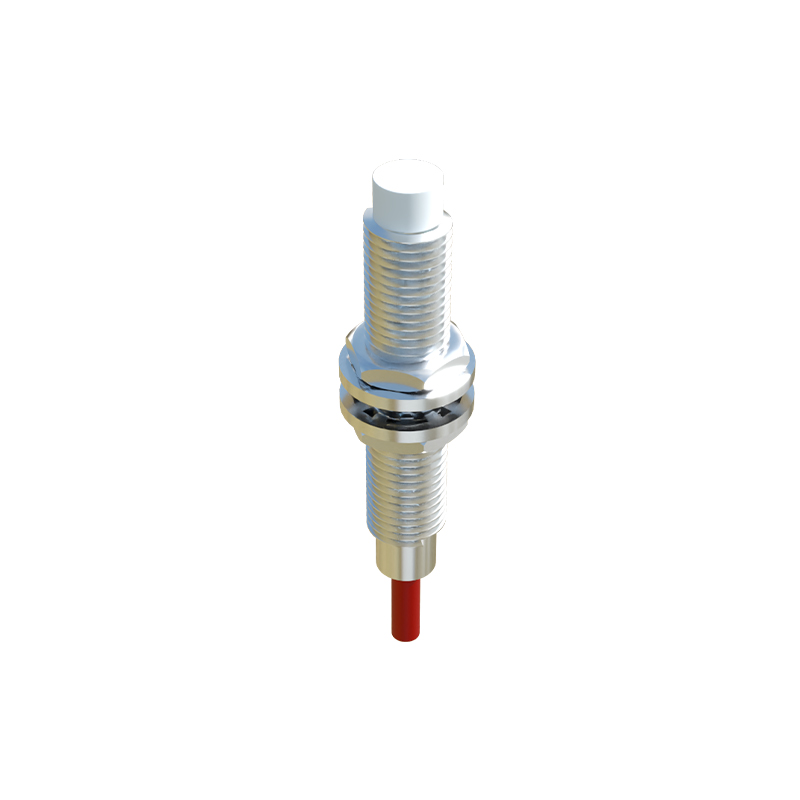
The selection of a proximity sensor hinges on the application's specific demands: the target material, required sensing distance, environmental conditions (temperature, presence of oils or coolants), and the needed output signal. By comprehending the function of its internal components—the oscillator creating the field, the detection circuit interpreting changes, the output circuit relaying the signal, all housed and protected for resilience—engineers and technicians can ensure these vital devices perform their silent watch with unwavering precision, forming the backbone of modern automated systems.