Laser sensors are critical components in modern industrial automation, robotics, and measurement systems, prized for their high precision, speed, and non-contact operation. However, a common and significant challenge affecting their long-term performance and reliability is signal attenuation. Attenuation refers to the reduction in the strength or intensity of the laser beam as it travels from the transmitter to the target and back to the receiver, leading to decreased signal-to-noise ratio, measurement errors, or complete sensor failure. Understanding the root causes of this attenuation is essential for proper sensor selection, installation, and maintenance. The primary causes can be categorized into environmental factors, optical path issues, and component degradation.
Environmental factors are often the most prevalent cause of laser sensor attenuation. Contaminants such as dust, oil mist, smoke, or steam present in the industrial atmosphere can scatter or absorb the laser light. For instance, in welding, machining, or food processing environments, airborne particles directly interfere with the beam path. Furthermore, ambient light interference, particularly from strong sources like direct sunlight, arc welding, or other high-intensity lamps, can flood the sensor's photodetector, overwhelming the intended laser signal. Temperature fluctuations also play a crucial role; extreme heat or cold can affect the laser diode's output wavelength and the detector's sensitivity, while thermal gradients in the air can cause beam bending (refraction) and signal loss.
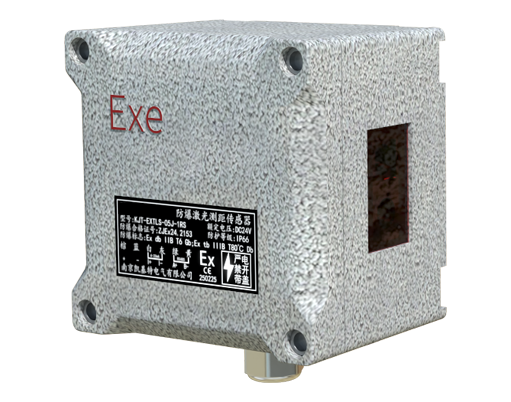
The second major category involves issues within the optical path itself. Physical obstructions, even temporary ones like passing objects or accumulated debris on the sensor's lens or a protective window, will block or diffuse the beam. Misalignment is another critical factor. Over time, vibration, mechanical shock, or thermal expansion can cause slight shifts in the sensor's or reflector's position, misaligning the precise optical path required for optimal signal return. Additionally, the characteristics of the target surface significantly impact signal strength. Highly reflective, specular surfaces can deflect the beam away from the receiver, while dark, matte, or transparent surfaces absorb or transmit most of the light, resulting in a weak return signal.

Finally, internal component degradation leads to inherent attenuation. The laser diode, the heart of the sensor, has a finite lifespan. Its output power gradually decreases over thousands of operating hours due to aging effects within the semiconductor material. Similarly, the photodetector that receives the returning light can lose sensitivity. The optical elements, including lenses, filters, and windows, can degrade due to coating wear, scratching, or the permanent buildup of contaminants that cannot be cleaned off. These factors cause a gradual, often irreversible, decline in system performance.
Mitigating laser sensor attenuation requires a proactive approach. Selecting the right sensor for the environment is the first step—models with higher output power, robust housings (IP67/IP69K), and narrow-band optical filters to reject ambient light are available. Proper installation is key: ensuring secure mounting to minimize vibration, using alignment tools for precise setup, and installing protective air knives or purging systems to keep lenses clean in dirty environments. Regular maintenance schedules should include inspection and careful cleaning of optical surfaces with appropriate materials. For critical applications, implementing redundancy or using sensors with built-in diagnostic features that monitor output power and signal strength can provide early warnings of attenuation issues, allowing for intervention before failure occurs. By systematically addressing these causes, engineers can maximize the operational lifespan and accuracy of laser sensing systems, ensuring continued reliability in demanding applications.