In the realm of industrial automation and electronic systems, the proximity sensor stands as a fundamental component, enabling machines to "sense" the presence or absence of nearby objects without any physical contact. This non-contact detection capability is pivotal for enhancing efficiency, safety, and reliability across countless applications. This guide delves into the working principles, various types, key applications, and critical selection criteria for proximity sensors.
At its core, a proximity sensor detects the presence of a target object within its sensing range. It does this by emitting an electromagnetic field, beam, or ultrasonic waves and then looking for changes in the field or return signal. The absence of physical contact means no mechanical wear, ensuring a long operational life and high reliability. The output signal from the sensor, typically a switch-like on/off signal, is then used to trigger actions in a control system, such as counting objects, determining position, or initiating a safety stop.
There are several primary types of proximity sensors, each based on different physical principles. Inductive proximity sensors are among the most common. They generate an oscillating electromagnetic field and detect the eddy current losses caused when a metallic object enters this field. They are robust, resistant to environmental factors like dust and oil, and are exclusively used for detecting metals, primarily ferrous metals like steel and iron.
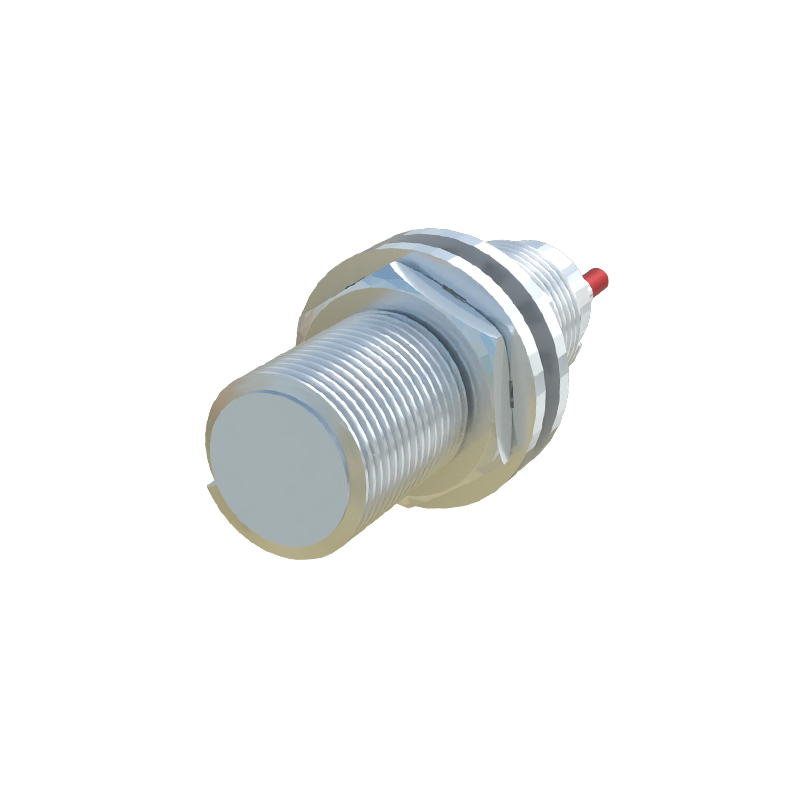
Capacitive proximity sensors, on the other hand, can detect both metallic and non-metallic materials, including liquids, powders, plastics, and wood. They function by generating an electrostatic field and sensing the change in capacitance when an object enters this field. This makes them versatile for applications like liquid level detection or sensing through non-metallic container walls.
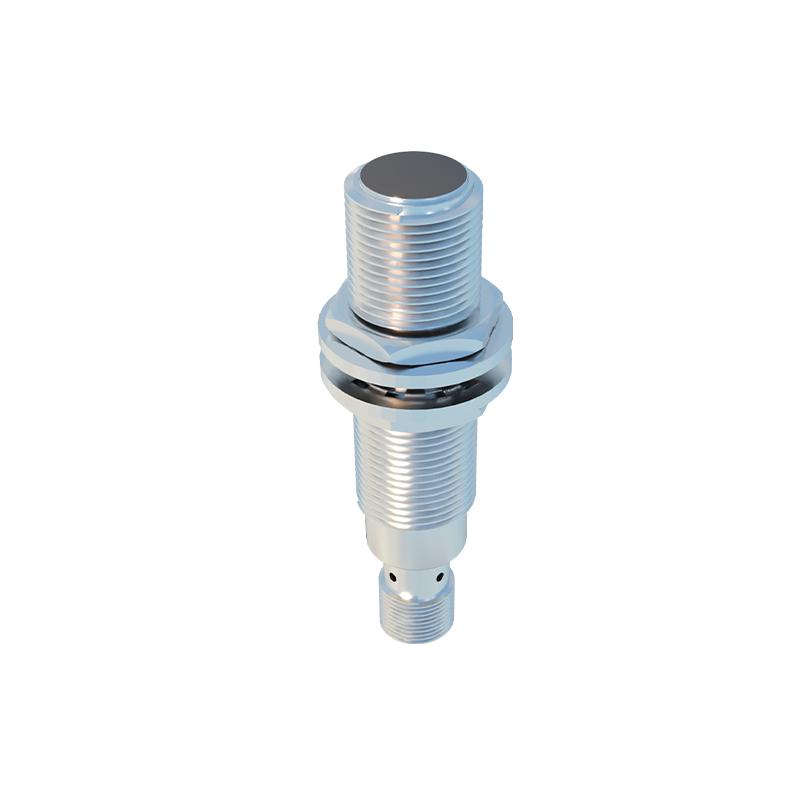
Photoelectric sensors use light, typically infrared, visible red, or laser light, to detect objects. They consist of an emitter and a receiver. In the through-beam type, the object breaks the light beam between separate emitter and receiver units. In the retro-reflective type, the object interrupts a beam reflected back from a reflector. In the diffuse type, the sensor detects light reflected directly off the object itself. Photoelectric sensors offer long sensing ranges and can detect virtually any material.
Ultrasonic sensors operate by emitting high-frequency sound waves and evaluating the echo received back. They measure the time interval between sending the signal and receiving the echo to calculate the distance to an object. They are excellent for distance measurement, level sensing of bulk materials or liquids, and can detect clear or complex-shaped objects reliably.
Magnetic proximity sensors, often called reed switches or Hall-effect sensors, detect the presence of a permanent magnet. They are simple, cost-effective, and used in applications like door/window position sensing or in conjunction with moving machine parts fitted with a magnet.
The applications of proximity sensors are vast and span numerous industries. In automotive manufacturing, they are used for robotic positioning, part presence verification, and assembly line control. In packaging, they count bottles, detect labels, and control filling levels. In material handling, they monitor conveyor belts, detect pallet positions, and enable automated storage and retrieval systems. They are also crucial for machine safety, forming part of safety light curtains and interlock systems to protect personnel.
Selecting the right proximity sensor requires careful consideration of several factors. First, identify the target material (metal, plastic, liquid) to narrow down the sensor type (inductive, capacitive, photoelectric). The required sensing distance is critical; ensure the sensor's nominal range exceeds the application's needs with a safety margin. The operating environment must be assessed for factors like temperature extremes, presence of chemicals, water (IP rating), and electrical noise. The output type (PNP/NPN, NO/NC, analog) must be compatible with the PLC or controller being used. Finally, physical characteristics like size, shape, and mounting style (flush or non-flush for inductive sensors) are essential for proper integration.
Installation and maintenance are straightforward but vital. Ensure proper alignment, avoid sensor-to-sensor interference (especially with inductive types), and provide a stable power supply. Regular cleaning of the sensing face and periodic functional checks will guarantee consistent performance over time.
In conclusion, proximity sensors are indispensable tools in modern automation. Understanding their distinct technologies, capabilities, and limitations is key to deploying them effectively. From simple object detection to complex positioning tasks, the correct application of these sensors drives productivity, enhances quality control, and safeguards both equipment and personnel, solidifying their role as the silent sentinels of the industrial world.