Proximity sensors are indispensable components in modern industrial automation, playing a critical role in object detection, positioning, and process control without physical contact. Their performance and reliability are heavily dependent on correct installation. Choosing the appropriate installation method is not merely a mechanical task; it is a fundamental engineering decision that influences sensing range, accuracy, immunity to environmental interference, and overall system longevity. This article details the primary types of proximity sensor installation methods, providing a technical overview for engineers and technicians.
The most straightforward and common method is Flush Mounting (or Embeddable Mounting). In this configuration, the sensor is installed such that its sensing face is flush with, or recessed into, the surrounding metal mounting surface, like a machine frame or bracket. This method offers significant advantages in harsh industrial environments. By being surrounded by metal, the sensor is mechanically protected from physical damage. More importantly, flush mounting provides excellent electromagnetic shielding. The surrounding metal creates a barrier that minimizes the effects of external electromagnetic fields and reduces the potential for mutual interference when multiple sensors are installed in close proximity. A key technical point is that flush-mounted sensors typically have a reduced effective sensing range (often 50-70% of the nominal range) because the surrounding metal dampens the sensor's electromagnetic field. This must be carefully accounted for during design.
In contrast, Non-Flush Mounting (or Non-Embeddable Mounting) involves installing the sensor so that its sensing face protrudes from the mounting surface. This method allows the sensor to utilize its full nominal sensing range, as the active field is not constrained by adjacent metal. Non-flush mounting is ideal for applications where maximum detection distance is required or where the target object approaches from the front axis of the sensor. However, this installation leaves the sensor more vulnerable to physical impact and offers less shielding from electrical noise. It is also more susceptible to false triggers from conductive materials passing laterally near the sensing face, a phenomenon known as side-sensing. Therefore, non-flush mounting is best suited for cleaner, more controlled environments or where precise range is paramount.
For applications requiring detection from the side of an object or in confined spaces, Side-Sensing Mounting is employed. Certain proximity sensors are specifically designed with a sensing field that emanates from the side of the housing rather than the front. These are installed parallel to the direction of target travel. This is particularly useful for detecting the edge of a material on a conveyor or for counting objects passing by a specific point. Installation requires precise alignment to ensure the target passes through the active side-sensing zone. Environmental factors like vibration must be controlled to maintain this alignment.
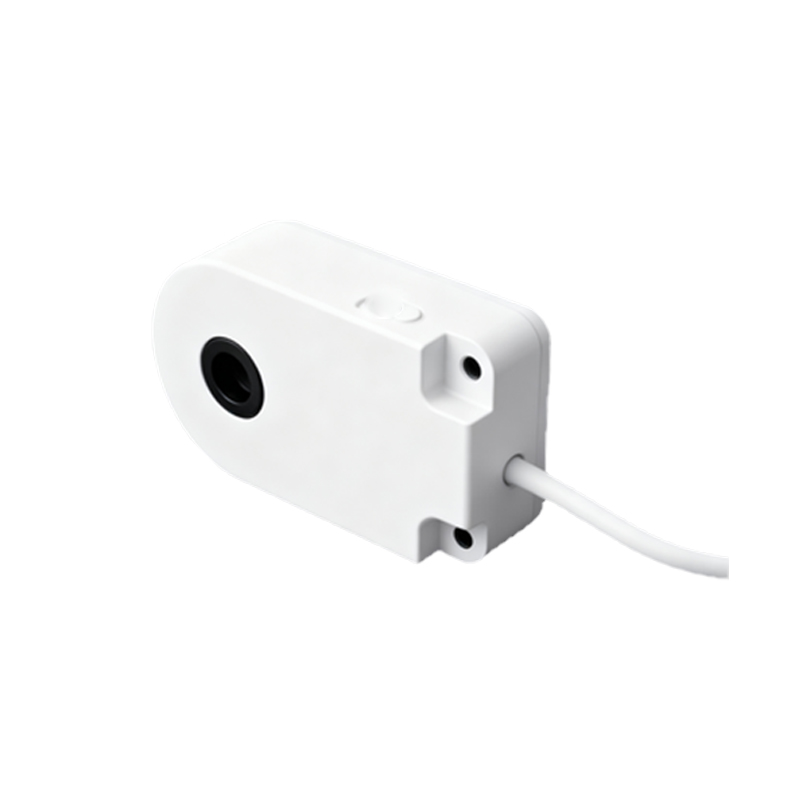
In automated machinery and robotics, Adjustable Mounting systems are frequently used. These involve mounting the sensor on a sliding bracket, a hinged arm, or within a slot that allows for positional fine-tuning after initial installation. This method provides invaluable flexibility for prototyping, compensating for mechanical tolerances in assemblies, or adapting to process changes. Locking mechanisms are crucial to prevent the sensor from shifting due to machine vibration once the optimal position is found. While adjustable mounts add complexity and cost, they save significant time during commissioning and maintenance.
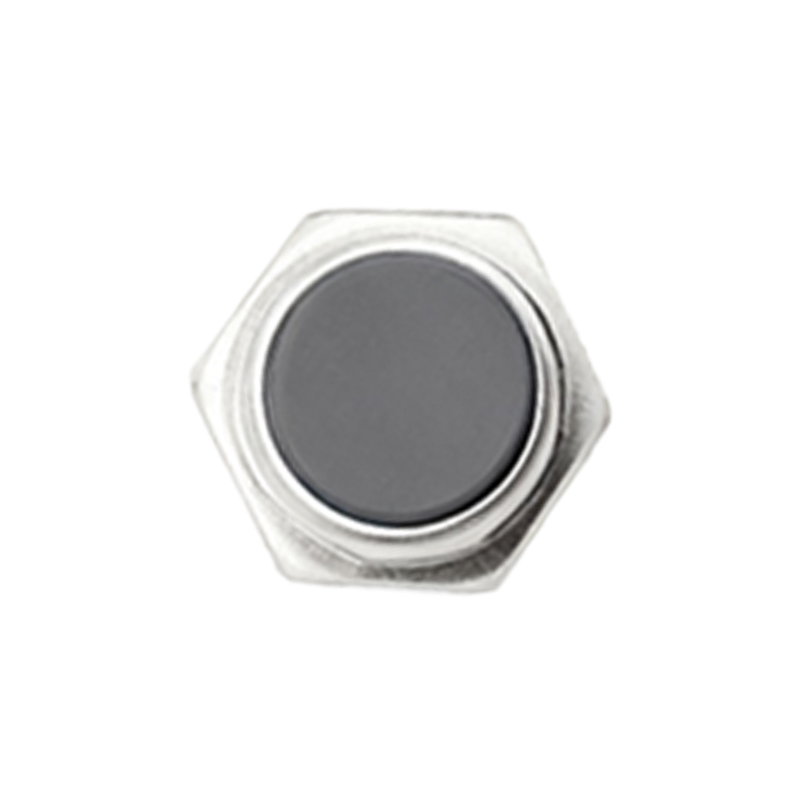
For sensing in hazardous or inaccessible areas, Remote Sensing Head Mounting offers a solution. In this setup, the sensor's electronics (amplifier) are housed in a protected control cabinet, while only the compact sensing head is installed in the challenging environment, connected via a cable. This protects the sensitive electronics from extreme temperatures, moisture, chemicals, or intense vibration. The separation distance between the sensing head and the amplifier is limited by the cable type and the sensor technology, a specification that must be strictly adhered to. This method is common in food processing, chemical plants, and foundries.
Finally, the choice of mounting hardware itself is a sub-category of installation. Threaded Cylinder Mounting (e.g., M8, M12, M18, M30 threads) is the industry standard, allowing sensors to be screwed directly into tapped holes. Bracket Mounting involves using custom or standardized L-shaped or U-shaped brackets to hold the sensor body, which is then clamped in place. Brackets are essential for sensors without threaded barrels or for creating complex mounting angles. Proper selection of brackets and fasteners is vital to resist loosening under constant vibration.
In conclusion, there is no universal "best" installation method. The selection depends on a systematic evaluation of the application requirements: required sensing distance, available space, material of the target and surrounding structures, environmental conditions (IP rating needs), potential for electrical noise, and maintenance accessibility. A flush-mounted inductive sensor in a metal lathe for tool positioning and a non-flush mounted ultrasonic sensor on a plastic bottle conveyor represent two entirely different, yet equally correct, engineering solutions based on these principles. Always consult the