In the realm of industrial automation and smart facility management, the integration of proximity sensors onto aluminum profile door systems represents a critical enhancement for safety, efficiency, and process control. Aluminum profiles, prized for their lightweight durability, modularity, and excellent conductivity, form the backbone of countless machine frames, safety enclosures, and automated guided vehicle (AGV) pathways. Installing proximity sensors on doors constructed from these profiles requires careful consideration of electrical characteristics, mechanical mounting, and environmental factors to ensure reliable, long-term operation.
The primary function of a proximity sensor in this context is to detect the open or closed state of a door without physical contact. This non-contact detection is vital for preventing mechanical wear, enabling high-speed operation, and providing critical input to programmable logic controllers (PLCs) or safety circuits. Common sensor types for this application include inductive sensors, which detect metallic targets (like the door or a dedicated actuator), and capacitive sensors, which can detect non-metallic materials. For aluminum doors, inductive sensors are typically the preferred choice due to their immunity to surface contaminants like dust or moisture and their precise detection of the metal door itself.
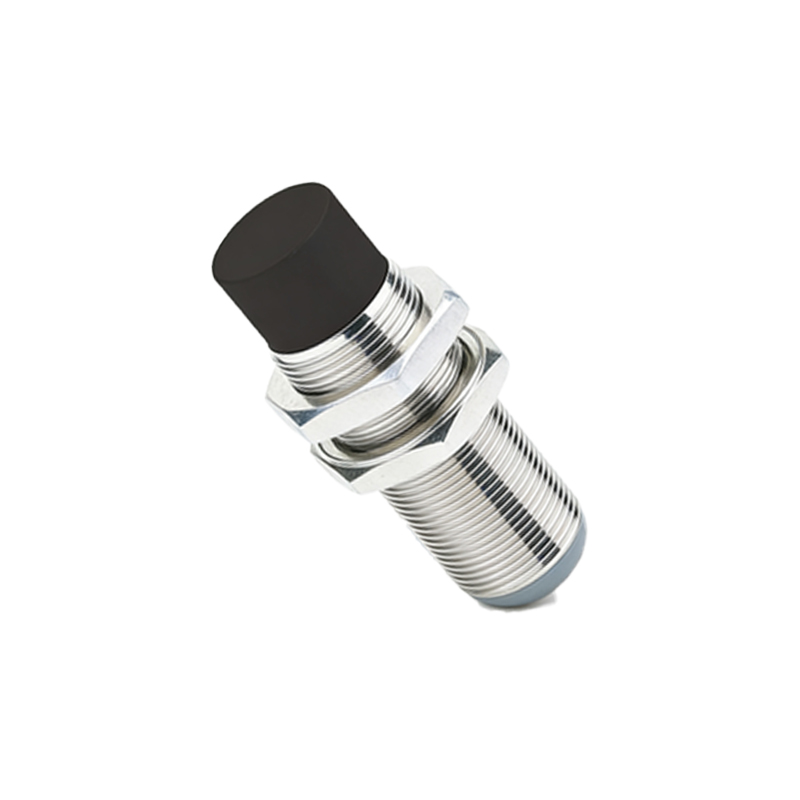
However, a key technical challenge arises from aluminum's properties. While inductive sensors excel with ferrous metals like steel, aluminum is a non-ferrous metal with lower electrical conductivity. This reduces the effective sensing range. Therefore, selecting a sensor specifically rated for non-ferrous metals or one with a factor-1 (standard sensing distance for steel) that is derated appropriately is crucial. Manufacturers provide derating curves; for aluminum, the effective sensing distance can be reduced to approximately 40-60% of the rated distance for steel. Always consult the sensor datasheet.
Mounting the sensor demands precision. The sensor is typically housed in a bracket that clamps onto the aluminum profile, often using standard T-slot nuts and bolts for a secure and adjustable fit. The sensing face must be aligned parallel to the target surface—usually the edge or a dedicated metal flag on the moving door—with a gap within the derated sensing distance. Vibration and door misalignment over time can affect this gap, so periodic maintenance checks are recommended. For through-beam sensors, where an emitter and receiver are mounted on opposite sides of the door frame, precise optical alignment is paramount, and the profiles must allow for a clear line of sight.
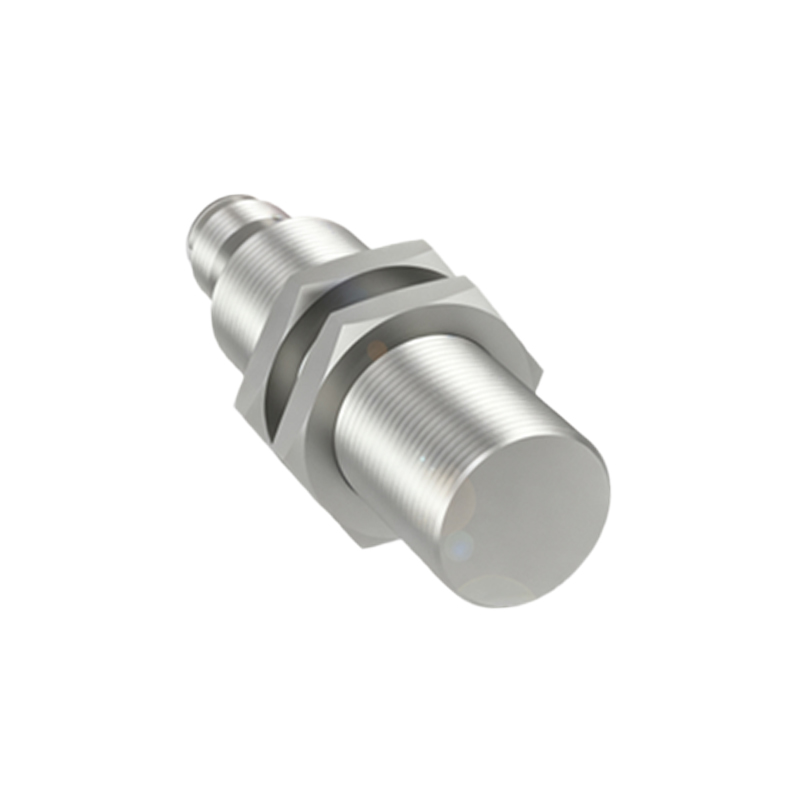
Wiring is the next critical phase. Most industrial proximity sensors operate on 10-30V DC or 20-250V AC. The aluminum profile structure, being conductive, must be properly grounded to prevent electrical interference or short circuits. Cables should be routed through cable carriers or secured with cable ties to strain relief clamps mounted on the profiles, protecting them from snagging or abrasion as the door operates. For networked systems, IO-Link sensors offer advanced diagnostics, such as reporting switch point drift or contamination warnings, adding a layer of predictive maintenance.
Environmental considerations cannot be overstated. In washdown areas or environments with metal chips, choosing a sensor with a high IP (Ingress Protection) rating, such as IP67 or IP69K, is essential. The anodized surface of most aluminum profiles offers some protection, but the sensor itself must be sealed against these conditions. Additionally, in applications with strong electromagnetic interference (EMI) from nearby motors or welders, shielded cables and proper grounding of both the sensor and the aluminum frame are mandatory to prevent false triggering.
Finally, integration into the control system completes the installation. The sensor's output (typically PNP or NPN for DC sensors) is connected to a digital input module on the PLC. The logic is then programmed—for instance, to prevent a machine cycle if the door is open (safety interlock), to count door cycles for maintenance, or to trigger a conveyor only when an access door is confirmed closed. For safety-rated applications (e.g., guarding), the sensor must be of a safety integrity level (SIL or PL) appropriate for the risk assessment and may be wired into a safety relay rather than a standard PLC.
In conclusion, successfully installing a proximity sensor on an aluminum profile door hinges on sensor selection tailored for non-ferrous metals, precise mechanical mounting leveraging the modularity of the profile system, robust wiring and grounding practices, and thoughtful integration for the intended control function. When executed correctly, this upgrade transforms a simple mechanical door into an intelligent, reliable node within a larger automated system, enhancing both operational throughput and personnel safety.