In the realm of industrial automation and control systems, proximity switch sensors play a pivotal role in enabling non-contact detection of objects, ensuring precision, reliability, and efficiency in various applications. High-definition images of these sensors are not merely visual aids; they serve as critical tools for engineers, technicians, and procurement specialists to assess design features, identify models, and troubleshoot issues. This article delves into the importance of high-quality imagery for proximity sensors, exploring key aspects such as construction details, mounting configurations, and environmental considerations, all while adhering to industry standards and practices.
Proximity switch sensors, including inductive, capacitive, and magnetic types, are designed to detect the presence or absence of metallic or non-metallic objects without physical contact. High-definition images provide a clear view of their external housing, typically made from materials like stainless steel, nickel-plated brass, or rugged plastics, which offer resistance to harsh industrial environments. For instance, in an inductive proximity sensor image, one can observe the sensing face, often marked with specifications like sensing range and voltage ratings, along with LED indicators for status monitoring. These visuals help in verifying the sensor's IP (Ingress Protection) rating, crucial for applications exposed to dust, moisture, or chemicals, such as in manufacturing plants or automotive assembly lines.
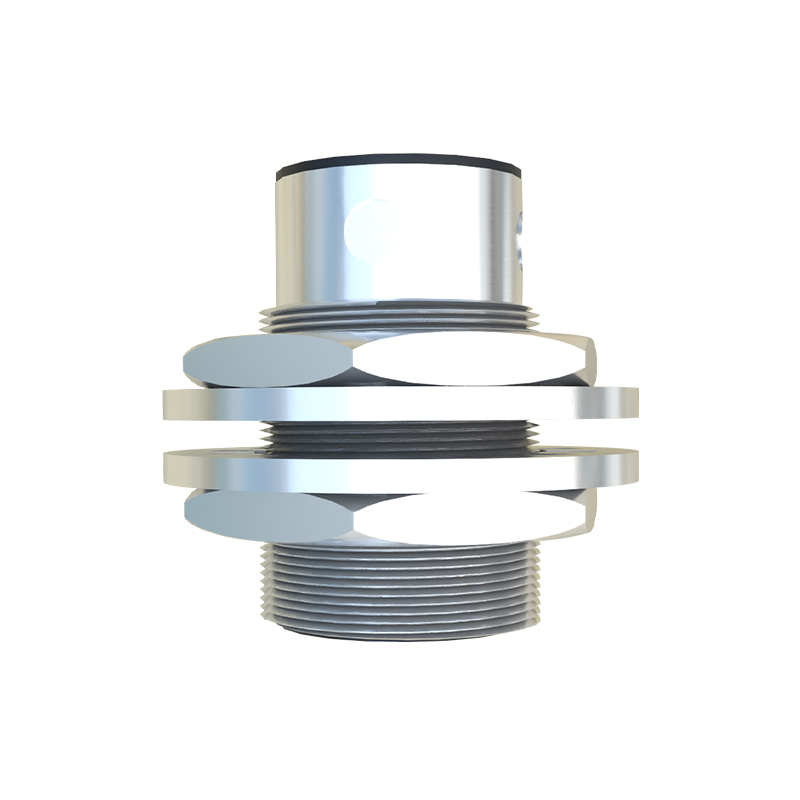
When examining high-definition pictures, attention to detail is paramount. The connector types, such as M8 or M12 threaded connectors, are clearly visible, aiding in compatibility checks with existing wiring systems. Additionally, images showcasing the sensor's mounting options—like flush, non-flush, or adjustable brackets—allow engineers to plan installations in confined spaces or on moving machinery. For example, a capacitive proximity sensor image might highlight its adjustable sensitivity knob, enabling fine-tuning for detecting liquids or granular materials through container walls. Such visuals are invaluable for training purposes, helping new technicians recognize sensor variants and their operational nuances.
Beyond physical attributes, high-definition imagery supports technical documentation and quality assurance. In procurement processes, detailed photos reduce the risk of ordering incorrect models by displaying part numbers, certification marks (e.g., CE, UL), and output configurations (PNP vs. NPN). For maintenance teams, images depicting wear patterns or damage, such as cracked housings or corroded connectors, facilitate quick diagnostics and replacement decisions. Moreover, in design phases, engineers rely on precise images to integrate sensors into CAD models, ensuring proper clearance and alignment in automated systems like conveyor belts or robotic arms.
The demand for high-resolution sensor images has grown with digitalization trends, including IoT (Internet of Things) and Industry 4.0 initiatives. Online catalogs and e-commerce platforms use these images to enhance user experience, allowing customers to zoom in on features like sensing ranges (e.g., 2mm to 40mm) or output signals (digital or analog). For educational resources, annotated images explain internal components, such as oscillating circuits in inductive sensors or dielectric materials in capacitive ones, bridging the gap between theory and practice.
In conclusion, high-definition images of proximity switch sensors are indispensable in today's industrial landscape. They empower professionals to make informed decisions, from selection and installation to maintenance and optimization. As technology advances, leveraging clear, accurate visuals will continue to drive efficiency and innovation in automation projects worldwide. Always refer to manufacturer datasheets and guidelines alongside images to ensure optimal performance and safety in your applications.