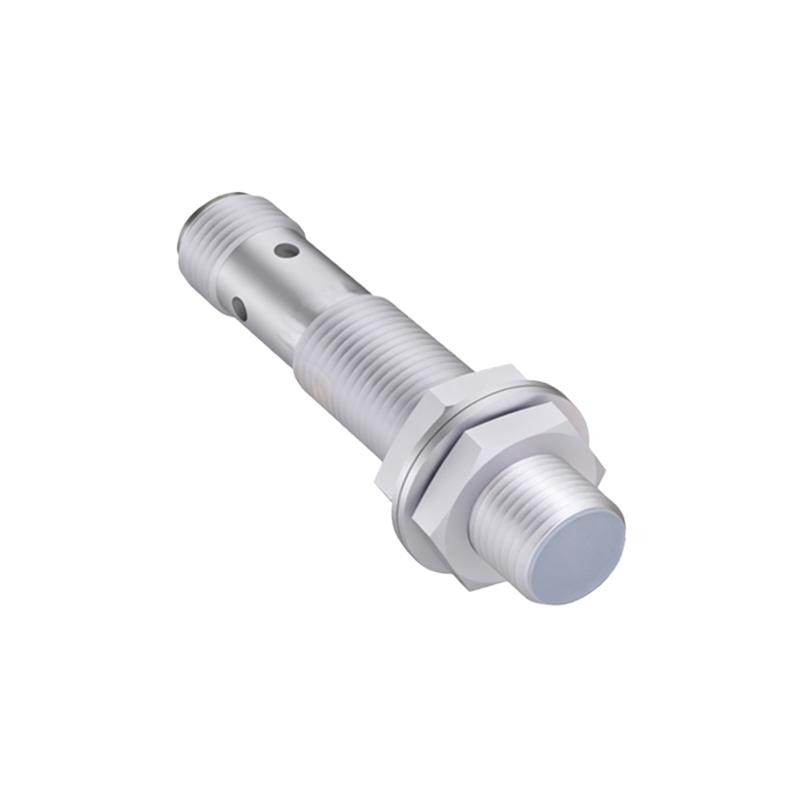
Embedded reed proximity sensors represent a critical advancement in the field of industrial automation and electrical engineering, offering unparalleled precision and reliability in detecting the presence or absence of objects without physical contact. These sensors utilize the fundamental principles of reed switch technology, where two ferromagnetic reeds sealed within a glass tube are magnetically actuated to make or break an electrical circuit. When integrated into embedded systems, they provide a robust solution for position sensing, limit switching, and safety interlocking across diverse applications, from automotive assemblies to smart home devices and medical equipment.
The operational mechanism of an embedded reed proximity sensor is elegantly simple yet highly effective. A permanent magnet or electromagnet is typically mounted on the moving target, while the reed sensor is embedded in a stationary component. As the target approaches within a predefined range—often a few millimeters to several centimeters—the magnetic field causes the reeds to flex and contact each other, closing the circuit and generating a signal. This contactless operation eliminates mechanical wear, ensuring a long operational life exceeding millions of cycles, even in harsh environments with dust, moisture, or temperature fluctuations. Engineers favor these sensors for their low power consumption, fast response times (often in microseconds), and inherent galvanic isolation, which prevents electrical noise interference in sensitive control systems.
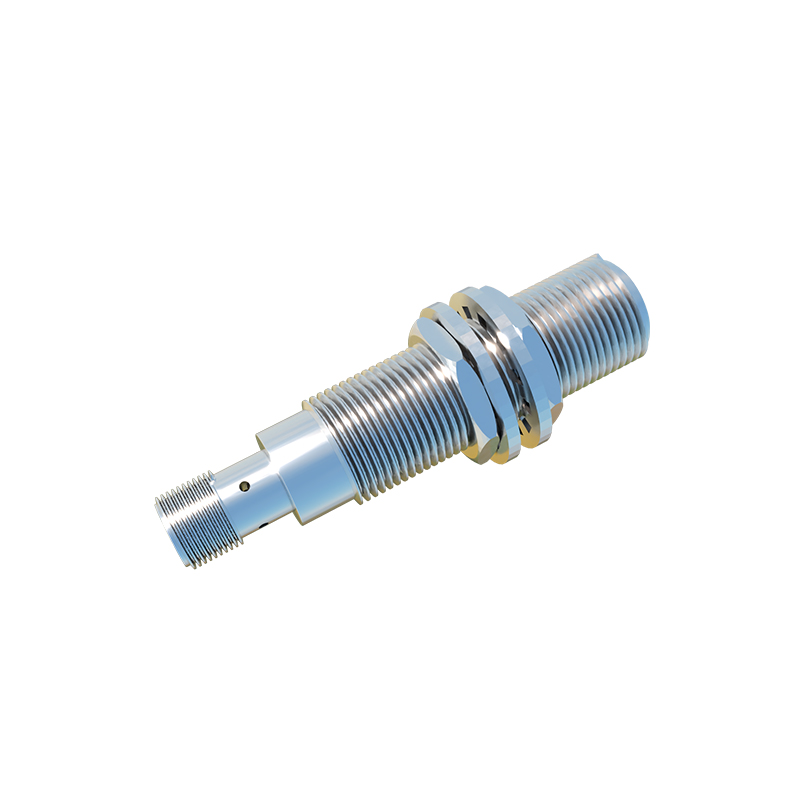
In modern electrical designs, embedded reed sensors are frequently paired with microcontrollers or programmable logic controllers (PLCs) to enable sophisticated automation. For instance, in conveyor belt systems, they can detect product positions to trigger sorting mechanisms, while in elevator doors, they ensure safe closure by verifying no obstructions are present. The embedded nature allows for seamless integration into compact spaces, with surface-mount or through-hole configurations available to suit printed circuit board (PCB) layouts. Additionally, advancements in materials science have led to the development of high-temperature reed switches capable of withstanding up to 200°C, expanding their use in automotive engine compartments or industrial ovens.
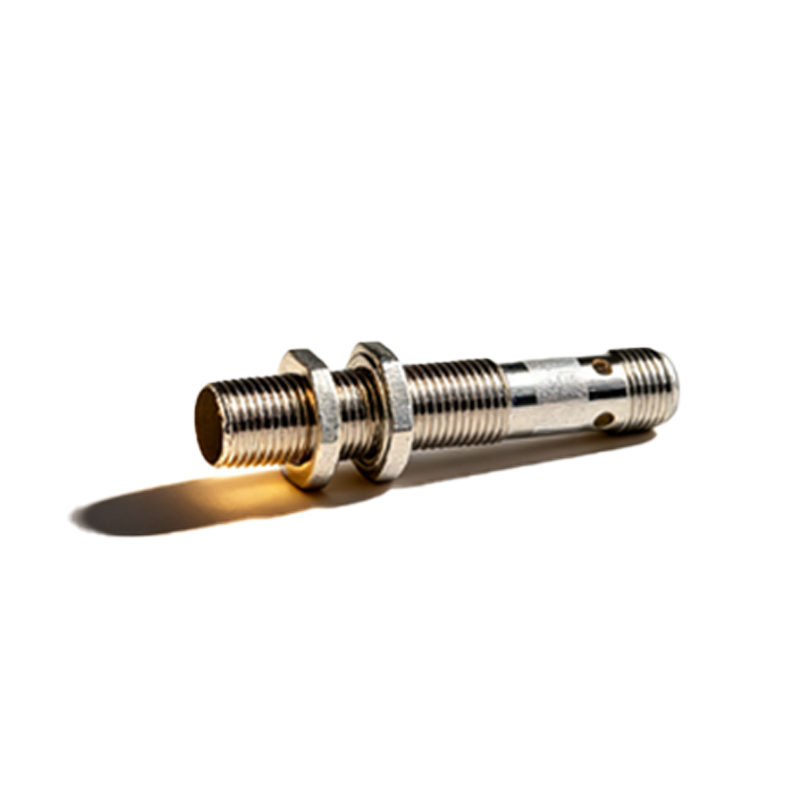
Despite the rise of solid-state alternatives like Hall effect sensors, reed-based proximity sensors maintain a competitive edge due to their zero-power operation in passive states and lower cost for simple on/off detection. They require minimal external circuitry, often just a pull-up resistor, making them ideal for battery-powered IoT devices. However, designers must consider limitations such as limited sensing ranges compared to inductive or capacitive sensors and potential susceptibility to strong external magnetic fields. Proper shielding and calibration are essential to mitigate false triggers.
Looking ahead, innovations in embedded reed technology focus on enhancing sensitivity and miniaturization. New alloys and coating techniques improve corrosion resistance, while 3D printing enables custom housings for niche applications. As Industry 4.0 and smart manufacturing evolve, these sensors will continue to play a vital role in providing reliable, low-maintenance sensing solutions. Their simplicity, durability, and cost-effectiveness ensure they remain a cornerstone in electrical engineering, bridging traditional electromechanical principles with modern digital control systems. For engineers seeking dependable proximity detection, embedded reed sensors offer a time-tested yet evolving tool that balances performance with practicality.